The Strategic Independent: Tom Critchlow on Blending Consulting, Courses, and Creativity
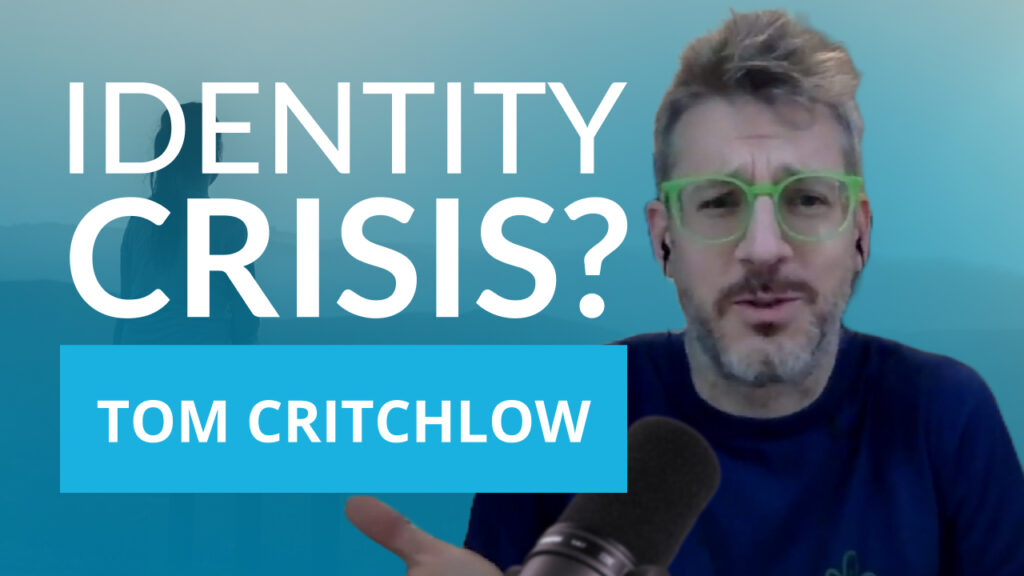
In this episode, I reconnected with Tom Critchlow, an independent consultant, marking his second appearance on our show. Tom discussed his nine-year journey in indie consulting, emphasizing the transition from consulting as his sole income to exploring new ventures like course creation and book writing. He shared the challenges of balancing these diverse interests, especially when self-direction replaces client demands. We delved into the nuances of working independently, like maintaining motivation and managing time effectively, especially with added responsibilities like family. Tom’s struggle with finalizing his book project, reflecting on the importance of strategic avoidance, and finding inspiration in everyday life were key points of our conversation. It was a deep dive into the realities of an independent career path and the continuous search for personal and professional satisfaction.
- 00:00 – Intro
- 00:38 – Guest introduction
- 03:03 – Tom’s problem — indecisiveness
- 07:21 – What does Tom think he should be doing?
- 09:51 – Not working, go and wonder, owning your time
- 14:21 – Every 7th week off, shaking things up
- 17:50 – Writing as a way to achieve coherence
- 18:33 – Strategically dropping the ball
- 23:50 – Should Tom hire an editor?
- 25:47 – The fear of finishing the book
- 31:11 – When is it good enough?
- 33:55 – Paul’s new book
- 34:51 – The last 10% is the hardest
- 37:25 – Paul on writing the introduction to his book
- 38:29 – Writing an introduction to Tom’s book, injecting it with a more personal story
- 41:59 – Preselling his book as a motivation?
- 43:34 – How Paul was pushing Tom to write his book
- 45:23 – Closing remarks
- 48:48 – Outro
Themes Discussed:
- Independent Consulting: Tom’s experience and insights into building a sustainable independent consulting practice.
- Balancing Identities: The challenges of juggling roles as a consultant, course creator, and writer.
- Creative Process: Insights into Tom’s approach to writing and developing his SEO MBA course.
- Time Management: Strategies for managing time and focus when working on multiple projects.
Impactful Quotes
Tom on Career Evolution:
“I’ve been on this indie path for nearly a decade, juggling consulting, course creation, and now book writing. It’s been a journey of constant evolution and self-discovery.”
Tom on Strategic Independence:
“Aligning my identity with being a consultant was enlightening. It brought clarity and a sense of purpose to my professional life.”
Tom on Creative Challenges:
“The transition from consulting to creating courses and writing a book has fragmented my identity. It’s a new kind of struggle, finding where I fit between these roles.”
Tom on Writing:
“Writing has been the most fulfilling part of my journey, yet it’s also where I feel most stuck. There’s a paradox in the joy of creation and the struggle of completion.”
Tom on Future Goals:
“I’m excited about the possibilities that lie ahead in both consulting and educational ventures.”
Transcript
Tom and Paul talk through Tom's challenges at this inflection point in his indie career, a book he's planning on shipping and how to think through indie consultant identity crises
Read the full transcript
Paul: Welcome to The Pathless Path. I'm Paul Millerd, and in this podcast, we examine the invisible scripts that run our lives and dare to imagine new stories for work and life. Welcome, Tom. So Tom Critchlow is joining me today. He was a guest on the podcast about 5 years ago. I think I'm actually going to replay that episode.
I haven't listened to any of my early episodes in a while, but It was probably me just trying to extract wisdom about being on these weird paths back then. I think I was just telling you right before I hit record, I stumbled upon your writing about freelance consulting and instantly I was like, well, this is interesting and weird. Uh, most of the people I had known were former strategy consultants who were basically just leveraging their own offline networks and trying to make a lot of money. Whereas it seemed like you were just trying to write for fun. And since we've gotten to know each other a lot better, I've, I'm 6 years on this path. I think you're 8 years.
Tom Critchlow: It'll be 9 in October.
Paul: Amazing. Yeah, 9 years on an indie path. You've done a ton of freelance consulting. You do a lot of work in marketing and SEO. You've also created a course and experimented with that over the past couple of years and reached out to me. You actually posted online that you wanted to talk to somebody on a podcast about what you're feeling stuck with.
So I've talked to so many people about a lot of these things. Excited to talk about these things with you, especially because I know your journey so well. So welcome to The Pathless Path for the second time.
Tom Critchlow: Yeah, thanks for having me back. Yeah, what a wild 5 years it's been. You've written your entire book, traveled the world, got married, had a kid. Yeah, it's been— what a journey.
Paul: Yeah, I'm happy to take those achievements. Those were the kind of achievements I was looking for, not promotions and salary raises. So this isn't going to be the, the normal Pathless Path sort of deep dive on the journey interview. If you want that, I'll link up to the episode we did. It's actually episode 7, which is just mind-blowing. I think this will be like 154 or 155.
Well, but yeah. Well, welcome. Welcome back. What's on your mind?
Tom Critchlow: Yeah, well, let me, let me set a little context, I guess. You know, for the last 9 years I've been working as an independent consultant and I'd say for the first 7 years or so of that journey, consulting was like 100% of my income. You know, that was like the thing. And I even wrote blog posts about it and stuff about the idea that aligning my identity to the identity of a consultant was clarifying for me. It was generative. I really appreciated like identifying in that way, doing client work.
I really enjoy doing client work. I was writing about the practice of being an independent consultant. And so that journey felt, it felt like it was quite focused. It felt like I had a kind of a mission that was like, oh, I'm doing this thing. I'm a consultant. That's my path.
And then about 2 years ago, somewhat accidentally, I started the SEO MBA, which is an online course. It's specifically teaching business skills to SEO professionals, pretty similar to the strategy course that you have actually. but for a very specific kind of audience. And since that moment, I think ever since I kind of posted that course up, I think I've been a little bit fragmented, right? My identity is being split between like, oh, I'm a consultant, but I'm also a course creator. Those things are very, very different tempos, right?
Um, you know, the tempo of consulting is you're at the whims of client cadences. A client comes in, great, I gotta go jump on that client. I got a new gig to do. I've got an invoice to send, whatever. That cadence is quite fast. It's very stimulating, right?
New clients coming in, new businesses, new industries, new challenges. So it's quite stimulating in that sense. And a lot of it is directed by clients, right? Clients are like telling you what to do. They're asking for things and so on. When you run your own course, no one's telling me to do anything.
I'm just sat here being like, it's entirely self-directed, right? It's entirely like, what do I want to do today? What do I want to do this year? I have some vague ideas of like, should I do a new course? Right? I've got 2 courses right now under the SEO MBA brand.
I could do a 3rd course, right? I could work on the email automation flows, right? I could write some more newsletters. There's always stuff to be doing. But no one's telling me what of that stuff to do, right? I don't, you know, it's, this is like the classic kind of entrepreneur problem, I guess, right?
Like founder is like, no one tells you what to do. There's a million things you could be doing. And then, then I have my book. Right. So last time we spoke on the podcast, I was writing blog posts. That blog post journey of writing about independent consulting has become a book project, which I'd say I'm 90% finished with.
Like I have, you know, 50, 60,000 words already written and it's just about kind of like hammering that into a kind of final version. And so I find myself at this moment now where I'm like, okay, I have this idea of what to do with the SEO MBA. I have this kind of plans of how I want to evolve that. I have the book that I want to write and I have some consulting work that I'm doing and I just find myself kind of paralyzed almost. Like I sit down, like the kind of daily lived experience right now for me is sitting down and being like, I don't really know what I should be doing. I don't really know what I should be working on.
Now this is kind of a new feeling for me. I feel like I've been stuck at various times in my career, but this particular kind of like indecisiveness or lack of focus. Is kind of a new thing. And that's why I put out the single flat on Twitter. I was like, hey, who can help?
Paul: Yeah, it's such an interesting thing. I think I relate to a lot of this. I often find that when I'm doing consulting type work, I don't have the energy for the other work, right? It's this sort of different clock speed of types of work, right? You're sort of reacting to extrinsic pressure versus trying to conjure up intrinsic motivation, which for me often requires like non-work, like non-work to work. Like the best strategy I have for writing my book, for example, was taking every 7th week off and not writing the book or like going for a bike ride when I was stuck.
So yeah, I think that's normal. What you're experiencing. I'm wondering how you think, like, what do you think you should be doing?
Tom Critchlow: I mean, I think that like many independent consultants right now, client work is a little slow. I think that the economic climate and so on has dried up some work for a lot of the folks that do the kind of work that I'm doing. So I have some consulting work, but not a lot right now. And so I've been trying to throw myself into the new kind of next iteration of the SEO MBA that requires some website building and some course creation work and so on. Kind of, I would say, kind of somewhat deep work, but very like solitary, you know, solo player work. And the book writing project, those two projects feel like great things to be doing while client work is slow.
The book project in particular is, I just have this like hanging, I mean, yourself included, Paul, Like people are just hounding me to like get the book out. And so I feel like a real sense of pressure to be like, I really got to get the book done and finished. But at the same time, writing, rewriting, editing, polishing is not necessarily my strength. So I think that there's a grinding of the gears there between what I think I should be doing versus like what I'll naturally spend my time on. Right. And I think that, you know, what I realized as I've been reflecting on this, this feeling for a few days, what I've realized, I think, is that I really enjoy being intellectually stimulated, like moment to moment, day to day.
I really enjoy like tackling kind of interesting ideas and novel problems. It's also why I get my dopamine fix from Twitter is because it's kind of a never-ending stream of interesting things. And consulting delivers that. Often, very often, right? It's like, oh yeah, I'm dropping into a brand new situation, a brand new client, a brand new industry. I've got to try and get up to speed fast.
It's something that I can intellectually be curious and satisfied in. And sitting down to write my book feels much less intellectually satisfying moment to moment in that sense, or stimulating in that sense, moment to moment. Like the big project I think is satisfying and stimulating. The day-to-day mundaneness of like, you know, rewriting a bunch of stuff that I've already written to get it into a shape to publish is, yeah, it's harder for me to stay motivated on kind of moment to moment.
Paul: I have this thing I've been saying to people, which is, have you tried not working on the problem? Like, when's the last time you just sort of when you didn't do anything?
Tom Critchlow: I mean, that's a slightly difficult question. You know, I've got two kids, so there's almost no moments when I don't do anything. But yeah, I mean, you know, I take, you know, me and my wife go like rock climbing a couple days a week while the kids are at school, which is kind of fun. By the way, it's like an excellent way to find other people on The Pathless Path. There's like midday rock climbing during the week. You're going to find a bunch of weirdos who have figured out how to live that life.
So yeah, I do some of that.
Paul: That is a cheat code. Go to the gym in the middle of the day and you'll inevitably meet the other people on weird paths.
Tom Critchlow: Right, right.
Paul: Yeah. So I would go deeper there. I mean, that sounds like a planned activity you do. When's the last time you just went out for a walk and wandered?
Tom Critchlow: Yeah, I don't remember the last time I did that.
Paul: So this is, this is what I'd recommend. I've actually had something small and silly like this open up stuff for people is block out. So there are different ways to do this, block out, um, 2 hours on your calendar during a workday when you should be working and just go wander and start taking random turns. The other thing you can do, the alternative to this, is find something from childhood and do that during the middle of the day in the afternoon. I've done that. I do this sometimes when I will just go play basketball in the middle of the day, and that's just something I used to go out and do for fun as a kid.
And it's sort of a way of just like reconnecting with that almost source energy that I think is necessary to drive things like book projects because I think doing things like a book are fundamentally crazy. They're opposed to the natural flow of how people do stuff in today's world, right? In the corporate world, you need a plan and a strategy and you need to execute. Writing a book, you're sort of just saying, well, maybe it will work. I don't actually know what will happen. But yeah, how does it feel when I suggest something like that?
Those two things.
Tom Critchlow: Yeah, you know, I think I used to give myself much more permission for those things. Back when I was only doing consulting work, it was more obvious that when consulting leads dried up or work got a little bit quiet, the obvious thing to do was to like spend my free time doing something I enjoyed. It was like, Oh, I'm obviously going to go for a bike ride during the day, or I'm going to go for a walk or whatever. Right. Because I could kind of trust the process. I knew client work was going to come.
I knew that I was going to be busy at times. And so when the client work was slow, I was like, great, this is why I do what I do. As you saw, I can go bike riding on a Tuesday afternoon, right? Whatever it is. And I think two things have changed, right? I think having kids changes relationships time a little bit because now instead of, you know, I more rarely have long stretches of uninterrupted time.
And I have like a hard stop every day, right? It's like 5 PM. It's like, I'm going to stop working, right? Because it's like getting the dinner ready for the kids or bath time, spending time with them, playing with them, whatever. So like 5 PM every day is kind of like a hard stop. And then the second component is now I have like a course to make and a book to write.
Like, you know, like screwing off to go bike riding in the middle of the afternoon is like shirking those. There's a sense that if I do that stuff, that stuff is never going to happen. I'm never going to get to those big projects. Like, how am I going to make progress on them if I'm shirking off, right? And so I think that there's something interesting about that shift of perspective on time when I felt like my time was completely my own in between consulting projects. And now I don't feel like my time is completely my own in between consulting projects.
I feel like I should be spending it in productive ways, right? Which is ridiculous because it's all self-imposed, right? It's all self-inflicted.
Paul: Yeah.
Tom Critchlow: Yeah.
Paul: Well, I think, I think when you're doing these unstructured projects too, what I've found is that time is very arbitrary, right? How long something takes, there's no fixed amount. Right. And actually I sort of tapped into this by, I did this podcast with Sean McCabe where he was talking about taking every 7 weeks off. Now, His reason for doing it was he was working 7 days a week, 100+ hours. He was just working too much.
But in the convo with him, I was like, well, I'm working like too little. I think I was stuck. So I imposed the every 7th week off thing. And I think you were part of the emails I was sending. So I would send out a— I would take 6 weeks to work. Take the 7th week off, no notes, just wandering, no active forward progress.
I wouldn't even make plans with friends. I would say you can text me on the day and if I'm around, I'll meet up or jump on a call with you. And then that following Monday when the new 6-week work block would start, I would send out a letter to my friends and say, here are the goals for the week. And I actually accomplished way more doing that for about a year and a half than I had at any moment previously. And I, I don't think it was the every 7th week off. I think it was just creating change in, in the rhythm.
Right. And I think like, I think in our past we need to almost make like stupid choices just to shake things up, create randomness to create information such that we become more aware of things. Because I think, I mean, almost 9 years is a really long time on this kind of path. Yeah, it's your normal, right?
Tom Critchlow: Yeah. I think there's, you know, one of, one of the things that has been one of my go-to tactics when I get stuck like this, and I've used this many times over the last 9 years, It's what I call kind of flailing around, which is that when I get stuck, I just increase my activation energy, right? I'll join like a random Discord group or I'll buy somebody else's course or I'll like, you know, go to like a meetup or whatever, right? Like I'll meet random people for coffee. I'll send a DM to somebody that I respect. Like I'll just kind of increase my, my kind of molecules of energy to be like something is going to emerge out of the universe if I just keep doing stuff.
And what's been interesting, I think, over the last couple months as I've been increasingly stuck is a lot of that hasn't worked like it normally does. And so I think I like the idea of fundamentally changing the cadence, right? It doesn't have to be forever, but like the idea of like a more formalized working cadence, I think I've always had a hard time planning that because of the consulting load, right? You like, clients don't really care if you're taking a week off every 7 weeks, right? They're more likely to be like, hey, I need, I need a meeting, or yeah, that's the only time something can work. But as consulting work is a lighter load right now, I could easily see that working.
I'm curious how much you think the accountability aspect of that is a key driver. Like how much of that is the 6 weeks, 6 weeks on, 1 week off, and how much of it is I, you know, just that simple act of setting an intention, emailing it out to people.
Paul: Yeah. It didn't even matter if there were people I could have sent that to. I could have sent that to a junk mailbox. I think just turning it into writing, writing for me, I think like you is a way to turn ambiguous thoughts into coherent ideas. So that was powerful. I've since stopped doing it.
I found I didn't need it. And I'll probably need new tactics in the future. Right. But my go-to tactic is often working less, which is not a common strategy. I hope. But I've found it works over and over again.
Tom Critchlow: Yeah, I think there's definitely a feeling that the paralysis comes from wrestling with a thing which it's almost like an immovable object. Like it's like you're wrestling with things that just isn't budging. And so you can keep wrestling with it forever. Like I can keep showing up every morning and sitting down at my computer, but if I'm not going anywhere, then that doesn't help. Right. You've got to, you've got to, you've got to try a different way of tackling that, of wrestling with that same idea, um, or abandoning the idea.
I mean, that's, this is the other thing. And I think this is something that you and I both share, Paul, is, you know, like you have your Strategy U course and I have my SEO MBA course. And I think both of us, I hope you don't mind me saying this, could be doing a lot more with them. Like, I think, I think both of us—
Paul: I talk about this all the time.
Tom Critchlow: Yeah, like we both have kind of—
Paul: I strategically drop the ball.
Tom Critchlow: Yeah, I love that phrase. Strategically dropping the ball. I mean, I think that is like literally the deciding to be at peace with not doing the most.
Paul: Yeah.
Tom Critchlow: Right?
Paul: Doing your best.
Tom Critchlow: Yeah, like not maximizing revenue, not doing all the things I could be doing. Not optimizing every surface area for it. But in return, not feeling really stressed out about it, not having a really complicated thing, not being beholden to lots of structures and rhythms and cadences. So I think both of us have done a pretty good job of that. Yeah, it's, and then it's about turning, you know, when you decide that a project is worth doing. Yeah, I guess the tension for me is like, I'm quite good at strategic avoidance.
Of things. But there are certain moments where I'm like, oh, actually, this is a project that I really do want to invest my time and energy in. How do I trick myself into, for want of a better term, like sprinting on that or like, you know, doing a bunch of deep work on that thing to really feel like I'm making progress? Because it is a thing that I, like the book project is a great example. Like I really, I really want this book out in the world. Like, and I have loved writing it and the feedback from people has been amazing.
And I can still sit at my computer and not really make any progress at it. And that feels super frustrating, right? To like have this conflict of like a thing that I really want to achieve, that I feel really is also like creative and generative and so on. And then just to feel like I'm not making progress on it. Yeah.
Paul: So a couple of things. I think one is I've thought about decisions in a different way. I think a lot of times we think about like do or don't do, and there's actually a hidden third option of decide to wait and see, like explicitly being like, okay, I'm not gonna work on SEO MBA until October. Right. And deciding that such that it like sort of actually makes that a commitment and The other thing is, I think from moving around, my environment changes enough that like I've had to work in seasons sometimes. Like I just feel totally different in different environments.
So I've like, I keep having these like 1 or 2 month sprints. I've, it's happened to me 6 or 7 times in 6 years and I sort of know like that's how I get. Big leaps done, right?
Tom Critchlow: Um, are they, are they intentional kind of moments where you're like, I'm going to decide to do that, or they just emerge naturally out of like, oh, I just, I found myself throwing myself into it for, for a while?
Paul: They're both— I've gotten better at bringing them to the surface from like doing the every 7th week off stuff. Um, and last year me and my wife took a basically 2-week road trip, um, on the West Coast of the US, and then we went to Connecticut and stayed at my parents', and there's just less to do there. So I, I knew I needed to rebuild my Strategy U course, and I knew it was important because I found out my wife was pregnant. I was like, I need to take this serious. I use that as like a fake excuse to drive that. Also, the setting was right.
There wasn't much to do. And I was like, all right, this is all I am going to do. I also had a client that like hired me to do it. So I was like, I'm gonna use the client's, I sold a project that helped me take action. Like I was gonna use the client's headlines to like redo the entire course as I was going. And that took a lot of energy, but it was the sole focus.
And I strategically dropped the ball on everything else because I knew if I took that to the next level, I'd be happier with it. And then I could like, focus on the book again and promoting it. But I actively decided not to focus on promoting the book. I had already declared the book a success by last summer and it was like, all right, it's just going to decline to zero now. I was right. I was wrong about that.
But yeah, yeah, thankfully clearing that out. And then the third thing I would say is like, it sounds like you hate editing. Well, like, why don't you just hire an editor?
Tom Critchlow: Learn. Yeah. I mean, I think, I think that, that is actually the one I'm trying to do. Like I'm trying to get the writing, like I think it's in like pre-editing phase basically. Like it's, it's, I basically have ready. Yes.
Yeah. Yeah. You think?
Paul: Yeah. Your writing is so good.
Tom Critchlow: Well, I appreciate that. Um, yeah, maybe, maybe I'm overthinking it.
Paul: Maybe it's also like, I think with an editor, don't look at an editor as like you're going to throw it over the wall. They're going to send it back to you finished. You can find somebody that will collaborate with you, right? I found a great editor. Maybe she'll be a good fit with you where she sort of saw my vision. She would put comments in, I would work on it.
I would like tag her in the Google Docs. She would go back and forth. It was a very collaborative and generative process. And it helped me in those final 3 months of launching the book. Also, spending money is a nice like, oh, I'm taking action now.
Tom Critchlow: Yeah, yeah. That client that you had that drove the Strategy U sprint is a really great frame of like, you know, I think the client—
Paul: the presale, right?
Tom Critchlow: Like a forcing function, right? Like we can, we can manufacture this. Yeah, yeah.
Paul: I would, I would say somebody that's watched you like I think your writing is better than my writing.
Tom Critchlow: Well, I certainly wouldn't say that, but I appreciate it.
Paul: It's different, right? But it's so good. Like, the world deserves it in book form. And I don't know, I sense the book is the big thing. And maybe you're sensing that that's going to change you or something, or it's going to lead to this new chapter. I do think there is like a mourning period of our past identities, and that actually just takes time.
And maybe, maybe that brings up something for you. I don't know.
Tom Critchlow: I think, I mean, I think there is, I think the big, the big, uh, kind of under the surface emotion is that writing this book has been like the happiest period of my life. Like, and like, I can't attribute all of that to writing the book, but like The last 5 or 6 years of my life have been incredibly generative, like working for myself, having 2 kids, like just, you know, deepening my sense of like individual agency, creative expression. And it's also been like writing the book specifically has been a way for me to basically really enjoy doing consulting. Like the, you know, every consulting client I have, I'm putting through the lens of You know, what am I going to learn about the practice of consulting that I can then distill into my book? Right?
So like, I think that there is, there is definitely a, there's a hidden agenda under the surface, which is when I'm done with the book, then what? Like, am I no longer like, am I no longer going to like consulting? Like, am I like, like what? There's a kind of that fear, I think, of, of, you know, I've enjoyed the process of writing the book so much that the act of finishing the book is is closing that chapter, right? To, in some way, shape, or form, right? And like, I'm sure there's, yeah, I'm hopeful.
And, um, you know, you've been an incredible role model in this of like showing the amount of like serendipity and like opening of doors that happens after the book is published, right? Like, I think there's a ton of things that can creatively be unlocked by having the book out in the world. And I know that intellectually, but I think there is also a deep feeling inside of like, Maybe I could just keep writing the book forever. You know what I mean? Like maybe I could just stay in this phase forever. And I actually think that, um, yeah, yeah, totally.
Maybe this is just a 4,000-word book. I don't know. Like it's, um, uh, maybe I should just call it part one. Maybe, maybe that's the trick I need in my head is just call it part one and then, you know, give myself the freedom to keep writing.
Paul: What do you, what are you afraid of? Like what?
Tom Critchlow: I mean, I don't know specifically. I just think when you, when you talk about that, like mourning of identity, right? Of like shedding, shedding of skin. I feel like that's the, I think because right, you know, as I write, as I've been writing these things, I've been publishing them on our website. So it, it's never really been writing in service of the goal being the book, right? The goal is really in many ways, simply a form factor.
It's like a container for the writing.
Paul: Is there a counterexample that you might actually start writing more after the book?
Tom Critchlow: I hope so. Yeah. I mean, that would be the aspiration. I don't think I'm going to stop writing, but I think that there is a little bit of just failure, like, on fear of the unknown, I guess, right? Of like, you know, well, what should I write about afterwards? Right?
I mean, I'm sure you have a little bit of this too. Like, you know, on the surface, I think you've been incredibly jovial about like not having a clue what comes next. And I'm sure that that is great. But there must also be a little bit of a question of like, you know, I mean, you started tweeting about a new book, new book object or shape thing, but it's like, you know, that sense of like not knowing, right? And, and, um, that can be, that can be freeing, but it could also be scary, not like the not knowing, right?
Paul: Yeah, it, I'm, I sort of have this personality where that unknown excites me. Um, but I, I also think I've like, the book was just something that happened. Nothing really changed in my strategy. Like maybe, maybe my income is a little higher from writing, but like, what did I do the week after I published my book? I wrote my newsletter, right? And I keep writing it.
And then it turns out I just kept generating more ideas and That's why I might potentially write another book is because, oh, I like writing. I keep generating ideas and I want to keep writing. Writing is the ultimate act of exploring the unknown, right? So it's like, yeah, I mean, I think we both read a lot of like Venkatesh Rao's stuff. He, he kept writing. He's written several books.
Yeah.
Tom Critchlow: I'm also, I mean, Venkatesh has been an inspiration in more than ways than one, but in particular, like, you know, it's his Art of Gig series. There was a newsletter about, you know, being an indie gig worker, freelancer, consultant, et cetera. Yep.
Paul: There it is.
Tom Critchlow: And what I love about those books actually is that he basically just copy and pasted them into book format. Like he didn't actually rewrite anything. Like he was just like, well, these should be books. Great. Now they're books. And, and you like, sometimes I feel like sometimes I wonder if I should just do exactly the same thing.
Um, you know, I think also it's like with the first book, there's that kind of like your first, you're always more precious about your first book, right? Like I want my first book to have more story in it and to be more cohesive and blah, blah, blah, blah, blah. I think those stories are all a little bit BS, frankly. Like, I would call myself out on that. Like, I think, I think if I just copy and pasted what I've already written and then just like published it, I think actually it would achieve 90% of the same outcomes.
Paul: Because it's very good already.
Tom Critchlow: I mean, yeah, I, I, it's certainly done. It's certainly done something. I don't know if the writing's great. Like, I don't, I think there's, there's writing is very good. I'd be writing this thing like, this is a thing that happens.
Paul: I'm going to fight you on this. This is the thing that happens with when you're writing your own, like, book type thing. You end up looking at it so many times. Like, I am like, I remember reading my book and like, this is like mush. Like, it's just like I've read it 50 times. I've rewritten it.
It's like mush. Like, this can't possibly make sense to other people. Um, so eventually people are like, yeah, this is good. This is good writing. I like it. And yeah, yours is good.
I, I say that with 100% confidence, like your writing's great. People love your writing.
Tom Critchlow: Well, I, I really appreciate that. How did, how did you know when you were done? Like you talked about hiring this editor that you kind of collaborated with. Like, how did you decide that you've done enough rewriting that it made enough sense?
Paul: Like, so I, I had sort of just made a commitment to this book. I wasn't doing anything else. Like, I, I actively decided not to work on Strategy U. I had this opportunity to start doing live cohorts because the opportunity was massive in 2021, but I decided to write the book instead. And that was really the only thing I was working on. Hiring the editor really helped me stick the landing because it was like, well, I'm paying her and I have to like keep working on it.
And she's only— she said she can only work until this date. So yeah, that pretty much helped me.
Tom Critchlow: Yeah, I think, I think manufacturing a deadline also, or also you keep editing, would already help me.
Paul: Like if you're self-publishing, you can just like download a new PDF and upload it and you have a new book.
Tom Critchlow: Right, right. Have you done that yet? Have you, have you Like spelling mistakes and stuff.
Paul: Yeah, spelling mistakes, maybe some links and references, but yeah, nothing crazy. Done that about 5 or 6 times.
Tom Critchlow: Right. Tell me more about the new book project. What stage is that in?
Paul: That is in the— so I opened a Word doc. This is what I did for my last book. I just opened a Word doc and started dumping like some of my newsletters, essays, half-baked thoughts. And then I have an Apple Notes file of thoughts. And this is the real way I write a book. I now have like a process because I've done it once.
Basically, I decide I'm going to write it and then everything I start seeing, it's like, oh, this could fit in. And I just keep dropping notes and then I just write on it when I have time. I don't have as much time right now. I'm probably working like 1 to 3 hours a day, sometimes zero, mostly just because I have a newborn. But yeah, it's just like when it comes, it comes. But the ending, the final 10% of the book is hard.
And because if you've never done anything like that before, you have— you're— it's the most like there's no path, right? It is the ultimate pathless path. You have no idea how to stick the landing on such a complex project. So you just have to like keep trying stuff, right? Yeah.
Tom Critchlow: I think I find myself in these moments where I'm trying to be like, oh, I should write the intro to this chapter this way, right? Or I should try and emulate somebody else, like their style, simply because I don't have my own blueprint to follow, right? Like you said, I don't have— it's The Pathless Path. I don't have— I've never done this before, right? I've never written a book before. You know, it's like, I think blogging in the same way, right?
I think a lot of people struggle to get into blogging because it takes a while to figure out what a blog post is or what it means for you, right?
Paul: Yeah, but you know how to stick the landing on that.
Tom Critchlow: You develop your own way of sticking the landing, right? You develop your own way, your own internal kind of calibration of like, I know how to write blog posts, right? I know what that means to me personally. I know how I do it and I know what to do. I know how to stick the landing. But in the same way, it's like, I've never written a book, so I actually don't know what a book is to me.
I don't know how to stick the landing. Yeah, I think, yeah, I'd love to chat to your editor or anyone else who's listening to the podcast who thinks they could be a great writing sparring partner, editor, whatever I need for this last 10%. Because I think having somebody to go through that journey with and creating a forcing function to really like force my hand. I think it's probably, probably what I need right now.
Paul: Yeah. So I would post on Twitter or your email list even, and just say, this is what you're looking for.
Tom Critchlow: Yep.
Paul: I sense that is the project you're like called toward.
Tom Critchlow: I think, I mean, it seems like, again, inspired by your path. I just, I have a hard, I don't know what doors it will open, but I have a hard time imagining that getting the book out in the world isn't going to open some interesting paths. Opportunities, connections, like just things that are going to emerge out of the universe from doing a project like that. And also just, I think it's going to be really gratifying. Like I think being able to hold the book in my hands and be like, there it is. I wrote that, you know.
Paul: So have you written, have you read my introduction? It's, I wrote my introduction at the end. It was one of the final things I figured out and I was stuck. On it. And I basically went for like a motorcycle ride and I just was like, I don't know what this book is about. And suddenly it just sort of came to me in like a flood of emotion.
I like broke down crying on the side of the road because like it was just so powerful. And I wrote most of what became the introduction on the side of the road in Taiwan. Wow. On my phone. And yeah, it might be worth trying to like write out like an introduction, like why does this matter? And I think you'll know why it matters once you like feel something powerful.
Tom Critchlow: Yeah. I mean, I think what I just said earlier is really true. It's like what I want to try and give people with the book is the same thing that I've had over the past 6, 7 years of being an independent consultant is just like the best years of my life, frankly, right? Like the ability to, you know, be in control of my own agency and time and energy to work on things that are rewarding and fulfilling and interesting. You know, like to, yeah, follow my own path, right? Like that's, yeah, it's Yeah.
Paul: I sense from what you—
Tom Critchlow: That's the intro, right?
Paul: Yeah. So I think that would be incredibly powerful. I think a lot of your book right now is sort of like very like the art of indie consulting, right?
Tom Critchlow: Winning.
Paul: And maybe the missing part is injecting that personal story throughout. I mean, I know, I know you have it too, but I think you have a similarly powerful message. It's not just indie consulting, it's, it's building something into the grain of your life, to steal your own phrase.
Tom Critchlow: Yeah. I mean, I think it's, it's a lot of it touches on the same themes that you talk about, right? The idea of deeply reimagining the idea of work-life balance and what that You know what that means. I think that's the ultimate purpose of the book is to help people do that. I mean, I've talked about it before. The way I've talked about that previously has been helping independent consultants build a sustainable practice, i.e., like building something that has longevity because the immediate rewards are more obvious in terms of like cash and time freedom, but the ability to do that over a long period of time without burning out without getting lost is the real winning formula, right?
And I think that's what I want to try and orient the book around, despite ironically feeling lost and stuck right now, you know, in the grand arc, the ability to run an independent consulting practice and just stick with it, right? To keep those benefits accruing in your life. That's the guiding mission of the book in my mind.
Paul: Yeah. So maybe it's just missing an intro. Like I pulled up your page, I'll link up to it. It's called The Strategic Independent. Yeah, you sort of just go into the why do strategic work, and I feel like it's missing like a chapter zero, which is like basically saying what you said.
Tom Critchlow: Yeah. Yeah. I have a version of that in draft, and I think what I'm not struggling with, but I think where I'm at right now is like how much of that same emotion and narrative needs to continue through the rest of the book. Right. I mean, this is all quite like tactical, like just editing, like writing decisions, like rewriting decisions that I'm doing right now. Right.
Goes back to that point of I could just copy and paste the book into copy and paste the writing into book format, you know, tomorrow. But is there an opportunity to weave this narrative through the book in a more cohesive way? You know, tell more of the personal story along the way. That's kind of where I'm at right now.
Paul: So another thing you can do if you want to raise the stakes on yourself, go to Bowker, B-O-W-K-E-R, buy 10 ISBNs because you'll need them, and then put the ISBN into Kindle KDP and pre-sale your book. Put it up. All you need is a cover image, name, title, put your ISBN in. And yeah, announce it.
Tom Critchlow: That's really, that's a fun, slightly scary sounding but fun challenge. That's going to be week 1 of your course when you have a course or program for like helping people write their books. That's going to be week 1 is everyone comes out of week 1 with a presale and ISBN number.
Paul: You can do it up to a year before launch date. So Okay. Pick a launch date based on what feels good for you. You can't do preorders for paperbacks. This was my mistake. I published my paperback by accident.
Tom Critchlow: I remember seeing that you're like, oops, I published my book. Yeah.
Paul: So I just decided to do a 3-day Kindle presale. But I think that's one thing I would change. I would do like a at least a 3-month presale. Yeah. And then send it to me because I'm going to buy it immediately.
Tom Critchlow: You have been one of the, one of my most vocal supporters and you've certainly been hounding me to get the book out. So yeah, I really, I really—
Paul: it's great. And I think, I think it's just a similar playbook like to my book. It's like there's actually a shortage of these, like, personal story plus deep thinking books because traditional publishers get their hands on them and run them through the playbook of like extending, adding the marshmallow test story and all these academic references. And suddenly you have a book that was so rich and it becomes so dead.
Tom Critchlow: Yeah, yeah, yeah.
Paul: I'm probably a bit too harsh on traditional publishing, but like, yours is so rich, and yeah, I want to see it in the world.
Tom Critchlow: Yeah, me too. Me too. I appreciate your support. What's next? You've got ambitions for helping other people write books. Where are those grand master plans at?
Paul: It's just this. It's like one-on-one convos and telling you, like, I mean, I've been badgering you for years.
Tom Critchlow: You have.
Paul: When did you start writing it?
Tom Critchlow: I'm going to dig out all of the screenshots of your text messages. Like, you'll just text message me at like 3 o'clock in the afternoon and be like, when can I buy your book? You've done that for years for me. Yeah. I mean, I started, I must've started writing it like right around when I was last on the podcast, like 5, 6 years ago. That was when the first pieces of writing went on my website that became that like light bulb switch of like, oh, this could be a book.
This isn't just blog posts, this is something more. So it was right around that, yeah, about 5 years ago was when I decided to start writing it. And that's when I started, that's when I shifted from writing kind of like blog post sized pieces to like more essay chapter length sized pieces. You know, knowing that eventually one day it would become, it would become a book.
Paul: Yeah. So is this the stuckness?
Tom Critchlow: I mean, this is, this is, this is, this is This is most of the stuckness. I think what I've taken away from the call, I think it's a couple things. I think it's that, you know, being in a position with the courses and with kids, frankly, I haven't given myself permission and time to do nothing. Like I've done, like I'll go work out or like I'll take time to myself, but like that's slightly different than doing nothing. And so I think that I want to take that to heart and really be like, okay, I'm going to go for a walk and get lost or you know, whatever. Like the do-nothingness, I think is important.
And I appreciate that reminder. I think the second piece is the strategic avoidance of deliberately deciding not to do some of the things that I kind of want to do right now. And putting a date on them is kind of, oh, I'm not going to think about this thing until October 1st or whatever. Right. I think that's a powerful technique. And then the final thing that I think I really want to take away from this is kind of manufacturing my own incentives and forcing functions, whether it's hiring an editor, whether it's putting the pre-launch up, like basically tricking myself into feeling like there's that urgency and that deadline and, and kind of triggering some work, like a burst of work off the back of that.
Paul: All right. Now, scary part. I think so that this can go out as soon as next Monday.
Tom Critchlow: Okay.
Paul: Or the, or the next 4 weeks after that, I have some other episodes recorded. Do you want to include a presale link in this episode? Yeah.
Tom Critchlow: Oh, you're asking the spicy questions now, Paul.
Paul: Yeah.
Tom Critchlow: Yeah.
Paul: You don't, you don't have to. I mean, you can, you can also let me know before it gets published. You can say publish this one last in like 4 weeks.
Tom Critchlow: Let me, let me, let me get back to that. Let me, let me sit with that for a second. And get back to it.
Paul: All right. All right.
Tom Critchlow: I will. This is, this is, this is me chickening out in real time.
Paul: Well, no, do, do this. Go, go for a walk sometime in the next week and just see what emerges.
Tom Critchlow: Well, listen, Paul, thanks. Thanks so much for having me on the, on the show. Short notice, like you have been, you've been one of my biggest supporters and just like consistently kicking me in the ass and being there to support this book writing project. So I'm really, yeah, I feel, I feel very energized and grateful to be able to do this kind of thing.
Paul: Same, same here. I mean, just the existence of other people like you, it's so helpful. It's like, oh, other people do things like me, so I can do these things. It's this hidden permission that's super powerful.
Tom Critchlow: Finding the other weirdos. Yeah, that's exactly— that's the only goal in life, right?
Paul: Awesome. Well, thank you for coming on today. I don't know what links we're going to include, but maybe there'll be a presale link. If not, I will include the link to the Strategic Independent below and eventually update it. But thanks for joining today, Tom.
Tom Critchlow: Thanks for having me on, Paul.