Lauren Razavi on Digital Nomads and The Future of Global Mobility & Digital Citizenship (The Pathless Path Podcast)
Apple Podcasts · Spotify · YouTube Lauren and I first talked when I was locked down in Taiwan in 2021. It was amazing to connect with another nomad and writer after weeks of not seeing people. I was also a bit stuck in my book writing process and she gave me a ton of helpful hints to take my book to the next level.
I was excited to interview Lauren because she just finished her own book, Global Natives about her own experience as a nomad (since 2013!) and also the past, present, and future of the movement. I think she is one of the most thoughtful perspectives on the future of work and global mobility.
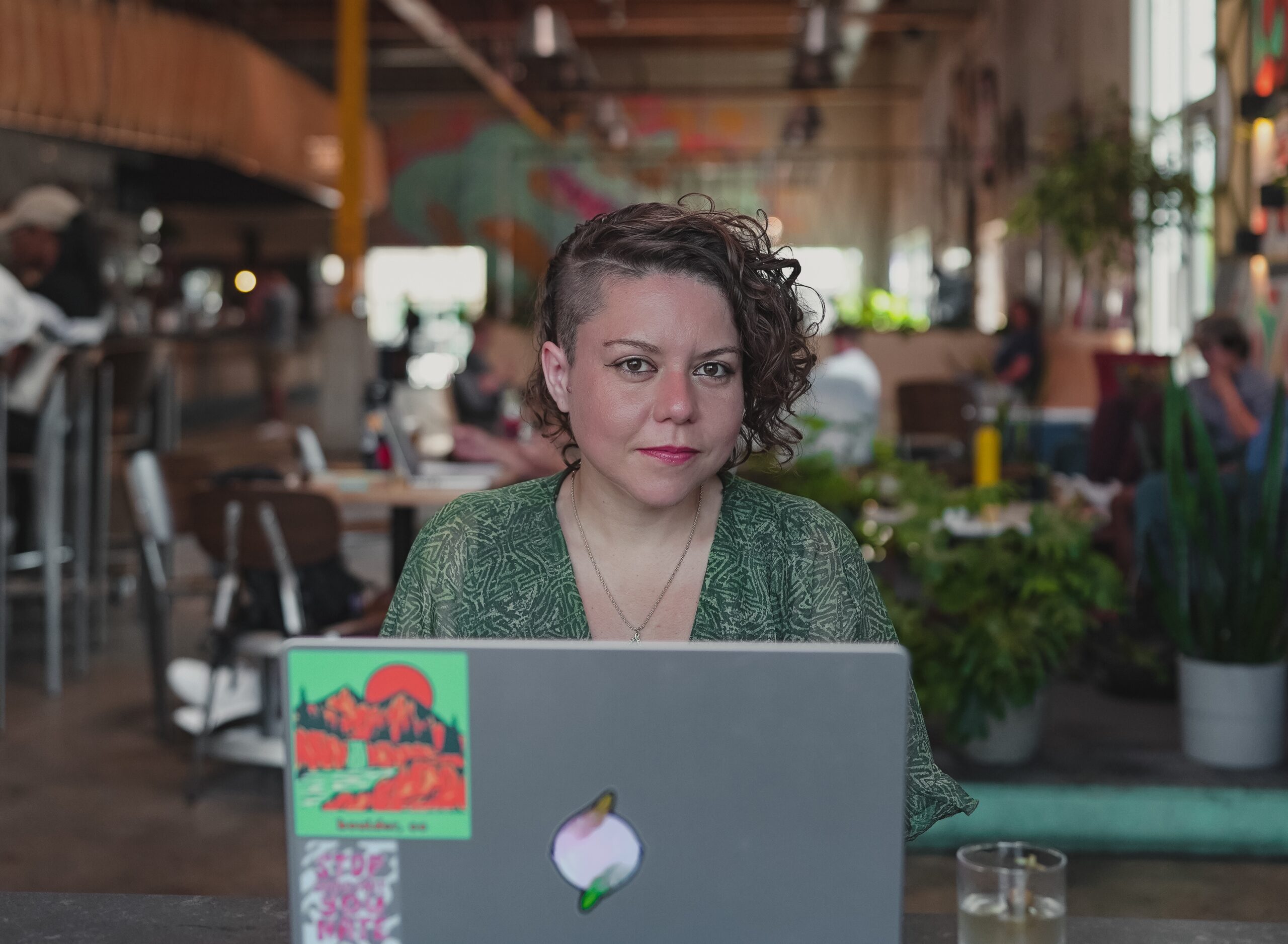
Currently, Lauren is Executive Director of Plumia, the mission to build an internet country for digital nomads at SafetyWing, a Y Combinator company that raised a $35 million Series B in 2022. She is also the author of the book Global Natives and writes the Counterflows newsletter) about borderless living. She tweets @LaurenRazavi.
Video & Podcast
- 0:00 – Preview
- 0:36 – Introduction
- 1:57 – Lauren’s Influences Growing Up
- 5:05 – Lauren’s Idea of Home
- 7:36 – Paul on International Couples
- 8:59 – Lauren on what changed in the way people see place - her idea of digital citizenship
- 11:19 – Becoming a Digital Nomad
- 16:02 – Paul’s experience in Bali
- 18:09 – Digital Nomads being self-reflective
- 20:43 – Lauren on her mindset
- 22:26 – The fear of asking questions about what life you want to live
- 23:40 – Writing her book
- 28:45 – How everything changed in 2020
- 30:27 – Why the remote work is here to stay
- 32:57 – Asking better questions - Nomads and Settlers
- 37:09 – Optimizing work
- 42:27 – Lauren’s approach to writing - working with an editor
- 49:57 – The most interesting experiments with countries/policies
- 56:59 – The problem with the real estate
- 1:01:03 – :13 Rapid fire questions with Lauren
Conversation Topics:
- Global Natives: Lauren discusses her book, “Global Natives,” which explores the history of nomadism and how the current digital nomad movement fits into these historical trends. She also discusses the future of this lifestyle and how we can be pragmatic about it at the policy and human levels.
- Transition to Digital Nomadism: Lauren started as a travel writer after university, funding her way through grad school. She discovered co-working retreats in 2015 and went to Bali to profile a startup called Hacker Paradise, which organized trips for digital nomads to travel in the community.
- Work and Productivity: The shift from time-based work to output-based work and how traditional companies need to adapt to stay competitive in a remote work environment.
- Nomad Visas and Borderless Living: The trend of countries offering nomad visas, allows digital nomads to live and work in their countries. Lauren also talks about the concept of “subscription living,” where instead of paying rent to one landlord, you pay a global brand for access to flexible living spaces worldwide.
- Real Estate and Nomad Living: The impact of real estate trends on nomad living, including the rise of nomad hotels and the potential for companies to invest in real estate in off-site locations.
- Future Predictions: Lauren predicts that in a decade’s time, global natives might be subscribing to Plumia to get their nomad passport.
Links Mentioned
- Path Role Model: Pia Mancini
- Minimum viable state
- Book Recommendation: Slouching Towards Bethlehem by Joan Didion
Transcript
I was excited to interview Lauren because she just finished her own book, Global Natives about her own experience as a nomad (since 2013!) and also the past, present, and future of the movement. I think she is one of the most thoughtful perspectives on the future of work and global mobility.
Read the full transcript
Paul: Welcome to The Pathless Path, Lauren.
Lauren Razavi: Thank you. I am so psyched to be here.
Paul: Awesome. Yeah, so let's get nerdy about digital nomad history and paths, but I'd love to first start with your history. So talk to me a little bit about some of your influences. You grew up, maybe some of the like ideas about work that you grew up with and like how that sort of influenced you as you were coming of age.
Lauren Razavi: So I guess the first thing to say is that I come from a super multicultural family. My dad is a refugee from Iran to the UK, and he's also the youngest of 8 children, all of whom fled Iran around the same time. So when I was growing up, I had a really interesting mix of ideas and kind of cultures and I guess values kind of coming at me from all directions. So all of our family vacations growing up were to visit members of our family in other countries. And when we got there, it wasn't kind of visiting Germany and only seeing Germany. It was visiting Germany and kind of seeing this pocket of the Iranian diaspora within Germany, as well as the country itself.
And I think this was super, super influential, perhaps not so much directly about the work part, but about the kind of vision of what my life could be. So, my cousins are sort of based all over the world, and I ended up, like, building these really strong relationships with them, even though we'd only see each other every sort of year or two. And just sort of having this real global identity and not seeing borders as a reason that you wouldn't be connected with other people as friends or family. And so, when it came to work, After I graduated from university, I became a travel writer for a while, and that was all quite by accident. I started writing during university and did quite well at that with the sort of UK newspapers and magazines, um, and so I just kind of went with the flow, I guess, of what I was doing, um, and who I felt I was.
I think that with the gift of hindsight, when I look back on all the decisions that I've made now, uh, they all just kind of make sense, uh, the context that I come from, this kind of multicultural family, these different cultural influences. I think specifically around work, there's probably an interesting insight in that my dad, before he moved to the UK, spent some time in California. And I think I've always detected in him a huge, like, American dream kind of energy. I.e., you can make a path for yourself. Like, you can be entrepreneurial. You can do stuff against the odds.
And I think that's been super, super valuable. I have always considered myself to be in a much more privileged position than my my parents were. And for that reason, have always really tried to create my own path, I guess, when it comes to work. I'm really seeing work and life as very much the sort of synthesis of who I am as a person and making sure both of those worlds are feeding into one another.
Paul: Being around a lot of people that were sort of forced to be nomadic by necessity, right? Survival. How did you come to see place and like home? Like what is, what did home mean to you or how did you think about that growing up?
Lauren Razavi: So I grew up mostly in the UK, but a little bit in the US as well. I moved around quite a bit in the UK. And so in general, I think that the idea of home for me was always kind of in flux. So moving around a lot, kind of going to different schools, and then also kind of seeing family elsewhere. It just— everything was always very changing. I think that my kind of conception of home, and this is something that people ask nomads all the time, you know, what does it mean, where is your home, like, what does it mean to kind of have a home?
I think mine is so much more about people than place. And maybe I think one of the, one of the really important things to me is that I have that sense of home and routine, but that is actually quite separate from the place that I am physically. I find that I have a different sense of home and a different sense of routine in the different places that I spend time. And I understand from my friends who, you know, maybe I know from university and didn't go in this sort of international direction with their lives, that home is a much more kind of stable concept for them. And perhaps a little bit less oriented on people, actually, and a bit more oriented on literally, like, this is my hometown, or this is the country that I come from. But I also think there are loads of weirdos like me, these kind of global citizens.
I think one of the things I mention in the book, I think only in passing, but I found it really interesting, is if you look at the last 50 years, the kind of data, there are more people with multiple nationalities, passports, citizenships than ever before. And people are much more likely to have a sort of background that comes from multiple nations rather than just one. So this is like quite a big kind of global trend. And countries have also been— it used to be like very restricted to be able to take on another passport or another citizenship. But actually, over the last 50 years, countries have really kind of come around to to that idea and then sort of allowed it?
Paul: Yeah, it's something I think about a lot. I mean, my wife is from Taiwan and what I've seen other couples do from two different countries is they sort of like sometimes will just opt into one or the other's default paths of that country. And we sort of wanted more options, right? To spend deeper time with both sides of the family, which sort of forces different ways of thinking about home, place, travel, work, and hence a lot of what I'm doing. But yeah, there's so— and when you're in a relationship like this, you start seeing it everywhere. I know you're in a similar situation, but there's so many immigrants.
All over the world, even first generation, second generation, people with relatives living in different countries. It's really an interesting challenge because we're so anchored to nation states. And maybe this is a good segue to start talking about some of the book. I definitely want to dive into some of your journey of how you got to become a digital nomad. Um, but yeah, maybe give us a little reference of like what changed about the world and like how we see place.
Lauren Razavi: I think fundamentally what's changed, uh, is the internet. So the internet has really, um, accelerated globalization and particularly since the pandemic when remote work went mainstream, we sort of find ourselves in this situation where if you look around, You're like, okay, so like finance and like retail and all these different things have kind of been digitally transformed and like upgraded for the internet era. But actually, so much of what it is to be a citizen, what it is to move around the world, and what it is to kind of be attached to a nation state has just not at all digitally transformed. It's been very, very slow. And there are outlier countries that are more digitally transformed than others.
But to my mind, the issue is less about individual countries digitally transforming and more about the need to create a kind of global layer so that actually people can have not only an identity and kind of culture, which I think is there already, but actually to have the services of citizenship available to them at that internet level, that kind of global layer, which is what I'm really trying to build in my work. Really kind of identified as the thing that I wanted to build and the problems that I wanted to work on through the process of writing this book. I think I went in with quite a journalistic lens before, like, as I started writing, of like, okay, so what are the problems? But I've always— when I was a journalist, I was part of this movement called solutions journalism, which is all about interrogating solutions just as robustly as you'd interrogate problems.
It's kind of part of this movement to try and make the news less like doomsday all the time. But I really kind of took that approach. So the book was about kind of articulating the problems, but also really trying to articulate the direction at least of what some of the solutions could be. And when I was writing it, I didn't quite expect to then end up before even it had been published in a job, in fact, working to build those solutions. So yeah, write books, listeners. You never know what direction it will lead you in.
Paul: Yeah, so let's use that as a segue to talk about how you ended up living this kind of life. So you started as a travel writer after university. It sounds like you were sort of just moving to different places on your own because that's just what you did. And then you had this assignment where you wanted to go cover digital nomads. Maybe tell us about that.
Lauren Razavi: Yeah, so, um, I was pretty much funding my way through grad school as a travel writer, um, and basically that meant that when I wasn't studying, uh, during like semester time at university, I was traveling like while I was doing grad school. Um, and so I did a lot of travel writing, I won some awards, it all went very, very well, but at some point I kind of got bored of telling people where to go on vacation. You know, not all travel writing is like that, but nonetheless, that's kind of like the, I guess, the business model behind it, right? Um, you can make amazing kind of like travel literature and travel writing, but actually, if you want to make your full-time living in that space, you really have to have an enthusiasm for telling people where to go and sort of only spend a week somewhere.
And I realized that what I was more interested in was kind of what was going on in the world, and like ideas and culture, and in particular, like solutions, like problems that had been solved in one country, and like why wasn't the rest of the world also sort of adopting that solution. And so that kind of sent me in this other direction, which was foreign reporting. And as a foreign reporter, I specialized in business and technology writing. I also had like a sort of urban innovation column for a while. One of the stories that I worked on, it was something that I sort of discovered on the internet, was coworking retreats. So this is like spring 2015.
Most people have not really heard of digital nomads. Remote work is this weird fringe thing that some people do. And there are far fewer images on social media of people sort of with their laptops on the beach or whatever. So, in that context, I went out to Bali in Indonesia to profile this startup called Hacker Paradise. What they were doing is basically organizing trips of at least 30 days, sometimes up to 90 days, in different countries so that digital nomads— I didn't know they were called that then, but digital nomads— were able to kind of travel in community and perhaps feel a little bit more grounded. And sort of provided for on the ground.
So I went and reported this story. There was extreme skepticism from my Guardian editor. Like, I just remember this conversation where she was like, yeah, but come on, this is just some fad. Like, no one wants to go work in paradise from a laptop. Like, come on, people don't do that. Like, and it was very much like, yeah, go and cover it, but we fully expect you to come back and tell us that it's all bullshit.
Paul: Well, I think the leading edge of it was like yoga people, right? I think they were some of the earliest mavens that were like visually doing it because Instagram was really taking off and like those images were really powerful. Yeah, and yeah, so tell me about going to Bali.
Lauren Razavi: Yeah, so I arrived there first time in Bali and essentially spent, I think it was about a month, maybe a little bit more with this group, Hacker Paradise. I actually made friends who are still some of my closest friends to this day, including one of the founders, a guy called Casey Rosengren. I covered the story. The story got published, and the editor was proven wrong. But it was through this experience and this particular story that I discovered the term digital nomads, because this is what Hacker Paradise called themselves and people who were coming together to work from Bali and then later Chiang Mai and Costa Rica and other places. And so, I guess you could say that I was living and working as a digital nomad for a couple of years without really knowing that that is what you would call it, that there was kind of a group of people doing this, that it was a movement.
But since discovering that, I have, I suppose, felt a lot more validated about it and just really, I think it was the, the motivation that I needed to just be like, it's okay to live my life like this. Yes, it's not like the traditional path and that's actually great. And actually there are other people doing it and I wanna learn from these people because they're kind of like singing from the same hymn sheet as I am.
Paul: Yeah, it's, I had an interesting and similar experience in Bali. I visited for the first time after going to a wedding in Malaysia and friends had rented like a villa to like party party for a few days. I stayed a little longer and explored Asia. This is the first time I had really spent extended time while working. It was my first year being self-employed and I decided to go to Ubud and I stayed at Rome, I think, the Rome coworking. And like, I remember having this tension and this judgment towards this like, like idea of like digital nomad and co-living.
And I now realize like that is like just this default response that like I absorbed in like places like New York, which is like these people are just like lazy. They're like not like they're trying to like save money. And I mean, there's elements of that. But then the people I actually met at that co-living house, they were like super thoughtful, so friendly, super curious about me and like wanting to know like why I was there and like wanting to help me. And I made a couple friends I've still kept in touch with. And it sort of just changed my perspective on everything.
And in that trip too is when I decided I was going to come back to Asia. But yeah, it's, there's this still weird disconnect between reality on the ground, which is what people are at, the benefits are actually can only be experienced on ground versus what people think it's about, right? Even I did a review of Tim Ferriss's book and people think it's about working less, but the philosophical undertones of that entire book are basically just ask deeper questions about what you really want in life. Um, so that was so powerful for me. It sounds like it was similar, similarly powerful when you went to Bali.
Lauren Razavi: Definitely. And I actually want to pick up on, um, I guess something you said there and also the link into Tim Ferriss because I think it's really interesting. I write in the book, um, about Tim Ferriss's kind of role in kickstarting the nomad movement. And one of the most interesting kind of takeaways from that, I think, is that he kind of birthed the self-experimentation genre, right? And blogging and YouTube and podcast, whatever. It kind of has become this really big movement now.
But what I think is really interesting about that is that because a lot of early nomads did read The 4-Hour Workweek and they were inspired by that kind of reading of the world, if you like, um, they're very, very reflective. Like, nomads are kind of self-experimenters. In quite a unique way because screwing around with global borders in the 2010s, I think, is a somewhat kind of bold decision, as in it's very uncharted territory. You're living in a gray area, and it can sometimes be fairly anxiety-inducing. But I think that—
Paul: You definitely make mistakes along the way, too.
Lauren Razavi: Yeah, hard-won lessons, hard-earned lessons right there. But yeah, I think this kind of self-experimentation is probably what leads to a lot of nomads you kind of meet out in the wild, being extremely thoughtful, reflective people, because they kind of come across an idea, and they're like, okay, I'm gonna try this out on myself. You know, one of the sort of micro trends that I've noticed amongst my nomad friends is, it's like, they're always trying like new forms of exercise, or new ways of eating, and sort of all these different new ways of living. And I think that's really kind of sparked something special in the movement. Like people are very experimental and are sort of thinking more creatively, not only about their work, but about their whole lives.
Paul: Yeah, the biggest benefit for me being in those communities, and I think Austin is actually an interesting example of one that's emerging in the US right now, is just being around people that are fascinated about ideas about how to live life. So, I think people project beliefs onto people like me and you and they say, well, you just think everyone should work remotely or travel the world. And it's like, no, how I really think about this is I start with the assumption that I'm totally wrong about everything and that there's probably interesting ideas and things I could try. And then maybe I can get to a better place, but also maybe not. Is that how you've thought about it as you've traveled to many different places over the last 7 years?
Lauren Razavi: I guess so. I think it's so different depending on where you go, but also what you're going through in your life, right? So for me, I think when I first started traveling, it was really interesting. It's interesting to reflect on that now because I don't think I had any idea what I was trying to achieve by traveling. Whereas if I look at the kind of progression of, of my travels over the years, I've really been able to, I guess, like match different places with different problems that I'm looking to explore in my own life, or sort of different, um, maybe work challenges that I want to deal with. Um, I really noticed this in people who've been living this way a long time now.
Uh, it's like you kind of I talk to them, and it's not just like, oh yeah, you know, I'm going to Malaysia for 3 months. It's, I'm going to Malaysia for 3 months because X, Y, and Z has happened, and I've identified like really specifically what I need is whatever it might be— great, great street food and like a pool in my building, or whatever it might be. But this kind of, um, I guess it's optimizing, and it's knowing what you're optimizing for. I think that's a really interesting kind of, um, feature of people thinking more outside the box with their lives. It's like sometimes those people that you referred to of kind of not, you know, kind of like maybe projecting views onto you, I think so much of that is to do with not kind of— sorry, I've completely lost my train of thought there.
Paul: No, I think a lot of times it can just be fear. Like, it's actually scary and really hard to ask these questions about what life do you wanna live? And then also grapple with the question of, oh, I might be wrong. That's actually pretty terrifying. And I, but for me, I think it actually makes the journey more fun because I'm sort of pushing the limits on what's possible for my life. So that's sort of the upshot.
I totally resonate with what you're saying. I think a lot about matching environment with what I'm working on. So a big reason I wrote my book last year was I was in Taiwan, and Taiwan is just a slower place. It's 12 hours removed from a lot of the chaos of the US media cycle and just a lot of people texting me and stuff throughout the day. So I had a slower, calmer pace, and it was like writing fit perfectly with that because I would never have calls during the day, and I could really just think deeply, wander, focus, and things like that. And I still think a lot about that.
So talk to me about writing, deciding to write a book. I know you've written for many years. You probably had some idea that you wanted to write a book, but why Global Natives and why now?
Lauren Razavi: Ah, so I guess I have to go back a few years to kind of tell the story of me writing a book because I was first approached by a literary agent in 2018 who was like, you should do a book on digital nomads. And I was like, oh wow, you know, I've been writing for a lot of years. I've kind of been writing since I was a teenager. Obviously, I do wanna do a book, and I've always kind of thought in a far-off way that I would do a book. But now, there's someone actually saying, "Write a proposal. I wanna sell your book." But that didn't really work out, because the book that that agent thought that they could sell, and the book that I think publishers were interested in at that time in 2018, was really like how to be a digital nomad, like a kind of guidebook, a kind of like self-helpy how-to.
And I just didn't have a lot to say about that. Like, as in, like, I could have functionally written that book. Like, I had the kind of knowledge and experience. But when I actually thought about spending the time sitting down and, like, gathering thoughts on that, I was just like, oh, I just— it feels like agony. Like, even just thinking about it, it doesn't feel like what I want to spend the number of hours you have to spend to kind of create a manuscript. I don't want to do that.
So I was very much like, OK. That's fine, Lauren. You're forgiven for this perspective. However, you should figure out what your actual book is. If you don't want to write this book, if you're having such a strong reaction to that idea, what is it that you want to write? Because otherwise, writing a book is gonna be this far-off thing that you don't get to for, like, a decade, 'cause you're not kind of dedicating any time to figuring this out.
And so I kind of spent the next, I guess, couple of years thinking about it. And at the end of 2019, I left a very lucrative consulting contract that I had with a major tech company company to work on the book full-time, um, and to kind of really figure it out, because I found it super challenging to think about such an enormous project whilst also trying to hold down a not very timezone-friendly kind of, uh, day job, um, that was taking up like a lot of time, kind of making me feel a bit burnt out, stressing me out. Um, and so yeah, I figured that I needed some time to work on the book idea full-time, uh, and then In March 2020, the pandemic hit. For me, the pandemic kind of hit a bit earlier because I was in Malaysia for like, uh, December.
Paul: I was in Taiwan.
Lauren Razavi: Yeah, and it was quite different in Asia because it was taken very, very seriously for like 3 whole months before the rest of the world kind of caught up. Um, and so I would say that was quite a distraction, but at the same time, it also suddenly made the area of digital nomads and remote work seem that much more kind of relevant to the mainstream conversation, I suppose. And so, somewhere in there, like between the end of 2019 and I'd say like maybe the like summer 2020, I really figured out like what I wanted the book to be. And what that turned out to be was kind of a big ideas book. This is what the kind of publishing industry calls books of this nature where it's kind of like you're looking at how the world works and being like, this sucks, and here's how we could do it better. Like, here are kind of like world-changing ideas.
Here's like the direction of travel to vastly kind of improve how things are happening at the moment. And so Global Natives is kind of that. It's a book that is very much about nomads. It's also unabashedly like pro-global mobility, people's like free movement around the world. But it really goes further than just kind of talking about the nomad lifestyle to really kind of put nomads in the context of what's happening in terms of globalization, in terms of technology and the internet, and in terms of kind of what we can do with this momentum that we have right now, now that remote work is mainstream, now that countries are launching new visas specifically for nomads and knowledge workers, and sort of tries to chart a path to that.
And as I think I already mentioned, what I've been able to do since finishing the book is actually begin to work on bringing some of those ideas to life, which has been possibly the most rewarding part of the whole process, to have the articulation of ideas, which I think is a huge challenge and a hugely, like, rewarding thing to do in itself, but then even to have, like, that kind of next step to start translating that into impact and I guess to have the strength of ideas that you feel like you can go forward with, I think was really rewarding. I'm very glad I didn't write a book in 2018 because I think that that book would be quite irrelevant by 2022.
Paul: Yeah, 2020 changed so much. I think, I mean, people showing up and having the conversation with me about their relationship with work gave me the confidence that what I was writing about was real. Before I had some doubts, I kind of thought maybe I'm crazy. And it sort of revealed all these hidden preferences. And I think with living in different locations, I saw this with a lot of people that had— I had a couple of friends that were in like one location for a very long time, very like fixed mindset. And then the pandemic happened and like, boom, they started making like they either became nomadic or like moved to different places like almost immediately.
So it sort of showed there were all these preferences people had that they weren't willing to express. And there was this social shame aspect of that, or not even shame, but like here's the right way you're supposed to be living your life. And yeah, we're shifting from an industrial to a digital age and I find it funny sometimes when people are like, should we be in the office or not? It's like, that's over. Like everyone's working from a computer. It doesn't matter if they're in an office building or not.
They're digital, they're interconnected. They can work from wherever. And smart companies will hire smart people anywhere in the world. So I loved how you took a stance on that and were like, this is happening. We need to grapple with the actual questions that come after we decide that it's happening. And I think it's going to be a helpful book for people to think about this.
Lauren Razavi: I hope so. And I think that this sort of discussion of returning to the office is just so much wasted energy at the moment.
Paul: I don't even want to talk about it here. It's like a fake discussion. Debate, right? It's like— yeah, you can go. What's your perspective on it?
Lauren Razavi: So I was just going to say that I suppose I just want to throw one solution into the mix.
Paul: Yeah, awesome. Solution journalism. Let's do it.
Lauren Razavi: Yeah. But basically, I just really want us to skip to the part where we stop talking about whether we're going to return to the office and instead start talking talking about, wasn't it strange that we used to measure productivity as the hours someone showed up instead of the output of the work that they did? I'm like, how long will it take? Is it going to take a year or two years for the narratives to reach that level? I just think, yeah, remote is here to stay. And we probably don't need to convince your listeners or each other of that.
Paul: Well, I think the part that interests me is why do people think like that, right? It's not that they think showing up in, most people would accept that showing up in an office is not like productivity. Like that is not what creates output. But I think there is this broader idea of work. Work serves many needs. Work serves how we contribute to society, how we prove that we're like a morally good person.
It's how we judge others. It's how we value ourselves. So we have all these deep ideas around work. And when suddenly someone's working 20 hours per week but doing a great job, it triggers this bad person radar. It's like, this person, no good. And people don't really understand why that's being triggered.
It's hundreds of years of, of conditioning and our economic system. But I do think we're at the beginning of small seeds, like you're writing, other people's, I think Anna Codrea's writing is amazing. And it's planting those seeds of saying, okay, this is not the question that matters. Here are the questions that matters, and here's how we think about the future.
Lauren Razavi: Totally. I think asking better questions is a sort of shortcut that people are not necessarily paying enough attention to in so many of these debates.
Paul: Yeah. So would you say the question is like, am I working correctly in a place or not? Or is a better question like, am I a nomad or a settler? I love that question you asked at the end of your book. Is that a good question to kind of think about the broader issues?
Lauren Razavi: I guess so. I make the distinction between nomads and settlers for this kind of reason that I think already came up in our conversation, which is people assuming that if you're a digital nomad, your kind of take on everything is like, everyone should be nomads, and there can be no settlers. There can be nobody who's like, I was born in this town, and I will stay here till I die. Like, not at all. I think my perspective is so much more about the freedom to choose. And I think that when it comes to, when it comes to, like, location, I think that it's such a difficult thing to generalize about because everyone is so different and everyone prioritizes different things in their life and in their kind of, like, immediate physical environment.
I think when it comes to work, there are so many questions that we need to be asking. I guess maybe I'd say it's two sides. One is questions of what makes a good company in a remote economy, as in what kind of company is going to have a good work culture or tick your boxes, because I think that's so different now. If you take remote as the baseline, the starting point, there's so many new things to think about here. For me, for example, when I joined the safety wing team, which was this December just gone, one of the things that I was thinking about was literally, like, I need to understand, like, what their software stack is. Because if they use, like, Cisco Webex or, like, Microsoft Teams—
Paul: Pass.
Lauren Razavi: Yeah. Like, and it sounds so princess. Like, my husband would probably say, you're being a princess about this. But it's like, the tools that you use and the way that you use them is work culture. In a kind of remote and async company. So, I think, like, things like this, really getting down into the details and not worrying about offending a company that you are interviewing to join, I think is something that everybody should be doing as we kind of see this great resignation, kind of people shifting jobs.
But then I think there are kind of larger questions about work as well. Like, you know, is it— I mean, I think I kind of know the answer to this question already in my mind. But the idea that we used to work for 40 hours per week, and that that was what was required in order to create enough output to sort of earn your salary, I think that is being so turned on its head by remote. And within business, we should really be kind of looking at that closely. And we should be thinking about how we want to understand the parameters of work going forward, and like, What does it mean to be a competitive company in this environment in terms of how you actually work with your employees and how you actually understand the value that they are creating? And that's easier for some roles than others.
But just in general, this kind of move, I think, from time to output, I worry it's going to take a really long time. But I also think that we're going to see a lot of more traditional companies really kind of having to step up and compete with startups and sort of more pure tech players in order to be able to just kind of keep their market and stay competitive. Because once you have a lot of companies offering much more sort of seamless, friction-free working relationships, then you do just see talent kind of flocking to those companies. But hopefully, it's going to kind of pull up the rest along the way, make a bit of a faster transition culturally.
Paul: I think it's raised the stakes on people navigating their careers, whereas before you sort of knew what you were getting with the company. Okay, I'm sort of expected to be in an office 40 hours a week. I don't really need to ask the questions about culture. You have experience working on your own and figuring out all these different things. So you're very attuned to like your energy levels, how you want to work, like what enables you to thrive, what enables you to be creative. So you're asking those questions about the tech stack.
Makes perfect sense to me. And I think I've talked to people navigating traditional careers and it's actually very hard, right? Because if you're a company that's working like 3 days a week in office and then you're interviewing at a company that's 5 days a week in office, that's a completely different way of orienting your life. So you're not just like moving from one job to another anymore. You're like having to figure out all these trade-offs. And this is part of the argument I was trying to write in my book, which is that like we're all on a Pathless Path right now.
And it's like going to be beneficial to start figuring out what are some of the trade-offs at the margins and like, how to figure out all these different settings because every company has like a different setting now. And I'm sure it'll emerge, like maybe there'll be like 4 types of companies or something, 3 types, whatever. But right now there's like 25 varieties and it's very hard to navigate. How have you, in your journey of like working remotely, gotten to the point where you knew to ask those questions?
Lauren Razavi: Oh God, I think the longer that you work for yourself, the more fussy you become because you're just kind of like looking at every opportunity and being like, uh, there'll be like more opportunities. Like, is this opportunity like good enough for me to not just sit in my pants all day instead?
Paul: Like, what are you optimizing for? Is it energy? Is it creativity? Is it like, uh, mission? What do you, how do you think about like trade-offs? Because I know for a lot of nomads and freelancers, remote workers, a lot of what makes them unique is they're not optimizing around max money consistently going up to the right.
Lauren Razavi: Yeah, so I mean, I guess there are two main things that I've kind of optimized around, um, not through my whole career because it's really lessons from earlier career that have informed latter career, I think. But it's really important to me to be part of a team, whatever format that takes, where there are not significant bottlenecks to getting good work done. Like, that's something that— yeah, I mean, it sounds really basic, but like, in my experience kind of consulting for clients before, both in government and private sector, the— especially the bigger the organization, the kind of worse those bottlenecks can be. One of the things that I found really killer in the past at past companies was running creative teams wherein there were so many bottlenecks that nothing that was made ever got released to the public.
And I just think that's soul-destroying for everybody involved and is a surefire way to make you feel like you're in a bullshit job, even if the job itself otherwise is very, very good. So definitely bottlenecks is a really, really big one. I think for me as well, mission has played a really big part, much more recently than sort of earlier in my career, I think. So, the decision to join Safety Wing was really based on wanting to sort of pursue this mission of a nomad internet country, and to really kind of pursue world-changing ideas. And it was a very kind of long, I guess, interview process, all fully remote. and I remember saying to my husband the week before I started, I was like, you do know I'm prepared to be in and out in a week, like a week or a month, like if I don't think that this is going to work.
And as much as impact and mission are important, and I was very— it was very clear to me that I was aligned with Safety Wing on those things, I was also prepared for it to just be a terrible experience that, like, having been sort of a freelancer and worked independently for for so many years that I was just going to kind of go into this company and just be like, "Oh, God, no. Like, get me out of here." But that's not how it worked out. And I guess maybe one of my reflections or takeaways on that is how important it can be to kind of take risks sometimes. You know, I could have very easily, I think, talked myself out of ever giving it a try. And instead, I guess I took that approach of like, "Okay, what is there to lose here?" Essentially, a month or two. like, if this doesn't work out.
I guess maybe that's a really good guidance point for any career, I think, is trying to assess things in terms of what is the worst thing that could happen? Like, as in really realistically trying to go through the steps of, like, what it is that's making you feel uncomfortable about something. And I think that's something that I have been able to, I guess, a skill that I've been able to hone in myself, which I see as, like, very, very valuable. In navigating these opportunities in the remote world.
Paul: In terms of writing the book, so I'd love to hear just more about how you thought about it at the beginning. You were a huge help to me. We had one call about writing the book. I think I was about 4 to 5 months in, and you gave me— you did an edit on my— like introduction, which was like very challenging and very intense and like I loved it. It was so good because it pushed me and it was like, oh, I can like write a great book. Like it made me want to get better.
And you also gave me a bunch of different ideas of like thinking about writing, which was super helpful because like I was just like an internet words person and you actually have like real training and experience of how to write things for audiences. How did you think about your book? I know you wrote it with Holloway, So it was a bit unique. So yeah, what was your concept? Did you try to sell it to a publisher first or did you just start writing it?
Lauren Razavi: So I had some early interest in Global Natives from Penguin in the UK. And so I thought quite carefully about whether to go down that more traditional publishing route and ultimately decided bearing in mind this was like decision-making in 2020 when things, you know, we had no vaccine, it was all very unclear like where the world was going, whether the apocalypse had begun. Um, but I basically decided that a traditional publisher was not going to cut it in terms of the timeline. Um, so when you—
Paul: so long, why are they so long?
Lauren Razavi: Uh, it's just so many different cogs in a process. But essentially, like, for any listeners who don't know, what happens when you write a book with a traditional publisher is you spend, like, 9 to 18 months, depending on whether you're a new writer and stuff, actually writing the book with an editor from the publisher. And then 12 to 18 months after you finish the manuscript, the book itself kind of comes out and is distributed to bookshops and is reviewed and such. And at the time, I was just like, you know, this was a— this would have been, like, summer 2020. And so it was like, It had been 1 month since Barbados launched a Nomad Visa, and suddenly there were 10 to 20 more countries, uh, kind of following in their footsteps. I just had no idea how I could conceive of a book and kind of write about this area if I knew that basically it was going to be 2 years later when it came out.
Um, and so I started to kind of explore alternative options, because something I was really sure about was that I didn't want to self-publish because I really wanted an editor on the project, and I basically didn't want to to kind of go into my own pockets, kind of like put my own savings into sort of hiring an editor. And so I got some kind of introduction to Holloway from somebody else and met my editor, Rachel Jeppson. She was actually the first person who I met from the Holloway team. And she and I just gelled so much. I remember having a couple of calls with Rachel and coming away from it like, I just want this woman to work on my book. Like, as in, I just— I want to see, like, what we can do together, because we had really, really great chemistry.
And so I started— I mean, I already had a lot of research, a lot of notes, because I'd kind of been thinking about the book for a while. But when I— so I got the book deal with Holloway in December 2020. And Rachel and I started working together in, like, Jan 2021. And basically, she helped me move from, like, masses of research and all these kind of mini essays and ideas about things into conceptualizing what the actual book was going to look like and kind of what the kind of core arguments would be.
And so yeah, we spent a sort of year working together on that, and I found this process of writing and being edited perhaps the most like important and joyful, I would say, part of the whole process, because I was able to really, really sharpen my thinking and really, really kind of level up, I suppose, for possibly the first time since I actually did creative writing in grad school, just because of the intensity of that relationship and going back and forth and kind of having someone who's a sort of steward or guardian of your ideas. I think there must have been 10 or 20 times during the process that Rachel turned to me and was like, I need to, like, just direct you back to your own vision for this book. "what you told me," and she'd, like, look back in her notes.
She'd say, "What you told me in March was this, so can we, like, talk about that and kind of work through it?" Like, really keeping me true to my own ideas. So, yeah. And Holloway is, like— I've realized I should say something about, kind of, like, Holloway and what makes it unique. But Holloway is an independent publisher and also a digital publisher, so there's something between a tech company and kind of an independent publisher. And so, what that meant is that I was still making edits to my book a week or two before it was actually released in early May. And that was, like, the level of flexibility, I suppose, that I was looking for in terms of finishing manuscript and then shipping, wanting to make sure that, like, if there were extra things to slide in, that that could be done right up to last minute.
Um, and now it is shared with the world via the Holloway platform. Um, and actually a piece has just run— I mean, there are pieces of it everywhere as well. Yeah, featuring everywhere on the internet.
Paul: What makes a good editor for you?
Lauren Razavi: I think it's hard to generalize. It's a bit like asking what makes a good friend for you, and maybe there's like an answer to that question, uh, you know, like maybe for you What made Rachel great for you? I think she got the concept for the book as well as what I didn't want the book to be and really engaged with that from the start. I think one of our early conversations was like, so essentially you want to write a political manifesto, but in the disguise of a business book, yeah? And I was like, yeah, that's it. That's what I'm trying to do.
And she's like, excellent, let's do that. But yeah, I think just really being able to have a shared vision with an editor of, like, what a book is gonna be, having someone who really is committed to the ideas. And, you know, one of the huge benefits of Rachel, aside from her actual skill with, like, the craft of writing and the craft of editing as well, is that she has a really varied background in writing about technology, and I think that was important. You know, I think if I'd written a book with an editor who was a software engineer, sort of travel writing specialist, the book would have come out very differently and sort of been guided in a different direction.
But I took a lot of lessons from, I think, Rachel's previous experience editing a wide variety of, like, internet makers, and she was in sort of trade publishing before that, to really be able to kind of take everything that I was writing about in a slightly broader context than if it was just me in my own head without that extra knowledge and extra work that Rachel brought to the table.
Paul: Awesome. Great stuff, Rachel. Shout out to Rachel Jeppsen at Holloway. What are the most interesting experiments happening right now with countries or policies? I see new stuff every month now. It's really interesting.
Lauren Razavi: Yeah, so I mean, the avalanche of nomad visas, shall we say, continues.
Paul: Yeah, and some of them are just like repackaged, like extended tourist ones. Other ones are really interesting though.
Lauren Razavi: Yeah, so I mean, that's a trend that's really picking up steam. I think that a lot of nomad visas have this fundamental problem, which is that they're trying to optimize people's relationship as residency. So as in actually moving more that style to a place for a while, than what digital nomads actually want, which is mobility and flexibility. Like, the ability to spend 3 months per year in a place for 5 years is, I think, much more appealing to most nomads than the idea of being able to do a full 12 months somewhere and then keep extending and extending.
Um, so yeah, super kind of interesting landscape with a lot of the visas I think that one of the things that I'm most interested in and that I'm working on quite actively at Plumia at the moment is trying to bring about some international standards in that area and trying to make it a bit more like user-focused, like make sure the visa programs essentially are more user-focused and are able to sort of deliver benefits for all stakeholders involved. Because at the moment, you have a lot of programs that have kind of launched which had never spoke to any nomads before they actually made them, made that kind of visa, and actually aren't kind of sure of what it is that they're trying to achieve for, like, maybe their local economy or something like that.
So, yeah, I think there's a lot of work to do there, but all of the nomad visa programs are really interesting, and I'm really interested to kind of see, I guess, the next, the kind of nomad visas 2.0, as the space kind of settles settles down and perhaps nomad visas become a bit more like tourist visas in that sense of being very easy to access and kind of visa on arrival, etc. I think there's a lot of interesting stuff there. I think something I find really, really interesting and in true nomad style of self-experimentation, I, in fact, did this for a year and a half. But I have a chapter in the book that's about borderless living and specifically subscription living. So the idea of hotels and accommodation providers adopting this model that's much more nomad-facing, which is basically by-the-month accommodation.
The vision being that in the future, instead of paying rent on a long-term contract of, let's say, 12 months to one landlord in one city, you're instead paying that same kind of amount to a global brand. And then you're able to access kind of flexible living spaces like apartments, co-working spaces, etc., around the world. And so that, that was something that I did along with my husband, um, for a year and a half during the pandemic. We sort of tested out one of these nomad hotels, um, Selina or something? No, Zoku. So, um, Zoku have 4 locations: Amsterdam, Vienna, Copenhagen, and Paris.
Um, and we were mainly based at the Amsterdam Amsterdam location, but spent some time in some of the other properties as well. But essentially, it's like, it's a hotel with apartments, like mini apartments that are super space-saving, uh, and very beautifully designed. Um, in the north, there are this kind of same size as a normal hotel room, and then on-site you have a co-working space and kind of a bar, restaurant, cafe. And so it's like, if you're a nomad, if you're a remote worker, you kind of have those two components that you really want some consistency with, i.e., your actual living space and your coworking space when you travel. And so, yeah, that was a super sort of interesting experience and something that I'm really excited to kind of watch roll out. Real estate is notoriously slow to kind of like change things, much like governments.
But I think that we're going to see a lot more in that space. But if you're a geek like I am and read the kind of real estate investor news, you can kind of see things going in this direction already.
Paul: I always find out about it in your newsletter. There's always like one cool thing where I'm like, oh wow, this is so cool. Taiwan has been really interesting to watch. I think I actually got the gold card visa in 2019. When they started it, it was you needed 8 years work experience, right? And you could tell it was like created by a committee, like, oh, we need to make sure they have the proper qualifications and very East Asian.
But over time, the qualifications have gotten less and less where they're— and they're making more of the rules ambiguous. Like, you don't have to have a job. Anymore. And you also don't have to be employed when you're in Taiwan, which is like saying without saying, hey, you can be a digital nomad here. So a lot of people have done that. Um, and the reason I think East Asia is so interesting to watch is because they literally have shrinking populations.
So they are totally, and like Portugal is in a similar situation. Being very proactive. And I think you're going to see a lot more countries that are like, oh wow, we have shrinking populations. We actually just need to experiment. We need to get anyone here and then figure it out.
Lauren Razavi: Yeah, I'd agree with that. I think that looking at some of the remote incentives that have launched around the world, particularly the ones that are like, I think it's Italy, Greece, maybe Spain as well. Where they will literally pay remote workers to go to small villages where most of the population has kind of moved away and rejuvenate those spaces. I'm very excited to kind of see what happens with some of those experiments. And I guess this is a little bit what I was saying before about, I think, there's such an opportunity to try and create win-wins for different stakeholders involved.
So let's say a bunch of nomads go and rejuvenate a town or village in Italy, and they're able to kind of set up a bit of a digital nomad village there, I think that's really great because it's kind of rejuvenating an area which is good for the local economy, which is good for local people, at the same time as making sure that nomads are contributing positively rather than, for example, making urban city centres even more expensive and difficult to find accommodation in. So I think it's so much about incentives. Like governments need to decide what they want. Nomads need to express what they want. And then we can kind of find the different ways in which we can essentially use technology to be able to create win-wins. Yeah.
Paul: And I think real estate is one of the biggest challenges in the world right now. We have this sort of disconnect. McKinsey had this report of global wealth and a lot of of wealth creation in the last 30 years has basically come from real estate gains, which is like often nonproductive assets. So it's sort of creating this asset bubble and creating these weird incentives to try and make housing more scarce. I think in nomad communities, from what I've seen abroad, the way locals deal with this is there's basically two economies. Companies, like if you're a local, you can get cheaper rent.
And then if it's an outsider, you jack up the rent. And that way, like you're not actually in a market. I think the challenges will come when, if these companies, they're trying to make money and they are competing in a global market and participating local, like how those dynamics play out and like how it drives local rents as well is going to be interesting. But yeah, I mean, real, real estate is such a big challenge right now. I mean, rents are going up right now in Austin, 20 to 30% year over year, which is just unbelievable.
Lauren Razavi: Wild.
Paul: Um, and yeah, I, I don't know how this happens, but I think for a lot of people too, that's what's driving the move to like want to do this subscription living. It's like you can basically outsource the risk of like inflation and cost changes to another company to figure out. And then if they're not good, maybe you go to a different one. But yeah, it's an interesting challenge. Any other thoughts on like real estate? It sounds like you're a little deeper than I am in this stuff.
Lauren Razavi: I know that we said that this conversation wasn't going to focus on SafetyWing and Plumia, but if you want to go in the real estate direction, at SafetyWing, Let's do it. At Safety Wing right now, we're looking at a couple of options. And one option is— and I think we will see more remote companies, like, make these ridiculous moves. But we're looking at buying a European castle right now as our kind of headquarters for the company. And essentially, yeah, I do think we'll see a lot more remote companies kind of thinking much more creatively about real estate going going forward. And this kind of comes out of the nature of having a remote company, meaning that you go on sort of team retreats or team gatherings several times per year.
And so, that's kind of our rationale at Safety Wing right now is, okay, we're already spending a lot of money on these kind of gatherings and team retreats. We're growing super fast. So, does it actually make sense to have real estate assets, which could kind of take care of some of that spend that we're already doing. So watch this space, but there may be a Safety Wing/Plumia castle to come visit us at sometime.
And we're at the helm of it. There's Salesforce and their ranch and possibly Safety Wing in our castle.
Paul: So I love it.
Lauren Razavi: Subscribe to my newsletter, listeners, and I'll tell you about all the other weird properties that companies are buying up.
Paul: Awesome. So wanted to do a few rapid-fire questions. Are you game?
Lauren Razavi: All right.
Paul: Who is a PATH role model you've had in your life?
Lauren Razavi: Pia Mancini, who is CEO of Open Collective. And I first learned about her work when she did a TED Talk, I want to say in like 2014 or 2015. I then became friends with her, which was really wild, but what I love about Pia is that she's working on her mission and then plugs things into that rather than kind of following opportunities in order to shape her mission. And getting to know Pia, I really, I think, was able to take away a lot of what I admired about her and convert that into more like what I wanted my path to look like.
Paul: Favorite Nomad location you've been to?
Lauren Razavi: I always feel like I want to lie in response to this question because I don't want others to know about the good spots and make them too crowded. But I'm a really big fan of Malaysia. So I love Kuala Lumpur and also the island of Penang. Really, really great places to spend time as a nomad. Awesome.
Paul: What is the favorite thing you've ever written?
Lauren Razavi: So I have this essay, which I actually think I shared with you before this session, called Minimum Viable State. You can find it on my website, which is elraz.io. But this was like, this was an essay about the kind of Plumia concept of building a country on the internet. And it's about 4,000 words, I think, and it really just poured out of me. I really just had something to say, and I had to figure it out by writing it down. So I was super proud of that piece of work.
And then it was selected. I like submitted it for like a crypto essay prize that Balaji Srinivasan was doing, and it won. So I got sent some Bitcoin in exchange for that essay. And it was kind of, I guess, one of my first— can I call it this? But like Web3 interactions, right? Where it's like, oh, I can just make a thing, and then I can get a crypto bounty for it, which I thought was very cool and made me very proud to, I guess, get some recognition from the cutting edge of tech.
Paul: What's a book, podcast, YouTube video, any sort of media that has had that's had a big impact on you in the past 6 months?
Lauren Razavi: So I've been rereading a lot of Joan Didion lately because she passed away. Oh, she's so good. So good.
Paul: Oh, she, she, she passed away. I didn't know this.
Lauren Razavi: Yeah, last year I think.
Paul: Very sad.
Lauren Razavi: Oh wow. That sucks. Super sad. But she also had a good run. I think she was in her 90s. Um, but yeah, I think that, um, in particular, um, Slouching Towards Bethlehem is a really, really great book that I think I'll just revisit for the rest of my life.
But I think that was very, very impactful for me coming out of book one and starting to think about book two. Like, what is my next book gonna be? What do I wanna try and achieve through the craft of writing through the creation of the next book? And for me, it just meant going back to Joan Didion because she's been kind of one of these, like, quality markers in how I would like to one day write.
Paul: Yeah, her writing is beautiful. I read The Year of Magical Thinking last year and it was like, wow, this is incredible. 10 years from now, what are global natives doing? If you wanna make a bold prediction.
Lauren Razavi: I think they're probably subscribing to Plumia to get their Nomad Passport. We are slated like on our 10-year roadmap to launch launch a new passport for digital nomads in 2032. So literally in a decade's time, I hope to have created this and to perhaps be back on your podcast being like, are you going to apply for one, Paul? Look at what I made.