The Money Path or The Life Path? - Tim Malnick
- 00:00 – Introduction
- 02:44 – Why Tim Didn’t Follow a Track
- 04:18 – Creative influences early on the path.
- 07:53 – First conscious career decision.
- 10:05 – Organaizational psychology is a limited path
- 11:40 – Learning how the world actually works
- 14:11 – Figuring out who you are
- 23:05 – Sustainability of systems over the long term.
- 23:38 – Ways of organizing our economy
- 31:50 – Questions time uses to uncover money beliefs
- 33:52 – What is it you would love to do if it weren’t for money?
- 38:03 – Reason for being
- 38:56 – Lessons from running money workshops
- 44:08 – Money and security
- 46:54 – Most powerful scripts people have about money
- 56:14 – Life Mode
- 01:02:52 – Create your own prestige
- 01:05:06 – Where can people find more about Tim
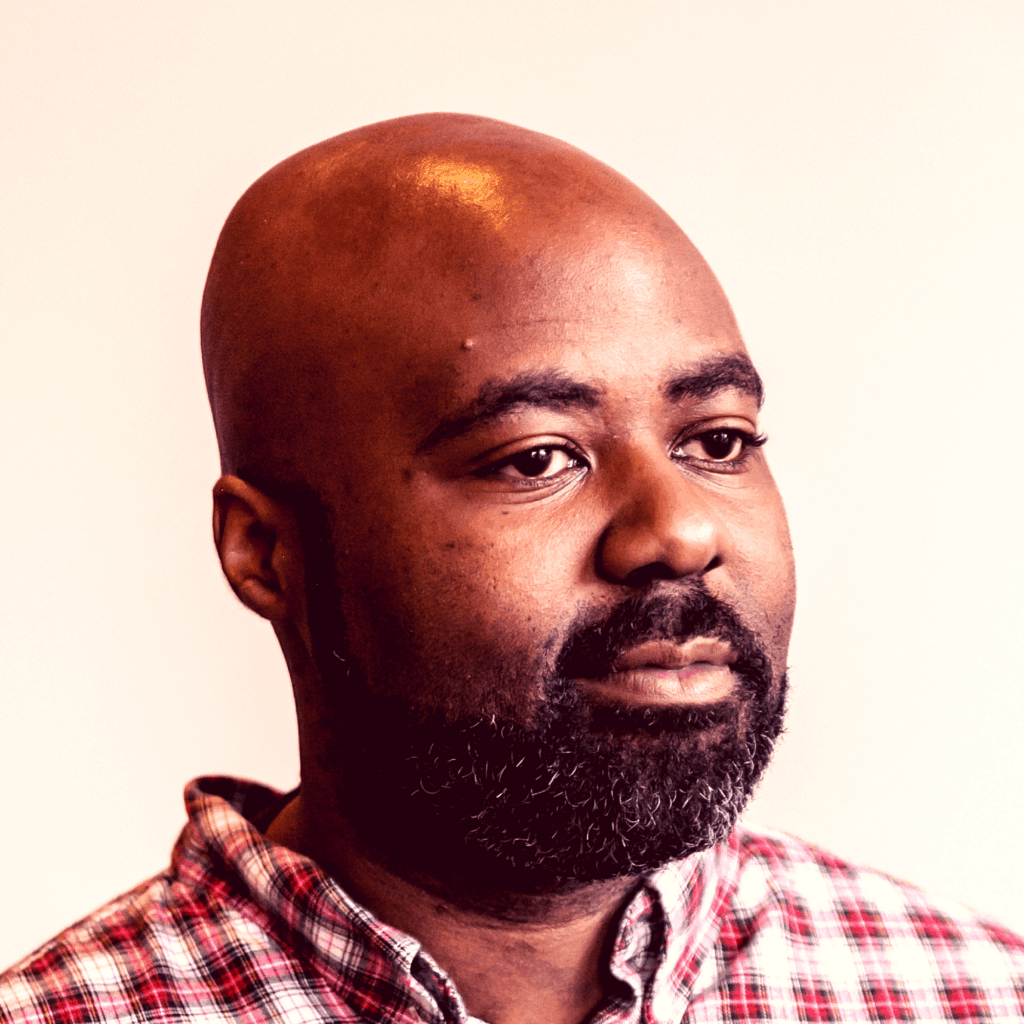
Tim Malnick has always lived between the two worlds of business and creative/activist circles. In his twenties, he stumbled into a creative group of young people, of which “none of them following the obvious path.” This gave him a lot of confidence that different kinds of paths were possible and enabled him to offer a diversity of perspectives that he was able to bring to many different environments.
One of the things he spends a lot of time on now is helping people transcend their relationship with money. He runs The Money Workshop with people helping them explore the scripts people have with money and realized that people have one of two orientations towards the world:
#1 The Money Path: “One day when I sorted this out I’ll get to do what I want”
#2 The Life Path: “Do what you love and the more you follow it you will have your needs met with and without money”
Which one are you?
Learn More About Tim’s work here 👉 Different Space - Transformational learning & development by Tim Malnick
New to Reimagine Work? Learn more about Paul here
JUST LAUNCHED: 📕The Pathless Path
Transcript
Tim Malnick has always lived between the two worlds of business and creative/activist circles. In his twenties, he stumbled into a creative group of young people, of which “none of them following the obvious path.” This gave him a lot of confidence that different kinds of paths were possible and enabled him to offer a diversity of perspectives that he was able to bring to many different environments.
Read the full transcript
Tim Malnick: Of course, that's part of it, but I encourage people who are following the Life Path to realize that their needs may be met more fully with and without money.
Paul: So today I'm talking with Tim Malnick. He is somebody I'm not quite sure how to describe, so I'm probably going to turn it over to him to describe him better. He's like me, doing a number of different things, having a lot of curiosities, trying to engage in many different ways with the world, has spent some time in academia, has worked as an activist, and most interestingly, I think something emergent for me and I want to explore today with you, Tim, is around your work with money and the money workshops you hold with people. I think that's such an interesting lens to get to some of the deeper fears, insecurities, and desires people have about their lives. So welcome to the podcast, Tim, and maybe we just kick it off with you adding some of the missing pieces from my intro.
Tim Malnick: Sure. Yeah. I mean, first, thanks for having me because we don't really know each other. And we were sort of tweeting each other for a while. So I, you know, I'm increasingly interested in your work and your writing, and I'm really happy to have this conversation. I'll start with a more— a little bit more official bio, and then maybe we'll get into the inner story a bit later.
Professionally, my training is as an organization psychologist. So I originally studied psychology, then I did all sorts of weird and wonderful things. I didn't jump on a career ladder, and we maybe talk about that more. But eventually, in my late 20s, I trained in organization psychology. So what does that mean? I do work around— I do one-to-one work, coaching, leadership development.
I work with groups and teams. Occasionally I work with whole systems or organizations. But the other thing I always say about my background is, as you said, I've always had an activist thread. In my 20s, that was, you know, I was going sometimes on environmental demos and protests, and I was working voluntarily for like green organizations and campaign organizations. So then when I moved into professionally working in business and organization, I was always very clear I was never interested in using my skills to just advance business as usual. Yeah, just, just because for me it never made any sense.
I just— again, we can get on to that. So I've always used stuff around personal development, leadership development, for either people who are exploring new ways of doing stuff, uh, or for people who are already pioneering kind of better ways or trying to reinvent stuff around work and how business responds to—
Paul: yeah, why didn't you follow a track. What was like— take me back to when you were either deciding to or not to do something like that. How old were you? What were you thinking about?
Tim Malnick: I mean, it's hard to know the time when you decided not to do something, but I think the honest truth— and I, you know, I've looked back at this in different ways, and I'm not always sure it was a mature or wise decision, But I think the, the truth is two things. One is I've just never been a natural planner. So the idea of actually sitting and thinking, where do I want my career to be, or where do I want to get, was very alien to me. And actually, I kind of admire people who could do it and did do it, but it just has never been my nature. And the other thing is, I think I always have had a countercultural mindset. And I, and as I've grown up and matured, I understand that better.
And now hopefully I can get— I can use that in a helpful way. I think the truth is, in my teens and 20s, it was just a bit of a rebellious, you know, it was like a fairly unconscious, semi-conscious, I just don't want to go and work, work in the machine. And it wasn't any more well thought through than that.
Paul: Did you have any mentors or people that were taking unconventional paths in your life or family? I often find that people that do take these paths have one or two people that kind of give them permission to explore in a different way.
Tim Malnick: Well, you know, that's really interesting. I think I had— I had— I actually had the opposite in some way. And then just when I left university, I suddenly moved into this counterculture world that was so interesting and exciting. So in terms of my upbringing, fairly typical kind of professional middle-class family, born and raised in London. My dad worked in the kind of investment sector, and I was reflecting on this before, before we were talking. And I think from my dad, I always had the story growing up that he didn't much enjoy his work.
I think actually later on I realized he kind of enjoyed it more than he let on. But the thing I absorbed from him is that he wasn't really enjoying his work. But he was working, you know, in London finance. He was earning pretty well. He was quite senior. And somehow I think I absorbed a message from him that from a young age that following the professional script and succeeding doesn't necessarily guarantee happiness.
So my dad wasn't radical or revolutionary at all, but he was a very, very accepting guy, like not just of me and my brothers, but generally in life he was a very, very non-judgmental, and he was very honest, and he would say, you know, I don't have the secret to life or anything. So, so I think somehow that gave me this idea that on one level there is a script that we all follow, and we can talk later with the money work about what I absorbed. But at the other time, the script doesn't necessarily deliver what we're looking for. And then the other thing that happened after I left university was I just kind of— coincidence or, you know, synchronicity— I just suddenly met a whole load of people who were just more interesting, more engaged, more creative than anyone I'd met at university in 3 years, which had been in some ways quite boring.
And these people again were all really challenging norms, and I just thought, wow, this is like the university I wanted.
Paul: Anyone that stands out in that group?
Tim Malnick: Um, no, you know, I really think of it as a group, and that was one of the most wonderful things. It was a subculture, of course, at the time I didn't think, but it really was a group, and there was a lot of people doing music. I did quite a lot of music and performing at that time. We formed this kind of amateur fire juggling circus thing that we would then go and perform at Oxford colleges and Glastonbury Festival. Some of the people were political, so I got into that. So it was almost like this little community of people, all of them just doing interesting creative things and none of them following the obvious path.
And it was really exciting for me at the time.
Paul: It sounds like you stumbled into, in your early 20s, a life you felt you wanted to keep living. And then when you went back into maybe a more formal scripted path, you kind of always knew what you, what you wouldn't compromise on. Does that resonate?
Tim Malnick: Yes, in, in a way it does. Um, and, but then I realized something a bit later on. So you're sort of right, and there was another thing. And, and this, in a way, this, this double thing which I'm going to say laid the seed for the work I do, because I had 2 or 3 really wonderful years, you know, not worrying at all about career, and I was doing a bit of teaching and a bit of music and I was hanging out with other people, so money just sort of worked. And a lot of the ideas you explore, which a lot of people find easier when they're younger, although it doesn't have to be. But then I do have another side.
I have a side that's kind of ambitious, right? And I have a side that wants to have some sort of impact on the world. And I realized that I was a little bit against it or a little bit judging that side. It was almost like I'd split, you know, the ambitious people go off and run business and all the cool hippies who are interesting just hang about. And so in my mid-20s, I went through— it was actually very kind of painful year where I realized I don't think I belong in either of these groups at the moment. I realized I wanted to kind of get on and somehow contribute and create in a particular way, But I didn't want to do it in a way that felt like I was sucked into the machine.
And that's when, after a really tough year, and I trained a bit as a gardener and a landscape gardener, and I was thinking about ecological design. And that's when I made the first conscious career decision. I was probably about 27. And I thought, I'll train in organization psychology because that can allow me to work in mainstream situations but hold a perspective that's maybe quite spiritual or quite countercultural. And it's kind of made sense since then, just about.
Paul: That kind of role gives you permission to bring different modes of thinking into an organization. You're almost like an internal corporate anthropologist, depending on the role. And yeah, I've seen many, many interesting people in the organizational psychology track.
Tim Malnick: I think it can give you that role, and I think like a lot of this stuff, it can easily get a little bit co-opted without people realizing it.
Paul: I think it's an interesting role because it's this role that kind of promises a grand vision of transforming organizations, at least academically, or at least the kind of people it attracts. But the actual fields you can make a good living in doing it are very narrow. And business leaders' conceptions of how to work with organizational psychologists is incredibly limited. So I, I saw a lot of people on the other spectrum, right? It sounds like your goal was how do I transcend these worlds? Yeah, I found a lot of people in like deep into the belly of the beast in the corporate world and just cynical and, ah, this is stupid, but what are you going to do?
We're just going to do our psychometric reports and move on.
Tim Malnick: Yeah. And I understand it because— and this has been the essence of my work, which, you know, in some ways it's more of a struggle because there's just less, less corporate interest, there's less money flows towards it, and we'll get on to money. But for me, it's always been clear for myself that the only interesting and worthwhile thing from my take is to use those psychology skills, development skills, in service of questioning the purpose of, you know, what does this business exist to do? How does it relate to the wider world, including past and future? And the people in it, you know, to first and foremost, what is their purpose and what's their life journey? And you can work as an organizational psychologist doing some of that, but a lot of people, that's not what they want.
As you know, they don't want to do that thinking, and that's okay. it was just not for me.
Paul: Yeah. And this is why I'm actually a pretty big fan of working in organ— large organizations, institutions, or corporations. I think people think I want everyone to just like blow up their life and go travel to Bali at 19, but I think learning how the world actually works, yeah. Uh, saves you from getting trapped. And I think a lot of activists, artists struggle with this. This starving artist script and we can't sell out.
I think those are not very helpful beliefs because there's far more potential and possibility by learning how to transcend those different worlds, speak the different languages, and figure out how the world actually works rather than just being angry that it's not how you want it to be yet.
Tim Malnick: I mean, I think what you said, actually, there's so much in what you just said. So if I unpick it a little bit, I agree. The first thing I think is just to transcend, to encounter and be in a system, like a work system or an economic system, and engage with it so you can transcend it. That's a wonderful magical thing. It's challenging, right? So even to be able to think that way I think is kind of a gift or good fortune.
I think this thing about the starving artist or the activist— so that's one of the groups I work quite a lot with. One of the nice things about my group now is I could be working with, you know, corporate lawyers in the morning and then activists in the afternoon and then, you know, local community organizers. And I really like that. I think it enriches the work I do in different groups. So one of the groups I work with is often people who broadly would identify as activists or they're social pioneers, social innovators, campaigners as well. And yeah, I think you're right, there's a lot of shadow, there's a lot of unconscious shadow in people who identify as wanting to change the world.
And actually one of the workshops I run is called Power Activism and the Shadow, and it's the idea that there's a, you know, people, it's very easy to do, you stand in a position, you critique the mainstream, but then you're always in, in kind of unconscious opposition, and, and then you're actually avoiding whole parts of your own human nature, which you're probably going to need to make change happen.
Paul: That resonates with me. I think working in strategy consulting, everyone kind of buys into this. We're, we're making large-scale change, uh, and a lot of it is top-down work. But I think so many people are also fighting that internal battle of kind of resenting the work they're doing, not believing in it. And I felt that powerfully. I think what I've realized now is I kind of had to disappear for a while and go save myself and improve my ability to engage with the world and figure out who I am first.
I think going into the corporate world at 22, and even in internships before that, I kind of skipped some psychological development. Development stages. And I didn't mean to cut you off. I mean, if you have more, keep going. But I'd be interested to, like, how you think about how the default path kind of maps onto our inability to move towards these different developmental stages.
Tim Malnick: Yeah, it's a great question. So intuitively, even before I did any training, you know, for whatever reason, I always just feel that humans have their own path.
Paul: Where does that come from?
Tim Malnick: I mean, I could imagine where it comes from, but I don't know why I think that. Maybe I'll come back to that. But it's just the way I'm wired, we might say. And in all sorts of psychometric profiles, I'm like that. I'm an introverted feeling reflector type. It's like I tune into people and people are fascinating and people's inner journey are very, to me, very meaningful.
So, so the reason I say that is because I always take that as kind of primary, really. And one of the things I've studied a bit is like other cultures, you know, indigenous cultures. This is much more explicit. You know, when a child comes into the world, there's a sense of here is a unique soul, you know, maybe depending on the culture. Maybe they're bringing something or some gift or skills for the, for the community. And then even the idea of you're given a name that reflects that, and maybe at different stages in your life you have initiations, you choose your name.
So it seems to me, it's not something I've studied in detail, but it seems that other cultures are more centered around the idea of, you know, human journey and what you contribute as being kind of unique. And you moving in different phases. And I think because of our industrial model of the last, you know, 150, 200-plus years— and we could get into this around money— it's like we've created this sausage factory. You know, education is a sausage factory, and, and it's like a template. And so in answer to your question, I think that, you know, evidently The template doesn't really fit everybody. And in some ways, it can't fit anybody totally.
And if you're lucky, if you're lucky, and there are some people like this, the thing that they love to do is something where money will flow towards it, and the path will more or less map to their own kind of deeper individuation process, psychological development. But for most people, it's not like that, you know? And there's different things that need to happen at different times.
Paul: Yeah, I— the way I think about the default path is that it's a story, right? And it's become so strong because of how successful it has been in creating wealth for individual families, individuals, uh, and societies, right? So the faith in it makes a lot of sense because it succeeded. But over time, it's, we're mapping our lives onto a very simplified story of how we should live our life. And it doesn't have any guidance or wisdom in it, right? It's more like go to school, study hard, get a job, work hard, retire.
And the problem is in the work hard, part is basically an entire adulthood of like many stages and shifts and struggles and challenges. And people don't really have a story for how they're supposed to be navigating that. I think people are becoming way more open now and willing to talk about things, especially in my generation. And that's great, but we also have to deal with the tremendous amount of damage and the ignore, ignoring of the shadow of previous generations. I think maybe in people like your father, he was pretty good with it, right? But there probably was a deeper disconnect he never got to or understood, right?
And, and the reason you wouldn't explore it in that generation is because the amount of options that we have didn't exist. It's so easy to work on your own now, but 30 years ago it wasn't actually a real option, especially if you wanted to have a somewhat intellectual life.
Tim Malnick: I mean, I, I'd go back to a few things you say. So, so I absolutely agree, you know, there's a modern industrial template or schema, and it's a construction, it's a historical social construction And it's collapsing. That's the first thing to say, it's collapsing. It's taking some time, and there's a lot of kind of noise and turbulence, but it is collapsing. And there's a few reasons why it's collapsing. And one thing I would say, Paul, is, you know, you said it's been successful because it's created wealth.
And I would say, well, yeah, you know, within a very narrow window, like a certain period of history for a small group of people, it appeared to be quite successful in a small range of terms, right? In other words, it created immense material financial success for a limited group of people at certain places in the globe for a few, a generation or two. But the consequences of that mindset and that success have been, I would, I would say, two or three things that have been, as economists would say, externalized, or psychologists would say a little bit repressed. One is that model is destroying the planet. So, and, and this is part of my work, has always been about connecting work and personal journey to these, these wider issues. So I would find it hard to say that any system has created real wealth, real wealth, that's also destroying the kind of living systems of the planet.
The other is And again, we don't tend to see this, you know, maybe in the industrialized West, but a lot of that wealth came at the expense of large groups of people in other countries. And we had this idea of, oh, well, it'll all trickle down and everyone will come up. But again, we're not so sure that's what's really happened. So I'm not sure it's been successful beyond a fairly narrow set of criteria.
Paul: Yeah, I, I think that story of collapse is very tempting to fall into, but I've been challenged myself to reframe that mostly from living in Asia and seeing the real wealth created, um, in terms of enabling people to escape real suffering. I think like in the, It's weird. We, I mean, Balaji Srinivasan calls this like the ascending rest of the world and the descending West, right? So I wonder sometimes in the West, I don't know if there's collapse as much as a reshuffling and kind of a, we're in this liminal space where we don't know what comes next and people are clinging to this past version of like these lives we were supposed to get, right? I call that accidental meaning. Like people stumbled upon meaning through the default path, but it's not working anymore and they don't know how to get it back.
Right. And I actually think like the amount, like, I mean, I see it just in like Taiwan and my in-laws, the amount of people in the past 30 years that were, that entered into a middle class that are, that was far better than previous situations is profound. Psychological effect on the country is profound. And I think there is much less suffering. Is that whole system sustainable over the long term on our current version of it? No.
But I think, like, and challenge me here, but like, I always think like the collapse narrative, I don't know what to do with that. I don't think it's optimistic. I think like I am— I think we're actually in like a reshuffling of scripts, paths, ways of organizing our economy. And people like you are helping us imagine those new pathways. But I think collapse is very like rich industrial West. Way of looking.
Tim Malnick: I understand. So look, this is a hugely complex topic, and oh yeah, we can get into it.
Paul: We could do a whole podcast.
Tim Malnick: I was going to say we could have another chat. So one thing I realized is, um, when I use the word collapse, actually I realize I'm using it more from my Buddhist thinking than what a lot of climate or economic people— so, so that may have been, um, for me, I think I was using it in terms of, um, the conceptual structures and belief systems are starting to loosen up and fall away, right? So I wasn't making a judgment on how the world's going. I mean, clearly there are difficulties and problems, but I think a lot of Asia would probably agree with you then, right? So, and that's, and, and that's, I think there's, let's say there's at least two or maybe many levels of collapse. So one is, and actually I've got some very close friends, colleagues who are incredibly learned and knowledgeable, who are deeply, deeply concerned on the, on the environmental level.
And we won't go into that now, and that's not really my area, but certainly I respect them enough to know that there are some very, very, very worrying trends out there which are the product of our current industrial model. So I'm not disagreeing with anything you say about raising material standards, but there's a problem in how we're doing it with 8 billion people, and we need to figure that out.
Paul: I think where we align is that— so I mentioned this before, I call this accidental meaning. We're basically copy-pasting what previous generations were also copy-pasting in terms of how to live their lives. Previous generations got lucky, like, as you said, probably like a select few kind of people, limited kind of person. I mean, in the US, for example, it was like white men and nuclear families. Now there's way less nuclear families, a lot more single parents. It's way more diverse workforce, and people are applying that template and like, I bought the house, I have the job, where's the meaning?
Right. So I think that's probably where we agree and probably gives us a good way to, to shift into some of the money and organization stuff we want to talk about too.
Tim Malnick: Okay, let's just— so we'll, we'll do the, um, environmental, or we'll do that another time. But yeah, I'd love to talk about money and organizations.
Paul: And yeah, I mean, I think the environment and organization stuff is interesting because Maybe the other point I was trying to make was we're mapped to these abstract stories and we're so removed from any connection to the earth, right? My grandfather was a farmer. I started— my first job was sitting in front of a desktop computer. How do we even think about our relationship to the world or earth when we're in the world of bits? And I think that's the the hard thing to transcend.
Tim Malnick: The thing that comes up for me is about the body. When you, when you ask how do we connect to the, the natural world, um, I think whatever our work or whatever our take on what's going on, right, one of the things I'm really interested in in my work is, uh, simply put, we have stories. You said, you know, there's a whole lot of stories about career, or we might say they're beliefs or structures But what we're usually talking about there is kind of concepts, right? You know, we have concepts, we have ideas. And again, from the Buddhist point of view, we could get very interested in where are these ideas, or are they mine, or are they in the atmosphere?
But what I found in my coaching work and my workshops is one of the first steps to helping people seperate the stories that we're all living in and our actual lived experience, which are, you know, life, is just to go to the body in different ways. And that can be very, very simple, right? You know, as you say, if we're in screens, in front of screens all the time, we're just not connected to our physical bodies. So as a starting point, I do a lot of kind of embodiment stuff And in the money work, and there's a particular process that we won't get into today, but what you often notice is people will tell you a story about money and their bodies, once you get to notice it and once you help them notice it, will be revealing another story, which I choose to believe is actually a deeper truth.
So it helps us untangle, you know, in your terminology, all the stuff I've been told about, you know, get a job, get a career, get this money, get your mortgage. And what's my actual experience as a human being? When do I actually feel alive? When do I feel free or creative or secure? And that's a good entry to investigate this stuff, I think.
Paul: Yeah, my journey was learning to trust that intuition of when I feel alive. I, unlike you, was good at figuring out how to be a planner. Uh, so I broke into really good jobs and a path, and once you're in that world, it's really easy to just keep it going. And if you just keep it going, you will become rich, popular, and seen as a good person. Um, and I walked away from that, which was kind of crazy. But I described the first 10 years of my career as I was living out ideas of what other people thought a life should look like.
And now I'm really trying to follow what brings me alive. And it's really hard. And I think something people don't understand about my path is I'm not supremely confident. I still have those scripts floating around in my head. It's impossible to ignore them, right? I'm in New York City.
I know money is important and everyone's judging the crap out of me having or not having money. But what I've also found is that if I am bravely leaning into what, like, my heart is telling me, what my gut is telling me to do, it actually leads to a life I want to keep living and a different and more profound kind of confidence.
Tim Malnick: And again, you say so much. So number one, a lot of my work is about becoming conscious of the scripts, right? I mean, maybe at some point we get to some point and they will collapse, fall away, dissolve. But actually, you can go a long way with the difference of being driven by a story compared to just saying, oh, it's a story and it still surfaces and it might provoke me. And you start to be aware of how it drives you. Until we're aware of how these stories and beliefs about, you know, work, money are driving us, we are absolutely just stuck in the story.
Paul: What questions do you ask people to uncover some of those?
Tim Malnick: It will depend in different places. I kind of work from two sides. So I will come back to that, what I call detective work. In the workshop, we call it detective I also work with what I call kind of dreaming work. I don't mean when you're asleep, but also reconnecting with the other parts of us that are beyond the scripts, whether you call it a longing, a passion, something in our heart. Because I think our industrial culture does a really, really good job of just squashing and neglecting that as well.
And then Then that's tricky because then you're caught in the stories and you're not encouraged what you say to believe, you know, that there's some wisdom in what brings me alive. So I will work with both. In terms of the detective work, one thing is just creating a space. So I run this 2-day thing, it's called The Money Workshop, and I start by saying money is a taboo and Money drives, or ideas around money, beliefs around money and money numbers drive so much human behavior. And we're largely entirely unconscious. So we need to be detectives.
And then we do different things. We play games with money. So I ask people to bring money to the workshop, or we do it online as well. And I won't say what games we do, but that can provoke stuff, right? Even if I say to you, We're going to bring some money. How much you bring is up to you.
We're going to play some games with it. That will start to surface, right? You know, whatever response you have, you might laugh, you might feel nervous, you might think this guy's going to take my money. And so all I say is, just, it's detective work. Whatever you, however you respond is something about your story. We get people to look at their biography, their family history.
And also, kind of most relevant to, I think, you and this podcast, we also work with the question, what is it you would love to do if it weren't for money? And then we do thought experiments. So why don't you do it? And that's not advocacy. I'm not saying you must do it. I'm saying, what comes up for you if I say, well, you could just do it?
And then it's about shining the light of consciousness. And people write pages of notes and reflections. And gradually, through looking at their personal history, their current situation, the things they'd love to do but have decided they can't do, maybe some games, it's like they start to triangulate on what for them right now are the core constructs that are keeping this whole thing in place. And then we can do some work to free that up, which is very beautiful and not, not for the podcast, but again, it's actually bodywork in the end. It's not just belief. It's about really connecting with a deeper wisdom in the body that's about life.
And that's, you know, I often say on the workshop, life has been around for billions of years. The economic system has been around for, depending on how you see it, you know, 100 or a few hundred or maybe even a few thousand. And yet life has organized for much longer. So maybe we trust that as an organizing principle. Principle.
Paul: An influential book I read was Charles Eisenstein's Sacred Economics, and I read this at the beginning of my self-employment journey, and it was really powerful because I was grappling with a lot of money insecurities. If you ever just want to go head-on with money insecurities, just quit your job without a plan or an income.
Tim Malnick: Yeah, well, you did the intense version, which is why I'm so interested. It's like, What you did is you did the kind of do it first and then reflect on what the hell's going on, whereas I work with people to do it more gradually. But I think it's great what you did. That's why I'm so interested in your, in your writing.
Paul: Yeah. And I think I, I had so many realizations in those first few months. It was so powerful. And I think I got sidetracked a little too with Charles Eisenstein's work around the gift economy. And I just was so desperate to reject my previous path of make as— the default in the corporate world is, and it makes sense, is just always try to make more. Yeah.
Tim Malnick: Maximize the number.
Paul: Right. And I mean, that's one of the better ways we have of organizing an organization. But it doesn't nourish most people in terms of how they're living their life. And I was so desperate to reject that and I really wanted to just embrace this gift economy. Oh, what if I'm just giving to people and open to receiving gifts? The, my conclusion of really leaning into that was that I'm going to go broke if I do that.
And I think that sent me on a deeper journey of not wanting to reject my previous path and not wanting to reject the world or reject work. And really, one, try to find the work I actually want to do and then figure out the life structure that works for me around that, right? Money's not going away. Most of work, most people are going to have to do some work in their lives. That's not going away. So how do you make it work for you?
And then it became a lot more fun for me, which was how do you, what is, how can I do a smaller amount of work that won't destroy my soul that helps fund the other stuff I want to keep doing? And I think a lot of people never get to this point because they stay in a full-time reality and they start embracing these wishful thinking frameworks I like to call like ikigai. Ikigai is just a Japanese word that means reason for being. And if you're familiar with East Asian culture and Buddhism, you'd realize that has nothing to do with what you can be paid for. But we have this diagram that shows like what will make a difference, what you can be paid for, what the organization wants, what you're good at. Debt, most people can't pull that off or quickly or sustain that for many, many years.
And I think that leads people astray because it's just layering on additional wishful thinking on top of our default scripts.
Tim Malnick: What I think that's doing in the terminology of the workshop, you know, in the money work, I often begin with a very simple story, and it is a story and it's a construction, but I think it's very helpful. And what we say is there are fundamentally two ways to orient your life. There's follow the money path, and the money path is everything you do around the getting of, organizing, saving, investing, spending, worrying about everything around money. It also includes, for a significant minority of people, ignoring money or wishing it would go away. That's all money path, right? And the promise of the industrial, industrial modern society goes some version of you work to get money, and then when you've sorted out the money path, you get to do what you want.
You get to live your life, right? Now there's various versions of that, and some people are very lucky that what they love to do brings money. And but it's very, very easy to stay stuck in the money path with a future projection. One day when I've sorted this out, I'll get to do whatever it is, and it might just be kick back or write the novel, or it could be anything. And then the only other real alternative, which you did, and you had intense immersion, right? And experience all sorts of, I'm sure, very strong emotions.
The only other choice is you follow life now with and without money as fully as you're able. And sure, a lot of stuff's going to come up, and there's ways to work with that. And you follow that. Now, there's a lot more to be said, and I'm aware that's quite a provocative statement. But with some of the ikigai or things you're talking about, what I notice is there's such a pull back to this money logic. It's so strong and there's such deep stuff around security and all sorts of things there that many, many people, even who are doing alternative things or pioneering things or new paradigm things, they head out and do new things but still subtly pulled back to the money logic.
You know, how do I make money from this? And that gets really tricky. It's very understandable. I do it myself. I notice it in myself. So the constant provocation or invitation is, do we trust life enough to trust that in some very mysterious way that none of us understand?
Here we are. None of us really know what's going on. And we choose to follow and trust some much deeper intelligence? Or are we going to spend our entire life centered around a funny set of weird ideas created by, you know, mainly white male academics in the last few hundred years?
Paul: Yeah, I think I talked to two interesting groups and they have opposite views. Of the world. One is fully in love with the money path. And what I mean by love is just that is their worldview. And the other is open to the life path, might be on the money path, but is leaning in different directions. So the group that's more exploratory, they typically reach out to me and they're just hungry for information.
How are you thinking about this? How would I reframe this? What did you do to deal with this? The second group is like, well, I don't have enough money. Don't you think like you could do this because you saved enough and like fun and etc.? What do you think the financial situation of those two groups are?
Tim Malnick: Are you asking me? Well, yeah.
Paul: If you had to guess.
Tim Malnick: Well, The, my experience is that the, the deeper level cuts across all levels of income. So in my experience, people can feel totally free and supported with money, but also they can have no money and feel that way. And also I've had millionaires who feel entirely insecure and trapped. But also I want to acknowledge, this is very important as well, Of course, none of this is ignoring the fact that there are people with no money who are suffering terribly and really struggling, and there's no part of what I do that ever denies that sort of, that level of reality and structural inequalities. And I always want to say that. But in terms of the human experience of whether I feel free to go this way or that way, my experience is it has almost zero to do with the numbers that someone associates with in their bank account.
It's a human experience at the end of the day.
Paul: Interesting. So yeah, I'm, I'm seeing completely skewed.
Tim Malnick: Okay.
Paul: So how are you seeing towards people with more money having way like, I think the people that come to me with the most extreme fear have the most money. Their wealth is probably like 25 to 50 times the group that is like more exploratory. And I don't know, I mean, this is selection bias to the people that are reaching out to me, but what I find is I think there is some natural, like, genetic wiring where there's maybe people like me and you that are just inevitably going to explore these different paths. And, but what I find is that people from all over the world in all, like, different situations are just like, I need to take this different path. Especially younger people now, because I think people like us have taken these paths and made it more visible and they're just like, I need to take this different path. What do I need to know?
Help me prepare for my journey.
Tim Malnick: Yeah.
Paul: And then, so I talked to a Google employee with $3 million and they're just like, you know, like you don't understand how expensive it is in San Francisco. Like I think once me and my wife hit 7, we can finally like take that. Time off to like eventually work on our projects. And I'm like, well, what do you like working on? It's like, oh, I don't know, I'll find something.
Tim Malnick: Well, again, there's, there's so much in what you say. I mean, in terms of that, yeah, there may be a different, slightly different demographic who contact you and contact me, but the fundamental point is, in my experience, there is no amount of money for people in a certain mindset, if they believe that money brings them the security or the permission or whatever it is to make that move, they will never make— they will never experience having enough money. And in psychological terms, we say money works a lot through psychological projection. In other words, if I believe— oh, I thought I had some money here, but I don't. If I believe that the money gives me the human experience of feeling secure enough to follow my thing, I might always maximize money because I believe the money represents security.
But another way of saying that is if I believe the security is out there and it will come to me when I have $3 million or $4 million, another way of saying it is I don't feel secure. Yeah, I'm projecting my human security onto money, and there's many reasons from childhood and culture why we might do that. So what I'm interested in is what does it take to help anyone connect with a deep sense of security in themselves, whether they have lots of zeros or very little money, that allows them to, to move forward. So that's one of the reasons why rich people stay stuck and try to get more money because they don't actually feel the thing that they want, whether they want to feel powerful or secure or whatever. They don't deep down, they don't feel it enough. So they just try and get more money so they feel they want to feel more, but they never will with the numbers.
Paul: What are some of the most powerful scripts you've seen that people have about money?
Tim Malnick: Well, I think there's in my work, because I don't particularly refer to it as scripts. But I understand what you're saying. I think there's two things. There's ones that are very commonly held, which are really, really important. They come up a lot. Some of the most powerful ones are actually very, very unique to that person, and they can be kind of words or phrases that don't necessarily make a lot of sense to other people.
So I'll try and think of examples of both. I mean, common ones that can be powerful for some people are, The belief that with money I'm secure and without money I'm insecure. Safety. So there's safety. There's a lot that comes up about success. So with money I'm successful and without money it means I'm not.
Quite a lot about being responsible. So people say, well, you know, I've got children now. So if I followed my thing, it would mean I would be irresponsible. And because I work with shadow, I And again, there's a process. I need people to see that we're humans. We can be responsible and irresponsible, and both can support life.
Or we're all successes and we're all failures, and that's okay. It's okay to, you know, well, it's okay if you really see that you're a failure and you're okay with it, and you know you're a success, you're kind of free to try stuff out. If I can only be a success and never be a failure, it's very hard for me to try stuff So there's some of the common ones. In a lot of subgroups, sort of activist, change-the-world spiritual groups, like you said, when you're a bit resisting money with the gift economy, sometimes they project that money is sort of— money is dirty, money is evil, money is the problem. And then again, what they're doing is they're putting their own capacity for negativity, evil, unfairness. They're saying, well, that's not me, that's the bankers.
So they have to kind of own that stuff. But some of the most powerful ones are kind of individual ones. I'll try and think of one or two. And they're often quite unique.
Paul: Yeah. And I think some of these, what I find, are just untested. Right. So with me, like cutting the cord of a paycheck and going out there, I experienced this totally different energy and motivation to like save myself from ruin. And I quickly realized like, I'm not actually going to like let myself just float away to nothingness and be broke. Right.
And I mean, one of the good things about the industrial economy is it has created incredible amount of ways to make money. There are more paths to make money now than there ever have been. And some of the scrappiest people I know are the people who are just kind of like hacking a living, right? And they decide, okay, I want to surf 6 months of the year. And they work like warriors those other 6 months. They're making money in 7 different ways.
Different jobs and they just make it work. And I think this is why I often recommend people in full-time work to take a sabbatical, just because it's a safe way of doing what I did, of grappling with, okay, there's no money coming in this month. How do I feel? What does that mean for my life? What is that awakening in me? What am I drawn to do?
Tim Malnick: It's almost like a retreat. You know, you could do that, have a sabbatical and reflect on the money path and the life path and all of that sort of stuff. I agree. I think it's very hard unless you have some sort of, you know, like some coaching or workshop or take a break. It's very hard just to kind of decide to get out of it because it has such a strong internal logic. And as you say, you're surrounded by your colleagues and you're surrounded by a system.
And it's very hard. So I read in your, in your story that you got sick at one point. And was that connected with you then deciding to to leave. I couldn't work out with the timing how much having to take time out and focus on health had been part of your journey.
Paul: Yeah, I left my job 3 years after recovering from that, but that experience of— I was forced to take leave from my job, and I took several months of unpaid leave, and that was the first time I asked myself some of the harder questions about who I am and what do I want out of life. What I discovered is I thought I was a successful worker, but laying at home sick in bed, I was clearly not a successful worker. So that kind of opened a crack in my awareness of trying to figure out who I was. And also just going through that and surviving and being okay, uh, right, gave me the confidence to walk away without much of a plan. So that's the missing piece. That's like, how could you do that?
I mean, most people that do what I do at least find some sort of freelance gig to transition or something. I really did it without a plan. It looks really silly looking back. Like, I definitely could have made some better transition attempts, and I did it in New York where I was spending $6,000 a month at a time. I had never even done a budget. Until after I left my job and sat down and grappled with what am I actually spending?
And I was just shocked at how could I have not done this before? Why did I not lower my cost of living knowing I was going to leave? It's just really fascinating how powerful our beliefs are and just what we think we should be doing and what we think we need. So that set me— yeah, that sent me out on a journey of like testing all those needs. Let's test all my beliefs.
Tim Malnick: That's great. It sounds like somehow you stumbled upon actually a very powerful process. And when you say needs, there was something I wanted to come back to with what you said before, because you said there's more and more ways to make money And that, of course, that's true, right? With the internet and different things, there's more and more possible ways to make money. But I also think there's maybe a downside to that. And Charles Eisenstein writes about this.
It's because so much that we didn't used to have to pay for has become monetized, right?
Paul: Yeah.
Tim Malnick: And so there's an opportunity maybe for certain people or privileged people or people who have a certain resource, they can create money or earn money. But one question I think is also important to ask is, are there more ways to actually meet our needs or just to get money? And it seems to me that part of the current story of work and industrialization for many people is actually there's a, there's a diminishment, there's an impoverishment of things that humans really need and love to do and benefit from. That didn't used to cost money. I mean, even sort of time and quality time and the fact that right now it's wonderful, right? We've all got screens and personal screens so we can all watch what we want when we want.
And of course, there's a lot of money flow. So economically, you say it creates growth, but the human need actually just to hang out, you know, and really be in a family unit or with friends and actually have attention. And have that sort of sense of togetherness. I would say there's less opportunity for that because it's not so easy to sell. So I think even this question of needing to make money, of course, that's part of it. But I encourage people who are following the life path to realize that their needs may be met more fully.
Paul: Yeah.
Tim Malnick: With and without money. So they may experience less money flow, right? So the stuff I do isn't do what you love and the money will come, do what you love, you'll get rich. I think it's more interesting than that. It says do what you love, and the more you follow it, you will still have your needs met with and without money. And one of the things that many of us do, and I'm sure you notice this when you slow down, and again, I read about how you kind of reframed your diary about health, relationships, etc.
One of the things that many people do when we're really fully on the money path and in that kind of work pattern, we're often very blind to other things that are trying to come into our life.
Paul: Yes.
Tim Malnick: That want to enrich us and help us. And that might just be a beautiful sunset or time or relationship, but it might also be offers of help and support and resources to do the thing we want. It's like we don't see it because we're hypnotized by this logic, which is kind of about me and my effort and generating my numbers. So I often notice that when people step away, sometimes money flows and sometimes money is pretty tough for those people, but they often feel wealthier. They often feel enriched, and it's not to do with money. It's cause they're getting all of this stuff that they weren't getting before.
I dunno if that resonates with you.
Paul: Oh, completely. Yeah. I think the second year I left, um, the second year of self-employment, I decided to lean into life mode, as you put it.
Tim Malnick: Right.
Paul: And just stop looking for clients. And I had a 3 or 4 month stretch in which I didn't do any paid work. Work. But that was when my life started to open up and I started to experience some of these magical moments of literally just being someone that's available to hang out and present, opens you up to relationships and opportunities and interesting things that make your life worth living. And I experienced all these like small moments of that and it told me that I should at least keep going and exploring that. And what I've found over and over again is that, yeah, I, I keep finding these deeper connections.
People reach out based on my writing and they wanna connect in a deeper way. They offer me their houses to stay. They are like, they send me gifts. They, and those relationships instantly become these profound connections that are deeper than people I knew for 10 to 15 years. Before that. And once you experience that, like what I've realized is having space in my life to have conversations with people, like doing things like this in the middle of the day.
Super fun. I love doing it. There's no goal. I don't want to have a successful podcast. Maybe I'll experiment with making money here and there, but it's really for the conversation itself. And so once you find the work you want to keep doing, as I call it, maybe the, the, like what drives your life path.
All I'm concerned about is protecting it. So I want to keep it alive and protect it. So therefore, like making money in a way is very easy for me because I'm fighting for my life. I'm fighting to keep the journey going. So that's kind of what I mean. And I think it connects to what you built upon, um, what I was saying before is that, uh, more ways to make money is fine, but you don't just want to like go from like full-time to hustling 10 different jobs.
You actually—
Tim Malnick: you're still on the money path then. You're still in that logic if you're doing that.
Paul: Yeah, you want to find the life worth living and then figure out how you can fund it without destroying yourself.
Tim Malnick: And I, and I think, you know, again, there's a link to the wider systems because more and more people are questioning the promise about, you know, this model is going to deliver everything for everyone. And yes, I absolutely get it has delivered material well-being to a lot of people, but, but it's also, again, in, in certain nations, it's also delivering kind of epidemics of meaninglessness and anxiety and depression and And that's important too. So, so what I, what I notice in my work is the wider field, the wider social field and social conversation is making it much more possible now for people to rethink this stuff. And as it goes back to what you said at the beginning, it's whether we call it a reshuffling or a transformation. There's something very, very interesting happening and none of us can say where it will lead. I mean, it's immensely complex.
And again, that's what I often say to people is like, you know, if there was ever a time in human history to really trust following whether it's your body, your heart, your life, surely it's a time when it's pretty clear that the existing model is at least flawed, right? At least going through some profound changes. And it goes back to what I often say. And in my bio, I didn't say I've been a politician, right? I was an elected politician in Bristol, which is a city in the UK. So I've always been interested in this wider social change and how do we create change and is it through business education or politics or whatever.
Well, when I meet people like you or I encourage people in my workshops who can face that, and it is, it's an existential fear of stepping out and saying, I will follow this different path. And a lot of stuff comes up, right? You know that a lot of stuff—
Paul: oh yeah, it's a mess.
Tim Malnick: And it doesn't go away. But it's, but it's real courage. And what I say to people, whether they're interested in the wider political picture or not, is to me that's an act of radical political leadership. Yeah, I don't mean voting. I mean you're actually living in the direction of a new society. And, and I commend anyone who can even tiptoe in that direction.
Let alone take a few strides, you know.
Paul: Yeah, and I think we're moving in that direction. I think people have confused politics with entertainment, and, uh, political action and power is really action, um, or— and you actually need to figure yourself out first. You need to embrace that life path if you really— all the people that have had profound effects on the world have taken that life path. And we seem to forget that sometimes.
Tim Malnick: Yeah. No, I think that's amazing. And, you know, it's true. It's like almost anyone who follows their life path will be shaping the world in a particular way. And it can be very subtle and it can appear in any sphere. But people like that, you really notice and they're very attractive.
You know, anyone who's just doing their thing with and without money, they are attractive. You know, there's like something that we humans want to connect with around people who are following their path.
Paul: Yeah. And I think that's where I am. I push back a little on the like, oh, capitalism is terrible. It's like, actually, we also live in a world in which if people are doing brave things, attention and prestige will still follow to them. More so than ever. It's just like 90% of the noise we're polluted with on like online and stuff is all these things outrage us and make us angry.
Tim Malnick: Yeah, I mean, I would take a different— I would, I would have a slightly different position. Number one is, um, what's so great about attention and prestige? I mean, it's nice, it's great, but, but some people— I know people who are doing extraordinary things and there's not much attention attention, but their lives feel very, very rich.
Paul: Well, the way I think about prestige is you're getting attention from the people you care about, right? So even— so if you're deciding to be a great father, hopefully you're getting prestige from your partner and your family, right? And for me, that's the prestige that matters. We've attached prestige to these glorious positions and titles and money and That's not the prestige I'm talking about. For me, it's create your own prestige and figure out, like, you're gonna get attention for almost anything you do in the world, and you might as well pick the people you want attention from.
Tim Malnick: I mean, I, I hear that as it's almost like you— we get it in the right order. So the way I would hear it is if I'm chasing prestige or chasing attention, which many of us do, and it's a very human drive, then probably I'm driven by some unconscious lack. And probably the stuff I do to get that in the end is unlikely to satisfy me. If I follow what's mine to follow and create whatever that is, whether that's a family or just, you know, some amazing project or anything, if I keep doing that, then sooner or later people will be attracted into that endeavor and that field. Whether it's 10 people or 100 people or whatever, but it will be a much more organic communication. And that's what I'm hearing.
That's the kind of good quality prestige that you're talking about, I think. Is that right?
Paul: Yeah, for sure. Yeah.
Tim Malnick: Because I think there's too many people out there in the world chasing reputational prestige, and that gets tied up with big numbers and celebrities.
Paul: You know, that's a whole sort of thing. Yeah, this would be an interesting article for you to write. Money path prestige versus life path prestige.
Tim Malnick: Yes. Beautiful. Thank you. I'll write that down.