Building & Investing In Calm Companies (Tyler Tringas)
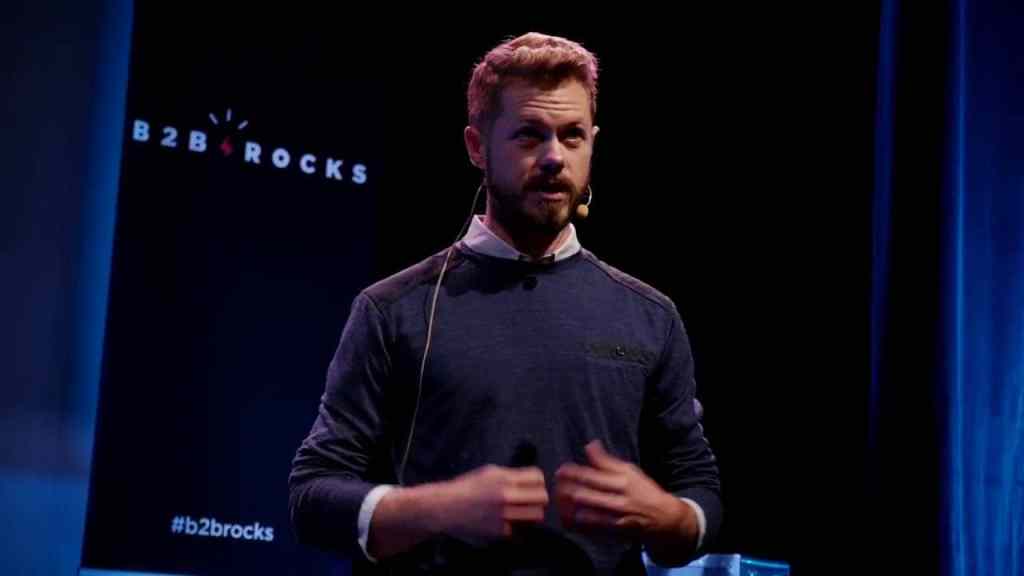
Tyler Tringas decided to make the shift to starting his own company after a couple years working for a startup and Bloomberg. He initially set off looking for a technical co-founder and after failing to find that person, he slowly started teaching himself to code.
His first sompany, Solarlist, didn’t catch any traction, but during this time he kept freelancing and using it as a platform to get paid to learn by bidding for web and coding gigs.
One of his freelance gigs was to help a company build a store mapper of where to buy its products in retail locations. While building it, he realize it was not so striaghtforward a process and might be a good idea to turn into a business. On a flight to Buenos Aires he coded a minimum viable product, landed, went to sleep and the next day realized he had something that could work.
However, before he could sink his teeth into building it into a business, he wanted to get himself out of debt (from his first company) and lower his cost of living. He moved to Thailand and after setting himself up, he shifted his focus that year into building it into a sustainable business.
After optimizing for the health of the business, he started taking a page from four hour workweek and reclaim his time by automating processes and giving more responsibility to the team members he had hired. However, the process to figure that out was more “trial by fire” has he put it. Over the next 18 months, he slowly figured out how to run the business without much of his time committment.
He wasn’t set on selling his company, but ended up finding a buyer who met his terms. As he transitioned away from the company, he started reflecting on how he might have made his own journey easier and what kind of financing vehicles could make that possible - the start of the idea for Earnest Capital.
Building on his unique background in finance and startups, he was determined to create an investment structure which might enable solo founders or small companies build companies that don’t have the pressure to scale and can build “calm” companies (borrowing the lanugage from basecamp). He’s created a one-page term sheet that he crowdsourced feedback for and a simple model around supporting bootstrappers who want to build “profitable, growing, calm business with happy customers and healthy employees.”
Related Links:
Transcript
Tyler Tringas is an entrepreneur and traveler. He's started two companies (one worked!) and now is founding Earnest Capital where he wants to help companies avoid going into $50,000 of credit card debt (like he did) to start technology companies.
Read the full transcript
Paul: Today I'm talking with Tyler Tringas. He is a self-taught web developer, hacker, and traveler, and has recently launched a company called Earnest Capital, which invests in bootstrappers and helps them build profitable growing income companies. Welcome to the podcast, Tyler.
Tyler Tringas: Thanks for having me, Paul.
Paul: So I'd love to just go back to early in your career. It looks like you went to a big state school similar to me and then went on somewhat of a traditional path. Covering clean energy, working in a typical, I'd say, big company analyst type position. What was your mindset at that point? Were you thinking about getting into startups or technology at that point, or were you just trying to think about the next job?
Tyler Tringas: Yeah, okay, so I ended up in a fairly traditional job at a certain point, but I don't think my my actual pathway into it was traditional. I mean, I often tell people now, I've still never applied for a job since I worked at a restaurant in high school. So I did an internship with this startup consultancy called New Energy Finance when I was still in school and I went to London and we had this combined semester study abroad where you could just do an internship for the whole time, and so I worked for them basically for free as a kind of analyst. I mean, they were sort of a startup McKinsey, right? So they were doing this kind of management consulting, but it was still a really tiny, scrappy startup, and then when I went back for my last semester of school, they kind of said, hey, do you want to keep doing some freelance work for us?
And I did, and then when I graduated, I didn't really apply. Like, I love the work, and you know, they hired me. I think I was like the maybe the 5th person in the US because they were based in Europe. They were probably maybe 30, 40 people in total, and they just kind of had a no-brainer job offer for me, and I took it. So I moved from Florida to Washington, DC. And yeah, I mean, it was a little bit of a rocket ship.
You know, the company grew like, I would say, probably 300% in the next 2 years. And then we were acquired by Bloomberg, and I ended up moving from at that point probably a 200-person company to I think 11,000 people or something like that. So, it started off in startups, although, you know, it was different than traditional sort of technology startup kind of environment. It was— the day-to-day work wasn't quite so cutting edge. We were still doing investment analysis and basically writing and doing spreadsheets. Through that whole time, I wasn't really thinking about technology or really the traditional startup world.
I had a degree in economics. This was a fairly sensible transition. And when I was in at Bloomberg, the sort of natural progression for a lot of folks in my role was to go to this sort of— we were sort of analyzing the market, so the next move is to kind of move into the market. In that case, it was two categories. It was sort of project developers, basically people who build assets. So we were looking at clean tech, solar and wind.
So there's a bunch of big companies that raise a bunch of capital and build that stuff. And then there was the other side of that, which are the financiers. And I started interviewing for a bunch of those jobs. And as I kind of interviewed and got higher and higher up the food chain to the people who had been there for 15, 20, 25 years, I realized like I less and less wanted to be those people. The further up, it kind of, it kind of realized like, okay, I don't think this is for me, um, because I don't want to be these guys who have done this successfully for 20 years. So I should probably look at something else.
And, um, I sort of had started like reading a lot of the stuff that a lot of folks were reading. This was 2011, I think, and Lean Startup was out and 4-Hour Workweek had been out for a long time and all that. And I basically just I kind of quit my job. I had a sort of vague idea for a software startup and decided that that's what I was gonna do, so.
Paul: That's pretty fascinating. So did you take any steps before you quit your job or did you say, maybe I'm gonna start learning to code? What was your game plan around that?
Tyler Tringas: Yeah, I mean, a little bit. Mostly the answer is no, I did not have a game plan. I tried, so I was learning to code a little bit. I didn't really intend to learn to code in the sense of that I thought I would be building my own product. I definitely had in my mind that I would need to find a technical co-founder, but I wanted to still learn enough to be dangerous, right? So I had kind of learned in my previous job, learning about Excel macros and stuff like that, that that like even if you have someone who's really good at that, that you're working with, like not being a total idiot about it is really, really helpful, you know, to sort of— so I was doing that, but you know, it was one of those things where I kind of really, I really liked my job, or I like the day-to-day of doing my job, even though I kind of knew it was time to move on.
And so I really struggled to, to sort of keep it at— to keep a side hustle going, right? There's something about like, I always worked a lot in my job. I was working, you know, probably 60+ hours a week because I just enjoyed it. And it was hard for me to kind of squash that down to make enough room for kind of this transitionary work that would— so I just kind of went cold turkey and just quit. Yeah.
Paul: So yeah, I'm always a bit scared skeptical of that advice. Oh, just find a side hustle and try and slowly move into your next role. Right. The problem with that is I think a lot of people are in roles where they're either marginally crushing some of their creativity or they just want to relax after working like a full day.
Tyler Tringas: And yeah, it's hard to not put your all into this thing that you're spending most of your time on. I feel like, you know, I think people naturally, like, if this is your main thing, you want to be good at it. If you're remotely driven or ambitious, it's very hard to switch from trying to be the best to half-assing it for a little while. I think there's this— I love that insight because I think there's this sort of meta version of that, which is so often you see people who have achieved, let's say, any degree of success, right? A lot of people much, much more successful than me. I'm not trying to say that this is what I'm doing.
that they tell the story of how they kind of got from A to B and then they sort of laugh and say, "Ha, but I did this and this stupid thing and you should definitely not do that." And then it turns out like most of the people who are successful do this stupid thing and all of them are there saying like, "Yeah, that's what I did, but like don't do that. That's a terrible idea." It's like, I don't know, maybe you should do the stupid thing.
Paul: Yeah. Keeps this narrative alive that there can be this clean, like, straight upward path, which I think holds a lot of people back because they— everyone who starts creating something inevitably feels like a fool at the beginning of that journey, or it does that stupid thing very quickly, and they're like, ah, I'm probably just not cut out for that. So your first, uh, company was SolarList.
Tyler Tringas: Yeah, so I quit my job. So my job was sort of analyzing the renewable energy markets, one of which was solar. And in 2011, you know, this is when in the US at least, it had been going on in Europe for quite a while, but in the US, solar was really starting to take off. The cost of making these solar panels had finally come down from a sort of non-crazy amount. And it was a sensible decision for a lot of people to switch their homes to solar. But the process was really, really hard.
It was still this manual process. You'd have to like fax in copies of your utility bill in order to get financing for it. Some people would have to come to your house like 3 or 4 different times. So sort of had this idea that, you know, you could, you could use software to make that process much more efficient. I wasn't quite sure which part of the process we would tackle, but that was my, my kind of hunch. Was to dive into that market and try to build software to make it easier.
And yeah, so I formed SolarList and SolarList was, you know, the first challenge was the classic, the now classic, although then it wasn't quite so obvious challenge of finding a technical co-founder, right? So this was right in that transitionary period where 2 years ago people were, you know, finding a developer on Craigslist and, you know, giving them 2% of the company to build the whole app, either There are all these stories, and so I was like, "Yeah, I'll find a technical co-founder. I'll just go to some meetups and find—" And that was like a year-long process of several sort of failed attempts to solve this problem of how to build a software company that eventually culminated in me just teaching myself to code and building the first version of the product.
Paul: So is that what you were doing in that year? Basically putting your head down and starting to learn as you were, as the idea was evolving?
Tyler Tringas: Yeah, I mean, it was sort of 3 big failed attempts at, you know, first I went out and just tried to sort of like raise an angel round with a PowerPoint deck, right? Which, I mean, now it sounds stupid, like almost no one does that, but I mean, then it was not crazy to just kind of have a deck and say, look, I need $300,000 to $500,000 to hire a couple developers to build this for me. And so I started doing that and I probably spent 2 or 3 months trying to get that off the ground and kind of got some half-hearted commitments, but just didn't really kind of crack it. And so then I spent a bunch of time with this agency that was kind of saying they were going to develop it kind of on spec for equity, which that some people have done successfully, but it's a really fraught process. And that kind of burned like 3 or 4 months that ended up just not working out.
And then I went and recruited a CTO who was really talented, but we just didn't have the right sort of founder fit. So we kind of started working together for a couple of months, built some prototypes, built some code, kind of got a little bit there. But just, it quickly became obvious that we were not a fit to be co-founding a company. And instead of kind of turning it into a catastrophe, we just kind of called it quits. And that was like almost a whole year of just like starting back at square one.
Paul: Yeah. So during that time, were you starting to freelance as well?
Tyler Tringas: A little bit, yeah. I mean, I started off freelancing in kind of my old job. So I did some consulting work for renewable energy companies. I did that kind of right after I quit, so at least I kind of had a little bit of a soft landing quitting my job even though I didn't really have anything lined up. I had a bunch of people that I knew would probably pay me for consulting work, and so I kind of coasted through that for a bit and then wound that down while I was going through all this kind of stuff. And then throughout the whole time, I was continuing to teach myself a bit about programming.
And somewhere in there, I forget exactly when, I started just freelancing actually because I just found it as a way more motivating way to learn to code. I would basically go on Upwork and stuff like that and just bid for jobs that I didn't know how to do. I would get them and then I would get paid to learn how to do it.
Paul: It's not a bad strategy. I tell people at its best freelancing can just be a way to get paid to learn. But I think people are often scared to bid for those projects. They don't know what to do.
Tyler Tringas: But I mean, the worst case is you give the money back, right? So exactly, you know, I feel like as long as you keep the jobs kind of small, you don't tackle some enormous project that you have no clue how to do. The worst case scenario is, you know, you just refund the money, you know, so.
Paul: And where did the idea for StormMapper come, and when it first kind of showed up maybe in your brain or kind of slowly emerging, did it feel like a company that you might end up building?
Tyler Tringas: No, I mean, it didn't feel like a company. So the second half of the SolarList story is that we did finally kind of get some traction. I basically taught myself to code fully, built the first version of the product, brought on a good friend as a co-founder, and we raised a sort of small angel round. Then we sort of continued the trajectory there, but started to kind of fizzle. So we kind of realized that we needed to raise a proper multimillion-dollar round to execute on the business plan that we had, and just were out there fundraising trying to get it going. And eventually the business failed because we just couldn't raise the money for it.
We sort of had boxed ourselves into a business plan that needed, you know, $3 to $5 million, and we just sort of failed to raise that, but that took a long period of time to sort of, you know, it's hard to know when to stop fundraising basically, because it's always like, you could just meet that one, you know, high-profile VC that gives you the green light and then you close the rest of the round, you know, the next day. So I had started freelancing kind of more and more and more to try to extend my like personal runway. Basically, I was massively running out of money. I was kind of racking up credit card debt. And so I was doing this stuff kind of on the side of my like 60-hour week trying to get the startup off the ground to just kind of accumulate some cash.
And I was thinking, you know, well, this is really tough trying to like work at an hourly rate while I'm trying to do this startup. So what I really want is a side project that has recurring revenue that will give me this kind of much longer runway and then I can finally get SolarList off the ground. I was kind of thinking about that, you know, in general in the back of my mind everywhere I went. I was like, how could I build a little side project that would get some recurring revenue? And, um, and that's kind of where the idea for Stormapper came. So I had a bunch of clients on Shopify.
I was doing just front-end, back-end development work for them. And, uh, just coincidentally, a couple of them asked me, they said, hey, we need a store locator. We just opened with a big distributor. We're in 500 locations in the southeastern US. We need to tell people where to buy our stuff. You know, it's like, okay, okay, I know a store locator.
Kind of like dug into the tech under it, JavaScript, Google Maps, stuff like that. I was like, oh, this is kind of complicated. You know, I think this might cost you like maybe $2,000, you know, at my freelance rate to build it entirely from scratch. And they were kind of like, okay, No problem. I was like, oh, okay, I see there's a willingness to pay here. And so, I kind of just specced out a way to productize that.
And so, instead of paying a developer to do it as a one-off custom thing, you could just kind of drop in and do it. And then, I had a long flight coming up. I flew from San Francisco to Buenos Aires, Argentina. I decided I would just bash out a minimum viable product on the flight. That's what happened. I mean, I literally started the codebase from scratch on the flight and I landed, went to sleep immediately, and then I launched it the next day and we had 3 or 4 paying customers within 36 hours of starting the codebase.
Paul: So you described your company as not a startup, a healthy growing internet small business. When did you first realize that there might in fact be a difference between what everyone's talking about startups and what you were actually trying to do?
Tyler Tringas: Yeah, it's a good question. So the trajectory of StormWrapper for me was, you know, it was still this kind of side project to the the proper startup for a while. By the time that I finally had to sort of call it on SolarList, which was basically because I literally ran out of money. I mean, I've published this before. I had like $50,000 in credit card debt. I was living in Brooklyn, still trying to, and I was like unsure about how I would pay next month's rent basically.
And so I had to just like call it, moved out of my apartment, flew to Thailand where I knew I could live super cheaply and I had I think about $1,500 a month in recurring revenue from StoreMapper and I knew I could freelance. So I just kind of— that was where I called it and said, "All right, I have to start digging myself out of this hole." And it took about 6 months for StoreMapper to basically generate about a full-time income for me. I think about 6 months after that point. It was doing about $80,000 a year in revenue. Most of that I could put in my pocket because software companies, when you're just running it all yourself, it's like 95% margin. So, so that was the kind of point where I realized this could be something just different than anything I'd considered in the context of, you know, software companies that it, you know, it could just kind of grow steadily.
I could, I I could hire some employees and I could basically build something that looked a bit more like the kind of 4-Hour Workweek style kind of a business. And I guess that's when I sort of set the plan in motion right there to start. First, I was going to just grow it to be big enough that I could hire employees and then the plan was to start to stop optimizing for revenue and start optimizing for like reclaiming my time. So, what I wanted to get out of this business was to basically have time and location independence. And I thought, at that point, it was possible that I could live wherever I wanted, I could sort of travel, and then I would solve the problem that I had several years ago, which was that time wasn't on my side, right? I couldn't work on this startup indefinitely because I didn't have anything that would pay the bills if I wasn't dedicating my attention to it.
Paul: Were you getting a lot of pressure from people to build it into something that was, I guess the word would be scalable or just bigger?
Tyler Tringas: No, I mean, there was zero pressure because I hadn't raised any capital at all, right? So, I mean, you know, I was able to just do whatever you want. And I think that's, you know, One of the reasons why you see a lot of the creativity around, you know, how to run a business, around, you know, remote businesses, around profit sharing, around, you know, calm companies from people like Basecamp and stuff like that, you see that almost all these companies are bootstrap companies. And the reason is that, you know, once you kind of raise capital specifically, like venture capital, you really are kind of like, locked into staying within the rails, right? There's a lot of incentive and a lot of pressure and a lot of legal obligation not to sort of just do these kinds of experiments.
And when you don't have any outside investors and you have revenue coming in from customers and you're profitable, kind of do whatever you want. It's a very low-pressure situation.
Paul: So we'll definitely dive into some of that. A little later when we go into Earnest Capital, which I'm pretty excited about just seeing models like that. But yeah, so your journey with StormMapper, it's growing, you get it to a stable point. I also read that you kind of achieved the 4-hour workweek goal. You got your workweek down to 5 to 10 hours a week and were running it remotely. Where When did you start to realize, okay, maybe there's something else I want to be working on and the goal is not just to have all this free time all the time?
Tyler Tringas: Yeah, I mean, well, I think I knew, I never thought that I would try to reclaim my time in order to just sit around and drink beer on a beach. Yeah, I mean, it was sort of right around the time that the game plan sort of was executed. It was maybe the first time in my adult life that I had sort of planned something several years in advance and it actually happened. But, you know, once I'd sort of built up a really awesome small team, you know, and then we spent a good amount of time, you know, really kind of dialing in some of the processes and workflows and, you know, delegating as much as I could to the team and really empowering empowering them to run the business as much as possible. And then what happened was my then girlfriend, now wife, and I took a year and almost a year and a half off. So she took a year and a half off of work and we just traveled.
And so we were going just kind of all around the world, like hitting all of our— we love to travel. And so, but we just decided to go all out and we hit everything from like East Africa and Mozambique to Fiji and Bali and Japan and Mexico, and we just went India, everywhere. That entailed several pretty intense trial by fires for the team where I was just like, "Well, I'm going to go hike Kilimanjaro, so I'm going to be offline for 8 days. Good luck." It worked. They were great and they handled it totally fine. Realized that the business could run on its own.
And at the same time, I was kind of playing with like how do I— with growth and trying to figure out like how to make it grow more and could this be like a $20 million or $100 million company. And I just kind of couldn't find a— the way I described it was there wasn't like a gas pedal. Like I couldn't find that thing that you press on it and more growth happens. It kept growing. But it just kind of only did what it wanted to do. I couldn't really make it grow faster.
So I realized there was really diminishing returns to focusing my time and attention on it. And then I needed to— or I felt like empowered to just move my attention elsewhere. I realized this wasn't the best use of my energy. And so— go ahead. Yeah. Yeah.
Paul: What were maybe one or two of the lessons you learned just from running that remotely? That you might even tell other people who are thinking about running or are running remote companies now?
Tyler Tringas: I think one of the things I learned is just like, you know, how to sort of build a system. I mean, system is almost too grandiose. It's just like a series of loops where you're just continuously trying to offload yourself as the bottleneck on decisions. So, and this is a function of of getting revenue to a certain point. So, you know, some people try to do this prematurely when they, you know, they don't have the kind of margins to hire good people who can do the work. But as soon as you kind of get your revenue to that point where you can afford to hire people who are smart, you need to really aggressively just at every point, like, think about, okay, I'm deciding this right now.
Do I need to be deciding this? Can I like, write a little internal decision tree or can I just delegate this or can I say, look, any decision like this that is under $500 of consequence, like you decide now, you know, like, and just be constantly, you know, running those loops and removing yourself as much as possible because, you know, it turns out to be good for you, good for your employees, good for the value of the business. You know, there's just no downside to getting yourself out of this stuff as as much as possible as the business owner. So that's one thing I learned for sure.
Paul: Yeah, and how did some of your, the people you hire react to that? Were they a bit scared at first when you were telling them, okay, just make the decision?
Tyler Tringas: No, I think they love it. You know, I mean, the way that you always frame it is like, I trust you to make this decision, right? Like, you know, you gotta be, I think you have to frame it the right way. You don't want to say like, stop bothering me with this stuff. You know, like, like, like, like, why are you asking me these dumb questions? It's like, no, no, no.
You're just like, look, I hired you. You know the work, you know the systems. I trust you to make this decision. Here are the parameters in which you have full control. Here are the areas in which you should, you know, bring me back in. And I think people absolutely love that.
I would say the other thing I learned was, you know, and I think I kind of retroactively learned this from watching the guys at Basecamp who I think have done an amazing job of this, is how you kind of need to, like when you're doing remote work or calm work or whatever, you can't just kind of jam it into otherwise normal processes. It has to really drive everything about the company. You know, you have to reorient everything from, you know, how you promote people and decide compensation, right? Like if you're not going to judge how hard people are working by how much they're sitting at their desk, you know, not doing stuff, you have to change that because you're remote, you're calm, you know, you don't, you don't generate your value as an employee by like sweating hard and putting your butt in the seat a long time, you know, and you have to, you have to change that, right?
So every aspect of your company has to be sort of architected in a strategy around, you know, remote, asynchronous, calm, everything from how you hire people to the the way that you incentivize them to how you deal with customer support inquiries and stuff like that. So, right.
Paul: Yeah, I'm not sure there's a better company than Basecamp just in terms of basically starting from scratch with everything they're doing and saying, why are we doing this? Why does it matter? And how do we build this into an organization we actually want to be a part of? It's, uh, it's fascinating and The sad thing is I just don't see, I mean, you're starting to see some other companies, but I just haven't seen any that are going to the commitment level that Basecamp is just to build that comm type of company.
Tyler Tringas: Yeah, exactly. And, but, you know, they're doing a great job of it, and it's easy to underestimate how much you need to think about this. So, you know, even stuff that, you know, you'll see a competitor building a feature and you need to evaluate like, is that feature something that we can support as a comm company? Right? You know what I mean? Like if this is a mission critical feature that if it goes down, you know, so in StormAmper, like we would look at certain features and realize like, I don't think we can do this because we have this incredibly robust sort of caching system that makes our, the front end facing critical stuff extremely robust and very unlikely to go down because we don't want to be taking calls.
We don't want to offer 24/7 support. If this feature is going to make us actually a lot less robust over here and increase the risk of some downtime at 4:00 AM, we can't do it. It's not how our entire company works. Yeah, that's fascinating.
Paul: I think this is so challenging for companies. If you have a feature that's going to make you more profit, make your customers happier, maybe your investor is happier if you have outside investors, but your employees miserable because of the requests they have to deal with, most companies are still going to implement that feature. And it's, uh, and I mean, hopefully new funding models like what you're working on can help transcend some of these, uh, incentives. But it's, it's tremendously hard what people are trying to do in terms of, uh, building commer companies. Mm-hmm, totally. So at what point did you become, uh, interested or involved in Mapdia?
Tyler Tringas: Yes, so probably about 3 years ago I started, um, connecting with the folks there at Mapdia. So I, once I had sort of gotten StormMapper to a point where it was basically generating a very healthy full-time income, much more than I was spending and also not really taking up most of my time and attention during the week, I started consciously looking for what was next. I started thinking about selling the business as well or running it, but I said, okay, rather than kind of just knee-jerk sell it, I'm going to spend some time figuring out what I want to actually do with my time, which I think is something that A lot of folks who sort of sell their business because the opportunity kind of hits them or whatever and all of a sudden they're faced with like, "Oh God, now I have nothing to do. What do I do?" It's really jarring.
So I wanted to just sort of consciously start that process and I started with the premise of, you know, what— like, okay, one thing that's unique about me right now in this moment is that I don't need to make money from what I'm putting my time and attention into. I said, "How can I do that?" Right? Money didn't matter and what was an opportunity where I could add value. And on top of my adding value, the fact that I didn't need to get paid was like, you know, some unique value proposition. And I started looking at, you know, obviously something about nonprofits and stuff like that, right? Stuff that has difficulty attracting very talented people because they're just not making enough money to pay those people.
And so I just started looking for stuff that was just doing good in the world that I thought was impressive and that I would want to help. And so that's where, you know, MapTIA, I was just an avid reader of it for years and really loved what they were doing and kind of sent them, the founders, like a cold email just saying, hey, you know, I'm this guy, here's what I've done. Like, you know, I'm looking for ways to spend my time. You know, can I just help in any way that I can? And they didn't respond at all.
Paul: They're like, who is this guy looking for a free internship or something?
Tyler Tringas: Yeah, I mean, honestly, I think they were just so busy that you get these emails, it's just like you don't even have time to sort of process it. But yeah, that was part of a process of, you know, I really went through and I experimented with a ton of different ideas about what to do next. And I was kind of like, there was this year where I was just like, berating my friends who were very patient with me and being like, "What if I did this? What if I did that?" I emailed these MapTIA folks twice and then by total coincidence when Anne and I were on this trip around the world, I was hanging out in— we went to Ubud in Bali and my wife did a yoga teacher training for 6 weeks there. and I was just kind of hanging out and working from the coworking space there, Whoopood, and I can't remember now how I knew this.
I can't remember if someone there mentioned it or if I saw it on Twitter or whatever, but basically I realized that like the co-founders of MapTIA were also in the coworking space. So I emailed them, I was like, guys, I'm pretty sure we're in the same coworking space. I'm going to walk over and say hi, don't be freaked out.
Paul: That makes it easy for them. Then they don't need to put any work into following up with you.
Tyler Tringas: You can just arrive. Yeah, yeah, yeah. So I just kind of walked over and just offered to help in any way that I could.
Paul: That's fantastic. And as you were doing that, you also started thinking more, or at least over the next couple of years, of maybe I could consider selling this Storemapper. And we don't have to go into the full details. I think you have a pretty awesome write-up I can link people to. But how were you thinking about that? And then maybe the first times you were thinking about— or I don't know when you started thinking about Earnest, but be interesting to hear what your mindset was at that point?
Tyler Tringas: Yeah. I mean, the way that I thought about selling the business was pretty succinct. My job was to make it so that I didn't need to sell the business. I think the worst way to sell a business is when you have to, like you're burnt out, you're working 80 hours a week and you finally just say, "Screw it. I'm selling this thing." You want to be at the opposite end of that spectrum, which is to make running the business as if not enjoyable, as not unpleasant as possible to where you are just perfectly happy not selling the business and running it indefinitely. And then you can go into a process of selling the business with this sort of like, hey, look, you know, if the offers are good enough and look interesting, you know, then I'll take it.
But honestly, I'm perfectly happy to sort of walk away and keep doing what, you know, keep staying with the status quo. And so that was kind of the way that I went through that process was, you know, I kind of made some active efforts to reach out to a couple of folks. There was, because I'd been super transparent about, you know, I had the public dashboard with all of our financial metrics and everything, there was kind of already a constant stream of people inquiring about whether they could buy the business. And so I started to just kind of just kind of lean into that process a little bit and say, all right, let's get some real offers here on the table.
Let's do some due diligence and talk to a bunch of people and kind of all the while, like making sure that my plan B was as good as possible, you know, that we kept running the business, kept growing it, kept making sure the team was happy, you know, and then at the end of the day, we got probably about 5 serious conversations, had 3 serious offers, and then ended up selling the company to SureSwift Capital. Capital, which is just like an awesome group of folks based out of Minneapolis, and they basically just buy businesses like mine and continue running them. And so, StoreMapper continues running among their portfolio of like 30 different companies like this. Yeah, I mean, one of the amazing hires that I had, Iris, she started off as like the tier 1 support person, and now she basically runs the the company.
She runs the product within SureSwift, you know, what used to have been the entire company, and it's just still cruising. So it was a great outcome. And then basically one of the partners at SureSwift who acquired the business for me, Kevin McArdle, and I had sort of started brainstorming around, you know, How could we make their, like, you know, this, the story of that happened with Stormapper, like, it was a great outcome for everyone, you know, including SureSwift, including me. And we're just sort of thinking about how can we make there be a lot more of this, right? I mean, there's this huge center of gravity around startups and technology, which is the venture-backed world. Once you raise your first round of VC, this entire universe of kind of bootstrap startups and building something like Stormapper becomes impossible, how can we build a bigger on-ramp to businesses like this?
And we pretty quickly started to think about, you know, is there an accelerator or a fund or something that can help people through the really challenging part of bootstrapping, which is that first slog where you have this product, you know it works, but it just doesn't pay your bills yet. And so, yeah, so we started Thinking about stuff from there pretty, pretty early on.
Paul: Yeah, it seems like you oriented Earnest around helping people take that leap or at least help them go from something that is at least showing some signs of potential success and saying, okay, this is something I can commit to think about as a job for the next 6 to 12 months and actually go into it. Are you finding that there are a lot of these type of companies and that really taking that leap is a, big barrier for people?
Tyler Tringas: Yeah, it's a huge barrier, and there's a ton of people, there's a ton of entrepreneurs doing it, and our bet is that there's massively more talented people with great ideas for whom this is a sort of insurmountable barrier. When you kind of start to talk to a bunch of folks who've successfully bootstrapped a software business, because you look at my story and it's like, well, I took out $50,000 in credit card debt, fled to Southeast Asia, lived off of $500 a month for a while. This is impossible for so many people. I mean, if you have kids, if you have a mortgage, if you have something like that, I mean, that's impossible. I feel like I definitely leaned on my privilege a bit in the sense that I always felt like I could, if it all kind of, you know, like went to crap, like I could easily get a job, you know, I was super employable.
Now I could code and I'm just like white guy from the US who knows how to code and knows a bit about finance. Like I'm going to get a job, no problem. Right. But a lot of people don't even have that kind of backstop. And so this is a really big barrier. But when you talk to people who bootstrap businesses, like it's always something like this.
Like you so rarely meet someone who just like calmly executed on this plan and just kind of like step by step move through it. It's always like, yeah, there was this time for 2 years we were living in our parents' basement, or we saved up $100,000 and then we spent all of it and we're just down to our last dollar and we finally got a big customer. It's just crazy. I just feel like, I mean, that's great. It's great that that worked out for them, but there's no inherent reason that it has to be this difficult to build these kinds of businesses. I think about most entrepreneurs that I know from a generation or two ago, it's like you didn't do this insane thing to go and open a hardware store or a donut shop or something.
You kind of like went to the bank with a business plan, they gave you a loan, and you opened your store, right? And that was like the main way that you became an entrepreneur two generations ago. And there isn't a version of that for these kind of software companies. Because they don't have a lot of assets. So you can't go get a loan. It's easier to get a million-dollar loan to open an Arby's franchise than it is like $100,000 to build a software company or a location-independent company because they're not going to give you a loan.
If you default, there's nothing for them to get. It's like your code and the domain and whatever. And so if you are a person who has a business idea, that is sort of tech-ish, and I think that more and more increasingly all companies have some element of software or tech to them. If you like that kind of company, but you want a little bit of capital early on to just get you started, you don't want to raise $100 million and try to be a $10 billion company, but you just need that starting capital, there's no good option for you. There's nothing at that early phase, and so you end up with people creating all these kind of crazy ways to kind of navigate that, that gap. And, and we sort of thought, well, there should be a better way that, you know, is okay with the rest of the trajectory but helps you navigate that, that early phase.
Paul: Um, why, why hasn't this been started? I mean, why hasn't a VC firm at least put some money aside and said, let's innovate in this space? Is it just that the opportunities in VC-backed companies aiming for the moon is just too big to pass up and this is not just not gonna— it's gonna be a rounding error for these type of companies? Or, I mean, why hasn't this happened yet?
Tyler Tringas: Well, so to some extent it has happened a little bit. Um, so there's been one or two companies, um, in the space, and so we're definitely not the first people to have something along the lines of this idea. So the most Well-known one is NDVC. So this is exactly what you just described. They were O'Reilly AlphaTech Ventures, a standard-issue venture firm, and they kind of saw this opportunity of these kinds of businesses and they carved out a bit of their current venture fund to experiment with this kind of sub-brand NDVC and on these, these terms that were more aligned with kind of profitable companies. The good thing is that this is a huge opportunity.
It's much bigger than the entire venture, right? Because venture is this very niche little thing for, you know, 1% of all businesses, and there's dozens and dozens of firms. And so you've got kind of a tiny handful, a couple of firms trying to experiment in this space, and there needs to be hundreds of them for this opportunity. But to answer your question of like, why aren't there hundreds of firms, it's that Basically, venture capital has this basic sort of math to it, which is called the power law, which says essentially, most of your investments are going to fail. And then, there's this sort of like 10% or fewer of all your investments are going to be the huge outlier investments, and that's where you're going to generate all of your return.
And this drives essentially all of venture capital these days, which says, You need to invest in these companies that are going to be worth the biggest possible because that's how you're going to get all of your return. You know, if your one big company decides to sell at $250 million because the founders are going to pocket $50 million and that's going to be awesome, but you only get a 10x return, you instead want them to push, push, push, push, push so you can get a 50x return because it's got to make your entire fund work, right? And so this math just pervades the whole industry. And they've all raised their funds and they raised their 3 funds ago funds and they just can't say, well, actually, like this math is not that, is not right. They just, at this point, they literally cannot do that.
And so we have this kind of fundamental bet from knowing all these kinds of bootstrap companies, which is just like, if you're kind of backing these different types of companies that are focused on profitability and sustainability and sustainability, meaning like keeping the company alive versus grow fast or die trying. If you have these kinds of companies that have these priorities and goals, they fail a lot less often. So even if you don't get 100x in your portfolio, you're going to get a lot more just nice successes, right? It's doubles, triples, and singles instead of strikeouts and home runs. And this is the knowledge that we bring coming from the bootstrapper world instead of coming from the world of venture-backed startups.
Paul: Yeah. So is your bet here basically that the odds of success are much higher except the returns? I mean, they potentially could be as high as possible. They're still software businesses, right? But the returns are probably lower across a higher number of successful companies. And then hopefully you're trying to mentor and coach and connect and add value as well to boost the percentage of companies that are going to succeed.
Tyler Tringas: Yeah, I mean, you're totally right. There is no ceiling, right? And you have companies like Atlassian, right, which were essentially bootstrapped to be billion-dollar companies. And so there isn't any inherent reason why these kinds of companies have to be smaller. But, you know, when you are prioritizing sustainability of the business, profits, employee health, customer happiness, those kinds of things, you do, I think it's naive to say that you're not sacrificing any growth potential, right? And so we want to sort of acknowledge that, that that's okay and we're aligned with that and that's going to be fine for us and fine for the founders and everyone's going to be okay with those outcomes.
But yeah, we do have this basic bet that these businesses, you know, fail a lot less often. And it makes intuitive sense, right? I mean, when you raise a Series A of venture and your Series A investors are telling you, okay, you've got 18 months of runway, then you need to raise your Series B, and to get there, you need to grow, you know, 400% over those 18 months. And if you don't grow 400%, you're not gonna be able to raise your Series B and your company is gonna die. So, you need to grow fast or die. It's obvious that— Well, I mean, it's obvious.
Look, it's a good fit for some people. Some people, that's the way they want to run their company. And I am not on the anti-VC train. I think it's a very niche arcane financial instrument for a small subset of humans, and they should do it. But it's obvious that that makes your company riskier and more likely to fail. It makes it more likely to be a billion-dollar company, but it also makes it much more likely to fail.
And so our bet is just to kind of switch those around and to say, "Hey, we want to back calm, profitable companies that do the opposite of that." Rather than saying grow fast or die trying, it's like stay alive and grow as much as you can, but stay alive.
Paul: Yeah. So you explicitly say in pretty much everything you're writing, profitable, growing, calm businesses. With happy customers and healthy employees. I love how you're framing that, especially adding the healthy employees point. How are you thinking about balancing these metrics, whether you're measuring it or how you're looking at it with the companies you're going to be working with?
Tyler Tringas: Well, so first of all, I mean, everything in that list, I don't view any of that as like woo-woo charity, like, you know, let's do it because it's the right thing to do, right? So healthy employees comes from an argument that, you know, employee retention is incredibly valuable for companies. And, you know, you see it in Silicon Valley, you know, hiring is— it takes up almost all of the time of every large executive at a venture-backed startup. It's incredibly cutthroat. You know, salaries are shooting through the roof as employees just flop back and forth because they have no loyalty to their company. You know, they just want to get the best kind of compensation package they have.
And it's a huge challenge for those companies. And then you look at bootstrap companies where they're saying, you know, their employees are celebrating their, their 5, 10, 15-year anniversary with the company that keeps them long. That's a huge asset for those companies. And so, so every one of those things I feel like is about making the company sort of more efficient, more sustainable, less likely to implode, and more likely to stick around for the long haul. So that's why we sort of have set those out as values. In terms of how we balance those, I mean, we're not doing any of that.
Like one of our tenets is we're not here to tell companies how to run their business. Our goal is to put our values out there in a transparent way, hope that we attract the founders and companies that are aligned with that, back them, and get out of their way. You know, so there's no micromanaging around how to make sure you have happy, healthy employees and happy customers and all that. We want to be as helpful as we can, and we have a huge roster of mentors that are— that are— well, they are literally invested in the success of your company and will be there for the long haul to help you. But we're not going to tell anyone how to do it.
Paul: I love that. It seems like you're also embracing simplicity too. You kind of crowdsourced a one-page term sheet, which I'm sure bootstrap-type people love as well. How did you go about building that term sheet and just trying to make it as simple as possible?
Tyler Tringas: I mean, so partially I think I was really fortunate to be a little bit of an anomaly in the bootstrap software crowd in the sense that I have this background in finance coming from my work at New Energy Finance and Bloomberg. And so I was very comfortable with the world of finance. And actually, even specifically, I spent a huge amount of my time in that job unpacking a pretty arcane financial instrument that was very niche to the the wind and solar market called tax equity. And so I was just super comfortable with the idea of like, just breaking down financial incentives from scratch and kind of doing that architecture myself.
And so I just first just started with a blank page, you know, and decided, okay, what do I think makes sense to align me, you know, what would I have taken for myself, you know, instead of digging out, you know, doing my my seed round with Chase and Amex, what kind of terms would I have raised capital on? I kind of sketched that out, plugged it into a model to make sure it would actually generate some kind of reasonable returns.
Then I went out and looked at a couple of folks who had released their takes on this, so IndieVC, SparkToro, which is not a fund, but they're a company that raised a round on a kind of different Anyway, a couple of organizations had taken a crack at this as well, took some tweaks at it, and then I was going out there talking to advisors and saying, "Yeah, I think this is going to do really well." They were like, "Well, how do you know that bootstrappers are going to like this?" I said, "Fair point. I don't. Let's put it out there." I just published it and said, "Hey, here's what we got. Send us some feedback." Lo and behold, it kind of sat on the front page of Hacker News for like a day and had something like 10,000 people look at it in 24 hours. And there were hundreds of comments on everything from on Hacker News, IndieHackers.
We even just put it up a Google Doc that was open for comments and there was like dozens and dozens of inline comments in the doc. Really good feedback and it helped us sort of iterate it to a point where I'm pretty happy with it. I think it's going to do well.
Paul: I have conversations with a lot of people who are still so averse to this idea of building a company. I think a lot of it is rooted in this VC-backed idea that you need to build a rocket ship, right? How do you think, and I think this is one of the things that excites me about what you're doing, is that it might spur imagination for people to think about, okay, maybe I'm actually somebody that can build a business. Business, right? I think at least it shifted my thinking a little. But what might you suggest to independent creators, freelancers, people working on their own who might be thinking about building business?
Like, with financing models like this, what would you suggest them to think about, just in terms of ideas, different ways of thinking about bringing things to market or building?
Tyler Tringas: That's a wide open question.
Paul: And I'm sure you'll learn a lot as you go over the next year that probably gives you better answers to this.
Tyler Tringas: Yeah, I mean, well, I think that creators just— I guess I would start with just the premise of don't be afraid of turning it into a business, right? I mean, there's nothing— kind of— you're not taking on any more of an obligation other than just kind of creating something that people want. And there's not a huge gap between putting something out there that gets positive feedback on social media and compliments to transitioning that into dollars that support your work and help you do what you love. I think a lot of people view that as this huge chasm of all kinds of craziness. Actually, it's a pretty smooth transition from, you know, people wanting to support you kind of emotionally and verbally to wanting to kind of pay for your work.
That's not to say there's not pitfalls and pushback and extra pressure once you do that, but, you know, I guess, you know, don't view sort of turning it into a business as this kind of crazy, you know, out-there thing that is only for for, uh, people who went to business school and stuff like that. Anyone can build a business these days, and, um, the tools— everything from, from everything we have on the internet to all these different platforms now— have made it really easier than ever to, to support yourself and your family, um, by doing something that, that you really enjoy. Um, and so I'd encourage them to just, like, go for it in the sense of taking the leap, turning something into— from not a business to a business. And then, you know, using whatever tools and platforms are out there to help, you know, move that forward. And we hope we can be kind of one of those.
Paul: Fantastic. Excellent sales pitch. I hope you guys just spur the imagination for different types of companies. I love the idea of getting more calm companies out there in the world and helping places be places where there can be healthy employees and building places where people actually want to work over the long term. Yeah. What do you want to leave people with to know more about Earnest Capital?
Anything else you'd want to share around the launch?
Tyler Tringas: Yeah. I mean, so after— it's a little confusing for people because we've been really transparent about the process of getting Earnest Capital off the ground. And then I've been telling people, well, we're actually not launched yet, even though we have 15 blog posts outlining what's going on. But, but by the time that this episode goes out, we will either be sort of soft launched or fully launched. So I'd encourage people to go to ErnestCapital.com and, and start the conversation there. We have an application form, which is more just a kind of structured conversation.
So you don't need to have everything dialed in that form asks for to open the discussion. It's just kind of a way to get all that information in one place. But yeah, reach out and say hi. We're Earnest as in E-A-R-N, as in earn, not Ernest as in the person. Fantastic.
Paul: Well, it was great talking to you today, Tyler, and wishing you a ton of luck with Earnest.
Tyler Tringas: Yeah, man. Thanks so much.