Connor Gillivan on entrepreneurship, selling on Amazon and working with freelancers (Episode 15)
Listen Now: Itunes • Stitcher • Google Play • Overcast • Spotify
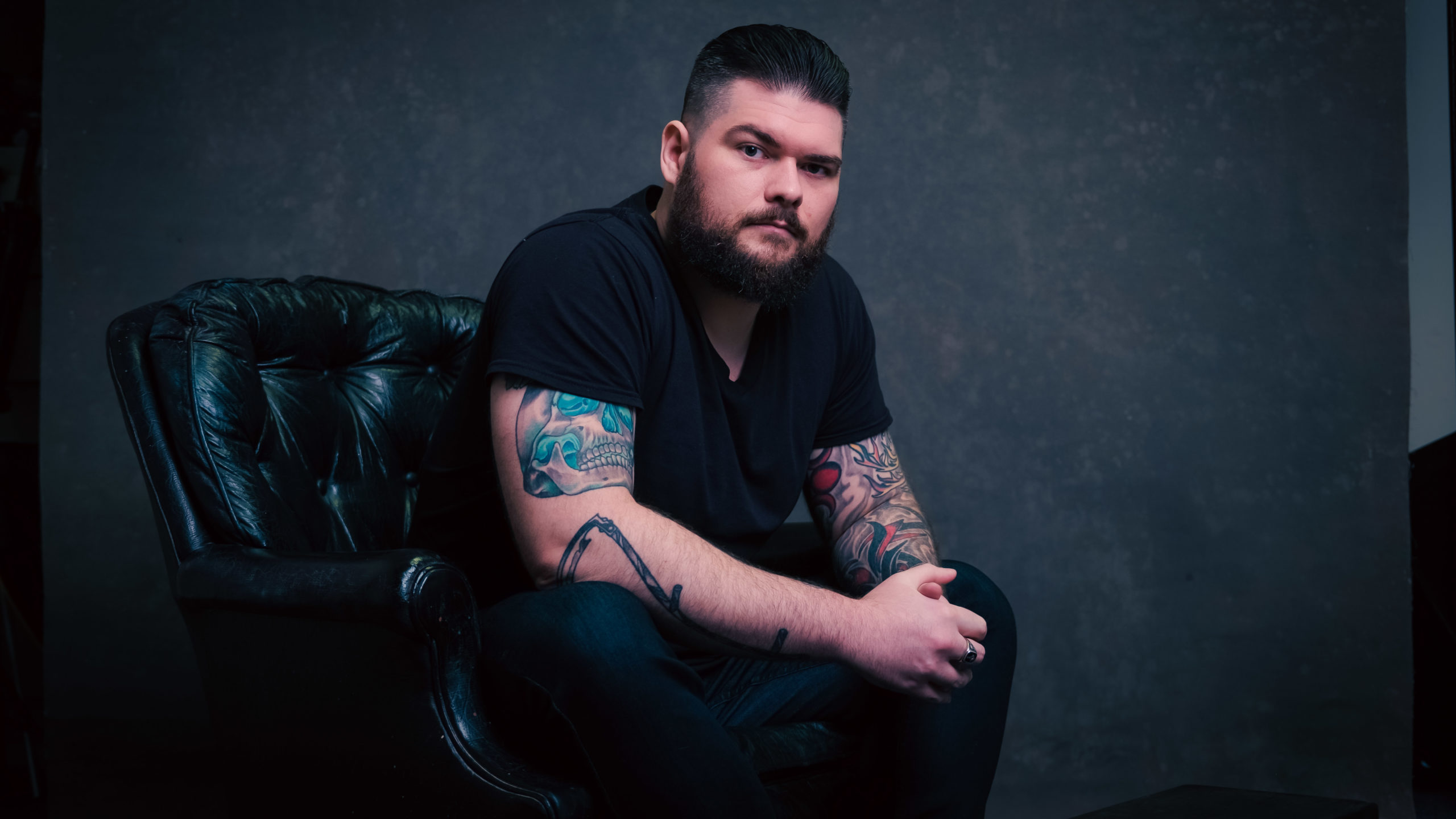
Connor’s path as an entrepreneur began when he was in college via an AIM chat with a classmate in one of his classes. What started as a textbook e-commerce business led him to build a sizeable business selling things on Amazon.com. Through his work on that, he ended up working with many freelancers across the globe on a variety of different projects. Realizing that he had developed skills in recruiting and working effectively with freelancers led him to start FreeUp.com. where he vets the best freelancers in the world and helps companies tap into this global talent pool.
Connor Gillivan is currently a Founder and Owner of OutsourceSchool.com. He was an Owner of FreeUp.net, which he helped scale and was acquired in 2019. Connor is an expert in hiring and scaling with virtual assistants and shares his business insights on his own blog, ConnorGillivan.com. He currently lives in Denver, Colorado.
Podcast Recommendation: Marketing School with Neil Patel and Eric Siu
Connect With Connor: Contact Connor
Transcript
Connor's path as an entrepreneur began when he was in college via an AIM chat with a classmate in one of his classes. What started as a textbook e-commerce business led him to build a sizeable business selling things on Amazon.com.
Read the full transcript
Paul: Welcome to The Boundless Podcast. I'm Paul Millerd and I created this podcast because I'm passionate about making sense of the future of work and having conversations with the innovators, creators, and thought leaders who are carving their path in today's fast-changing world. You can check out the podcast and more on boundlesspod.com. Today I talk with Connor Gillivan, who is the co-founder and CEO of founder of freeup.com. He has been an entrepreneur since college and his path is fascinating because he started building a business selling products on Amazon, figured out how to do all that, but then as he started using more and more freelancers in his business, realized that that was the next potential business he could start. He's really experienced in working with freelancers and now works with companies to help them tap into this market.
This podcast will be really interesting if you're thinking about being an entrepreneur, founding your own business, or how you can use freelancers in any aspect of your work. Shout out to all the people that have been listening. I've appreciated all the feedback and kind words, and keep it coming. Let me know how I can improve it and create a better podcast. If you want to join the VIP Facebook group, to join the discussion and talk about the future of work and carving your own path in the world, check it out in the show notes. Apply, join, join the discussion, share your ideas.
Looking forward to that. And then if you want to support on Patreon, you can do so for only $1 a month, which is pretty cheap. But you can check that link out in the show notes as well. Thanks again and enjoy the pod. Connor, welcome to the podcast today.
Connor Gillivan: Hey man, how's it going? Thanks for having me on.
Paul: It's good. So I'm looking forward to diving into your story. You started carving your own path earlier than most, uh, building an e-commerce business in college. Also led you to learning how to work with freelancers and building a business around that. And super excited to pick your brain on that topic and, uh, where you see things going. So we'll dig into all that, but I'd love to just start with where you were when you were starting college, what you were thinking about in terms of the paths you might take at that point.
Connor Gillivan: Yeah, great question. And I think everyone going into college has their preconceived notions of where you might end up, but, you know, it always changes as you go along. But so I was, I was actually exposed to entrepreneurship at a pretty young age. My first job was actually working with my cousin who had started his own freelancing business. So at the age of 14, I started working with him during the springs and the summers and then breaks during high school and college. And over the years, I saw him build his business from nothing into something that allowed him to buy his first apartment, buy his first home, start his family, get married, and go through all of these major steps in his life, all afforded by his business.
And so from that initial experience, I was always geared towards entrepreneurship. I was interested in it. So when I was going into college, that was definitely an option for me. I was going into a business school to study all the different aspects of business that I didn't know about yet. And so that was kind of a thought. And then, I mean, there was always the thought of possibly going into a corporate job, but it was definitely something I was less interested in.
Paul: Right. Yeah. So you saw different options earlier. What kind of freelance business was he building?
Connor Gillivan: Yeah. So it was a landscaping company. So he was just going around and had clients first just in his immediate area. And if you want to compare it to a freelancing business, he was just pretty much offering his services as a landscaper to these clients, adding on other services as he was growing and then eventually built out a team of people that helped him take on more jobs, helped him take on more projects, and was able to increase his income that way. Got it.
Paul: So entering Quinnipiac where you went to school, really good school, you're entering the business school and I mean, I went to business school in undergrad and a lot of things are just geared towards going to a certain number of jobs.
Connor Gillivan: Right.
Paul: Did, did you have trouble trying to make sense of that where people saying maybe you should do this and kind of questioning what you should do?
Connor Gillivan: Yeah, of course. I mean, like you said, I think most business schools are geared towards placing their students into a corporate job, a full-time job. And then especially as you're a freshman and a sophomore and you're figuring out how to declare your major, they're pushing you towards summer internships as well. And again, mainly within larger corporations so that then that could eventually turn into a full-time job for you. So I had a lot of those influences from the Career Center, from professors, and just from students who were also going down that path. And it definitely had some impact on me, and I explored those options, but I, again, I always kept looking for those entrepreneurial activities that I could get my hands on.
Paul: Yeah, so one ended up emerging. Tell me how AIM played a role in your first venture. Venture starting?
Connor Gillivan: Yeah, of course. So AIM, I mean, it was the best messaging system back when we were in college, I think. And it came up— that's how I actually met my first business partner, who I continue to work with today. So about 9 years later, we're still working together. But we were in the same business law class, sitting a couple rows apart from each other. And I had recently been introduced to him through another group of friends or a mutual friend.
And I heard that he was starting a business buying textbooks back from students and then selling them on the Amazon marketplace. And I knew that he was looking for some people to help him out. So I AIM'd him. I asked him more about the business and asked if I could get involved. And that's really where that next entrepreneurial activity came up. And I dove into that pretty quickly and we ended up building a pretty large business from it.
It was, it was funny that it happened just sitting in a class while we were both distracted and not paying attention, but, um, awesome that it, that it ended up working out that way.
Paul: Yeah. And how did that relationship evolve? I mean, obviously it is a good relationship. You're still working with him, but, uh, how did that start and how did it, uh, grow and evolve?
Connor Gillivan: Yeah, of course. So it took a lot of time. We, like I said, when I first reached out to him, I hardly knew him. We had a few mutual friends. But we had to, we had to learn a lot about each other in order to work together. And we had a lot of differences too.
And today, those really complement each other. But when we were first starting to work together, one of the biggest things was he was much more of a short-term thinker. So he was trying to figure out the day-to-day activities. And then I was a much longer-term thinker. So I was taking the business model and trying to create a vision of 3 to 5 years down the line. And we just didn't align in a lot of places.
So in those first couple of years, there was a lot of learning. There were some arguments, there were some conflicts. But being able to work through those together and respect each other's opinion, that's what's allowed us to get to such a great place today. And I'm really grateful to have gone through it with him.
Paul: I'm just curious, did you, as that was starting to succeed, did you ever think about leaving college?
Connor Gillivan: No, we never had that as an option. That's a good question because I know It's become more mainstream to do that today. But for us, we, we had both always been raised that education was super important, right? And we both actually valued the classes we were going through and saw how we could apply them to growing the business. So that wasn't an option for us while we were building the business.
Paul: So he, he graduated and then you graduated. You guys start working on this full-time. What are you guys focusing on at that point and where where are you directing all your energy?
Connor Gillivan: Yeah, so after we both graduated, we actually ended up moving down to Orlando, Florida. We had a third co-founder of the business, and he had been accepted to an MBA program at Rollins College, which is right in Orlando, Florida. And so the three of us decided to move down there, and we also had a couple other guys, friends from college, who were working with us on the business. Who we convinced to move down with us. So there are about 5 of us that moved down to Orlando, Florida, wanted a new lifestyle, wanted some new weather. You're from the Northeast, you know how brutal it can get in the winters.
And so we were just looking for something new. And at that time we had stopped selling textbooks and we had started to dropship a lot of toys, baby products, and home goods because Amazon was really starting to capture the mom and dad market of the United States.
Paul: Right.
Connor Gillivan: So that's where we were spending a lot of our time. We were finding new products that we could dropship, creating relationships with those suppliers, and then starting to hire freelancers and other part-time workers to help us run the operations and growth of the company.
Paul: So definitely want to dive into the freelancers, but what were some of the challenges you faced in the first couple of years of starting that business? I mean, it must have been a ton of learning. At the beginning?
Connor Gillivan: Oh yeah, definitely. So one of the bigger hurdles at first was just learning Amazon itself.
Paul: So Amazon can change the rules at any time.
Connor Gillivan: At any time, right? Exactly. So they have their 10 pages or so of seller guidelines that you have to follow. They have metrics that you have to meet in order to keep selling on Amazon. And then like you said, they'll add in other things every year just to make things a little bit more difficult. So So that was one learning process.
And then one of the bigger hurdles as we were first reaching out to manufacturers to work with them was just building a reputation, so to speak. So when you're trying to work with a brand, they'll usually ask for supplier references. And when you're just getting started, you don't have any. So it's hard to create relationships with even medium-sized brands. For the first 6 months to a year, we were working with a lot of smaller brands and just kind of building up a reputation and building out our sales pitches and how that whole process worked. So that was a huge learning experience, but once we got it to a good point, we were able to go after some of the larger brands and work with them and create good relationships.
But that was a big learning point.
Paul: Love it. So you got to the point where you started to think about scale. How did you start thinking about freelancers? And I imagine there were probably some missteps at the beginning. I've worked with freelancers. It's definitely a challenging thing to get right.
But how did you start venturing into that whole world?
Connor Gillivan: Oh yeah. So we didn't know much about it until we were introduced to this whole world of outsourcing by another entrepreneur that we had met in Orlando. He was building a business and had been for a few years. He started tapping into freelancers from the Philippines and from India and from even some people from the United States. And he told us about a website called oDesk, which is now Upwork.com, which is one of the larger platforms. And he, he actually introduced us to one of the freelancers that he had been working with, which was really nice.
So he knew that they were doing well and they had some extra hours, so We worked with them and had a good experience and were interested to, to try to take other tasks off our plate and find freelancers that could help. And so we started using Upwork to post jobs and get applicants and go through the interview process. But like you said, this is something that we hadn't done before. So we ran into a lot of roadblocks. We hired people and they just disappeared. We hired people and they couldn't communicate.
We hired people and They didn't have the skill sets they said they had. So I think over the course of about 2 years, we hired close to 100 people, but had to fire about 50 of them just because of our lack of experience in interviewing and hiring. Great.
Paul: Are you still working with any of those original freelancers that you worked with?
Connor Gillivan: So we are. We, I've been, I have a few that we've been working with for over 6 years now. Which is awesome. And like I said to you earlier, we just had our first trip ever to the Philippines and we were able to meet some of those people. So worked with them online for 6 years and finally met them in person. It was a really cool experience.
Paul: How did that evolve into something you thought about setting up a business to basically vet and help people use freelancers?
Connor Gillivan: Yeah, sure. So like I said, for about 2 years we were trying to build up this team of freelancers and we were using sites like oDesk and Elance and freelancer.com and fiverr.com and we're going through a very similar process on all these platforms where we would post a job, we'd get 10 to 15 freelancer applicants, we'd try to vet out the ones that we thought would be best, we'd interview maybe 3 to 5 of them and then we try to make the best hire at the end of the day. And sometimes it would work out, but like I said, there were a lot of times where it just didn't work out and we ran into a lot of turnover. So we were very frustrated by that. We were frustrated by the amount of time we were using from our day to interview and try to hire these people. And so we wanted to create a better solution.
And after about 3 years of doing this, we had come up with a pretty strong interview and vetting process. And so we said, Let's try to create a marketplace where e-commerce businesses— and today it's expanded into a lot of other online businesses— but those types of companies can hire people without having to go through that interview and vetting process. They just get introduced to the top 1% of people that apply through our marketplace. And so that's really what led us into that situation and how we started to think about it.
Paul: So what drove wanting to start that business? Was it also just looking for a new challenge, a new type of way to learn and grow personally?
Connor Gillivan: Yeah, there were, there were a couple of factors. One was that, like I said, we were just very frustrated and we wanted a better solution. We saw that other business owners were frustrated by the current processes too. And then the second one was that we had built up the Amazon business to a good level. We were doing a good amount of revenue each year. We had a lot of relationships, but what we eventually realized as business owners was that there was eventually going to be a ceiling with Amazon.
Being that they were always in final control. So, you know, we had gotten up to around $10 million in revenue per year. But, you know, if we wanted to go higher, Amazon at any time could say, you know, we don't, we don't want you to be selling on our marketplace any longer. You know, there's these special rules that you haven't followed XYZ. And so we wanted to eventually de-risk that and build a business where we had control over the brand, we had control over its future. And we could really grow with it in the long term.
So I think that was another factor that went into starting to put some time towards FreeUp and away from the Amazon business.
Paul: No, that definitely makes sense. I think having that single point of failure must have been a lot of anxiety.
Connor Gillivan: Yeah, for sure. And we had a good amount of overhead. We had some full-time people. We had all these part-time people. So it was towards getting a lot bigger. We were always kind of worrying about that.
We were always looking for a new type of business model that could maybe move us away from that.
Paul: So I'm curious about that too, having people that are working for you, relying on you to pay their salaries, cover their benefits. You also have freelancers across the world who are depending on you. How do you think about that? I mean, I'm guessing at the beginning you weren't thinking about building a business. You were just thinking about being entrepreneurial. So how has that thinking evolved for you?
Connor Gillivan: Yeah, definitely. Uh, it's evolved a lot. I mean, when we first started getting into it, I think our initial instinct was we're at a place now where we need people to help us. Let's hire full-time employees. Um, I think that was kind of the freelancing wasn't as big of a deal or as big of an industry 8 years ago when we were getting rolling with this. And so that was kind of the initial thought.
We went through that experience. We had an office, we had full-time people. We saw what that dynamic looked like. And then we got into the whole world of freelancing and outsourcing, and we just realized how much more efficient everyone's time could be when you have specific people working on very specific tasks within the business that they specialize in and they really enjoy doing. Um, and it's allowed us to really save on overhead. It's allowed us to be more efficient with our time and with their time.
And then it took time, but we were able to build a remote culture as well. Where everyone is still connected, everyone's communicating at a good level, and there's still values and a mission and vision, but it's not necessarily in an office where people are interacting on a day-to-day basis. Yeah, so it's really changed, you know, it's, "Hey, let's build a full-time team," to, "Let's just have a completely remote team," and that's what we are today.
Paul: So tell me a little bit about those mission and values. What are they and how did they evolve?
Connor Gillivan: Yeah, sure. So with FreeUp, our, our mission has always been very simple, right? We want to help more freelancers build their own freelancing business and face less competition in the marketplace. So on a lot of these other platforms, they're competing with millions of other freelancers, right? And then on the client side, we wanted to make hiring simpler for them online. So instead of spending hours recruiting, interviewing, vetting, and trying to find the best people.
We kind of remove that for them. And then on the back end, we try to save them time by decreasing turnover for their business. So those are— that's kind of the, the main things that we're focused on as a company. And then, you know, the mission is also just to push the freelancing industry forward. We're both big believers in it, and we hire people who really see a future for it. And so that's, that's where we're always heading.
We're trying to move it forward, trying to get a lot of progress in that industry.
Paul: Yeah, so I'd love to hear your perspective on that, the freelancing economy. I think it has, it has grown so much and I've relied on it a lot as a freelancer myself and just using people for different tasks from across the world. And I think there's some enormous positive things, but also some huge challenges. What are you seeing in terms of the upsides versus some of the challenges?
Connor Gillivan: Yeah, definitely. So, upsides, I mean, it allows people to be more entrepreneurial, I think, just in their work life, and it gives them more control over how they're building their career. So, instead of going to work for a 9 to 5 for 40 years, like some generations before us may have done and was more of the norm, people now with the freelancing industry have more of an option to specialize within a skill set that they're passionate about and then try to find clients that they can offer their services to. So from our experience with, with people from the Philippines, one of the major reasons they move towards it is because they want more time to spend with their family. They're a very family-driven culture, so if they can be at home with their family and be more hands-on, that's huge for them.
And then they also, just from learning from them, is they can actually earn a better income just freelancing because they can work more, they can control their rates, they can work with different clients. So I would say those are kind of the upsides of things with freelancing. And then downsides, I think one of the biggest challenges that it's facing around the world right now is really the laws and regulations around it. So especially within the US, it's like is someone an employee or is someone an independent contractor? And the laws the IRS has were made about 100 years ago before freelancing was really a thing. So they're starting to go through some challenges of how to identify that and how to tax those types of people.
And I think it's similar in these other more developing countries where they're seeing freelancing emerge and they don't even know what it is still. So they're trying to figure out how to handle it and how to manage it as a country and in terms of their economy as well.
Paul: Right. And as you're seeing, I mean, freelances emerging around the globe, I think a lot of people understand why it's such an upside for people in countries like the Philippines. They can make wages on a pretty good rate from people from the US who are willing to pay it. But what are you seeing in the US? I mean, is it still makes sense for many, many people to becoming freelancers in the US now, or is it just so hard to compete globally?
Connor Gillivan: Yeah, good question. I think it still does make sense. And I mean, according to studies right now, I think freelancing is around like 25% of the workforce in the US right now, but they're expecting it to, to get all the way up to 50% over the next 10 years. So I think as businesses become more aligned with it and comfortable hiring and managing freelancers, there's going to be more opportunities coming. And then on the freelancer side, you know, it's, it's not something that you can just jump into and start making money overnight. It is still a challenge.
You are very much starting your own business and being an entrepreneur. So it's not for everyone, but if you do it correctly, if you take it very seriously, it's definitely something you could turn into a full-time income for yourself.
Paul: So what are some things that either business owners, companies, or freelancers like myself should be thinking about hiring a freelancer for that we're not currently doing?
Connor Gillivan: Yeah, good idea. Um, there's a lot, right? So it depends on, it depends on your business model. Um, if you're a freelancer, what I always like to encourage people is once they reach their hourly max themselves, so let's say you wanna work 50 hours per week and you reach a point where you've filled all your 50 hours with clients. You shouldn't necessarily stop there. You can always, you know, turn your freelancing business into an agency, so to speak.
Bring on other talented freelancers that are maybe getting started or looking to bring on new clients but are having trouble getting there. You bring them under your umbrella, you pass clients to them, you as the owner take some sort of percentage or, you know, you charge up on their rate somehow and you can continue to build your business that way. That's kind of a, a way to think about who you could be hiring if you're an actual freelancer. And of course it depends on your skillset, right?
Paul: What about specific tasks like our graphic design, form editing? What are some of the more specific ones that are just like amazing for hiring freelancers?
Connor Gillivan: Yeah, agreed. So, uh, we've seen a lot of success hiring people for social media, so From our experience, it takes a good amount of time to run your social media content and campaigns on a day-to-day basis, especially if you're working across, you know, 4 or 5 social media channels, right? So we have someone that, that runs all that for us, and I, I still work directly with them, but having them in place working 2, 3, 4 hours a day on our social media marketing, that's been a huge help to us. Um, another one that's big that we always talk about is bookkeeping. So as a freelancer or a business owner, you might not have the time or you may hate doing accounting for your business. So hiring a bookkeeper that can make sure that your books are up to date every month and send the right reports into the government if that needs to happen for you.
There's a lot of talented people out there who just love bookkeeping and you can hire them into your business. So that's another great skill set to have. And one that we saw a lot of success with as well is customer service or customer support. So if you run a business that has a lot of people reaching out to you asking questions or looking for follow-ups on certain things, it's hard as a business owner to stay tapped into those emails or phone calls on a day-to-day basis. And having someone on certain shifts throughout the day that can help you in that area can be really useful as well and allow you to stay focused on what you do best.
Paul: In running FreeUp, what are some of the unexpected opportunities that have emerged from just starting that business, getting it out there, starting to work with freelancers and companies using this platform?
Connor Gillivan: Yeah, good question. So when we started in the first year, we were mainly focused on working with Amazon sellers because that's where our background was and our expertise was. But over the first year of working through it and working with those types of businesses, we really understood that there was an opportunity to work with a large amount of businesses. So, uh, it was about after about a year that we really expanded into all of e-commerce. So people that were building Shopify stores or, you know, WooCommerce stores or Magento stores, we saw a lot of opportunity there and people were really looking for experts. And then over the past about year and a half, we found a lot of agencies like digital marketing agencies or SEO agencies or even web development agencies that, that we're looking to grow and take on more staff.
We have good relationships with them and they also actually find clients through us as well because they're always looking for new projects. So it's kind of like a double dip situation, which is great, right? And then, and then we've also found a lot of success just with solopreneurs. So coaches, speakers, mentors, people that are working with entrepreneurs in some fashion. And they want to spend their whole time working directly with their clients, you know, they'll hire people for, like I said, you know, social media or bookkeeping or email marketing or really things to keep clients coming in while they stay focused on their actual clients.
Paul: Where do you see things headed for your business? What are you focused on over the next 3 to 5 years? I mean, it's almost an impossible question, right? Because everything's going to change so much. So, I mean, feel free to answer in the next 6 months, but where do you see things headed with this?
Connor Gillivan: Yeah, of course. So we're, we're always focused on 3 things and we like to keep things simple when it comes to planning, uh, because like you said, things are always changing. So as a, as a business owner and even as a freelancer, you always have to be adjusting. You have to read the market and see what's going on. But our 3 things that we're always focused on is Finding more potential businesses that could be interested in freelancing, and that's educating them with content about freelancing, kind of what we're talking about today, and showing them that it is a possibility, and then showing them that we can offer them great freelancers. The second is getting more top talent.
So as we've been talking, freelancing is just growing all over the world, and it's our job to get in front of them and really bring them into this community that we're creating. And then the third is just to always improve the experience. So we have our own software that both clients and freelancers use. And with the people that we're competing against, you know, they're putting a lot more money and a lot more time into their software. So we're always trying to improve that as well. And so those are the things we're focused on over the next 3 to 5 years.
Our goal is really just to keep growing. We want to build a really large community, a really large marketplace that's offering hundreds of different services from freelancers and that's catering to thousands of businesses. We don't really have specific goals set that far out yet. By the end of this year, our goal is to bill around 20,000 hours per week to freelancers.
Paul: Wow, that's amazing. So you work with a lot of companies and you probably have found, as I have, that people are just so used to hiring full-time people. Especially in the US, so tied to let's hire somebody and just have them do the same thing over and over again. How do you shift the mindset to getting, or getting a company to kind of experience what working with a freelancer is like, or just getting them to, uh, try that out for the first time?
Connor Gillivan: Yeah, good question. So our advice is to those types of companies is that they, they should always explore other options. There's definitely advantages to hiring a independent contractor over a full-time employee. I mean, when it comes to cost savings, you can really be more efficient when you're hiring a freelancer and control your budget more than when you're hiring a full-time employee. And then of course you pay less in taxes and benefits and healthcare and all the other things that go into a full-time employee. And so our advice is always to start slow.
So if someone's really weary about it and they're all towards the full-time employee, find one task within your business that takes a couple of hours every day or every week, try out a freelancer, start working with them, see how it goes, and really see how that experience is. Compare it to the full-time employee and, and, and kind of make your judgment call then. But you have to kind of see both sides before you can just know which one is the best for your business.
Paul: Right. That's great. And what, what are some of your biggest personal challenges now in terms of how you're spending your time trying to figure out where to focus? I mean, it sounds like you're, probably dealing with a lot. You're, you're trying to manage the technology, the experience, freelancers, companies. How do you think about where you spend your time on a day-to-day basis?
Connor Gillivan: Yeah, it's a great question and it does become overwhelming at certain times. My business partner and I, we meet on a weekly, multi-weekly basis and we always try to put things at the top of our priority list. So he works very closely with the clients, freelancers, and, um, and our development team. So we're always prioritizing projects on that end that he'll then handle for that week. And we check in the following week. And then myself, I'm handling most of our marketing content, advertising, partnerships, relationship building.
So we're always kind of figuring out what is the next plan in the next week, the next month for those areas. And then we continue to prioritize. But I mean, right now I have a list of 10 things that are top priority for us, but of course they all can't get done at the same time. So we're always trying to figure out what is going to make the biggest impact if we work on it today rather than working on it tomorrow. So it's always a balancing act, pretty much.
Paul: Yeah. So you say you're driven by making a positive impact on others through the companies you build. What does that mean to you, making a positive impact?
Connor Gillivan: Absolutely. So making some sort of change in that person's life. And so on the freelancing side, it's very clear. So we have about 900 freelancers in the marketplace. Last year we paid out over $3 million to the freelancers that used us to find clients. And we're really helping them to build their own business and to live a life that is more under their control.
And so to me, that's, that's making a positive impact on them, whether it's they get to spend more time with their family, they're earning an income that they're more passionate about, or that they're just, you know, they're not working for a job that they don't enjoy doing. So there's, there's an impact there. And then on the business side, we're also connecting them with very talented people so that they're able to build their business faster. And when they can build their business faster, they may free up more time so they can vacation more or spend time with their family and all these other kind of residual effects of us, our marketplace helping them. So that's kind of how I view that, making that greater impact on people is making some sort of change in their lives.
Paul: What advice would you give to somebody in college or even early career right now who's thinking about, okay, maybe I want to follow a different path?
Connor Gillivan: Good question. Advice, you— it's gonna be hard, right? So the advice is that if you're gonna do it, fully commit to it and really give it a shot. I think personally, I mean, I did it. I took some challenges and some risks when I was young in my early 20s, and I think they really paid off even if the business hadn't grown to the level that it was. I I would have learned lessons that I don't think I would have been able to learn in a regular job if I had just gone there after college.
Paul: Right.
Connor Gillivan: And yeah, so my advice is figure out if it's the right thing for you. And then also create a plan that you can stick to. I would say as you're first getting started with an entrepreneurial endeavor or becoming a freelancer, coming out of college or even younger, you're— You're figuring out what the workforce is like. You're figuring out what your workday looks like. So come up with a regimen, stick to it. Make sure that you surround yourself with some smarter people that have done it before so you can ask them questions and get advice from them.
And set milestones. So if your goal is to reach a certain income after year 1 and you're just completely off by the end of that year 1, you may have to look into other options and go down other channels. You, if you're gonna go for it, at least give it a, give it 6 months to a year to see if it works.
Paul: Yeah, definitely. I find, uh, I talk to people who want to become freelancers or are toying with this, and people just want that stability right away, and almost taking this different path is almost committing to the instability for a longer period. So I always tell people when they're trying to take the leap to, uh, pick at least like I almost say like 12 months, just say I'm all in because that mindset shift is going to help you think about things and opportunities in different ways.
Connor Gillivan: Yeah, totally agree. And going off of that too, I think it's always smart to, when you're just getting started, specialize in one thing, right? So even if you're a jack of all trades, get great at one thing and really offer that to clients. And if you can do that, they'll really be able to find value in you and they won't be able to leave you very quickly if they depend on you for something.
Paul: All right. What are you great at?
Connor Gillivan: So that's a good question. I am a little bit of a jack of all trades, but I'm always looking to develop my skills. My biggest thing I would say is my— is content. I'm great at developing content, whether it be for a website or, you know, writing for publications, things along those lines. I'm good at capturing an audience by writing and creating content.
Paul: I like it. So you mentioned you like to surround yourself with smarter people. Who have been some of the mentors or influences that have helped shape your thinking?
Connor Gillivan: Yeah, great question. And I think this is a huge part of being a freelancer, just going out on your own and building something. When we first moved to Orlando, I was just reaching out to people through LinkedIn. I found entrepreneurs and business owners and venture capitalists that had been in business for a long time. And you reach out to 10 people, you may get a response from one. That's fine.
You just have to be okay with it. And I brought a bunch of people out to coffees. I'd bring them out to lunch. And I ended up creating a group of about 5 people, entrepreneurs and business owners that were just interested in my story and interested in my grind. And they were always there. They're not someone that you talk to every day, but when you have a really hard thing going on within your life or within your business, you can call them, you can ask for their advice, and I found it to be super helpful.
They've mainly been CEOs of companies and also some venture capitalists. And I continue to do that today, just building my network to meet smart people.
Paul: What books or even podcasts— I'm asking people podcasts as well because I feel like people aren't reading as much— but what book or podcast podcast has influenced you a lot in the last year?
Connor Gillivan: So one I just listened to this past year is called the Digital Marketing Podcast by Neil Patel and Eric Siu. And it's— I mean, they go into everything that you can imagine about digital marketing, from SEO to partnerships to social media to email marketing. And they're really quick podcasts. Between 8 and 15 minutes long, and they just pack in information and give you tools that you can use and give you advice that you can really try out within your business. So I love that one. I listen to it when I'm running, when I'm exercising, if I'm in the car.
It's been a really easy one to get through episodes and then have notes that you can go back to afterwards. So I definitely recommend that to anyone trying to get into marketing.